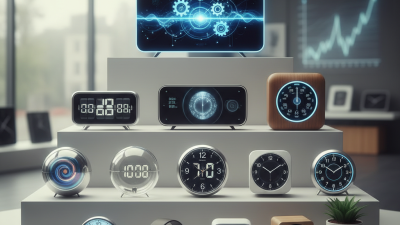
Why Choose a Digital Calendar Clock for Your Office Needs?
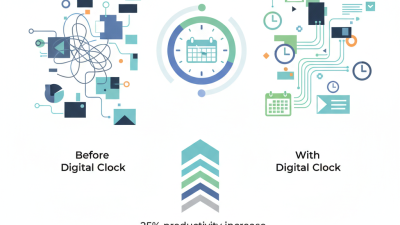
In today's fast-paced office environment, time management is crucial. A Digital Calendar Clock can significantly enhance productivity and organization. This device not only displays the time but also integrates a calendar. It helps employees stay aware of upcoming meetings and deadlines.
Choosing a Digital Calendar Clock offers practical benefits. Its clear display ensures everyone in the office can easily see the time and date. This promotes punctuality and reduces confusion about scheduling. However, some may find it less intuitive than traditional clocks. Adapting to new technology can pose challenges, especially for certain team members.
Additionally, the visual appeal of a Digital Calendar Clock should not be overlooked. Many designs complement modern office aesthetics. This adds a professional touch to the workspace. Yet, individuals must consider the overall functionality versus the cost. It’s essential to weigh these factors. A well-chosen Digital Calendar Clock can transform how an office operates, fostering a more organized and efficient work environment.
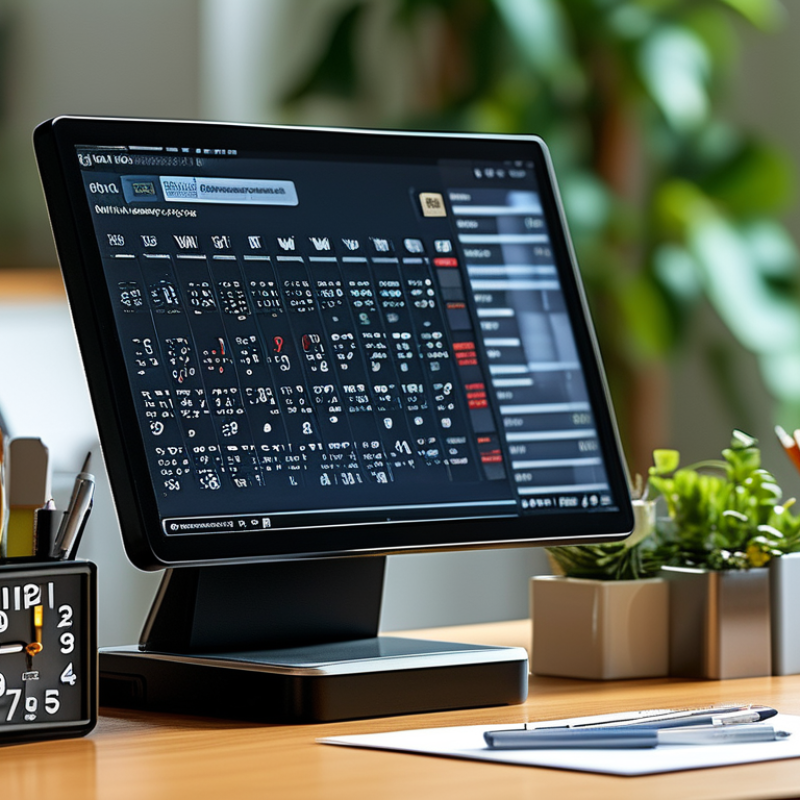
Benefits of Digital Calendar Clocks in Modern Office Environments
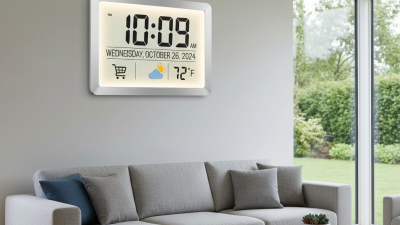
In modern office environments, digital calendar clocks bring numerous benefits. These devices not only display the time but also integrate a calendar for easy scheduling. With clear, large displays, employees can quickly check the time and upcoming appointments. This feature can help reduce missed meetings and enhance productivity.
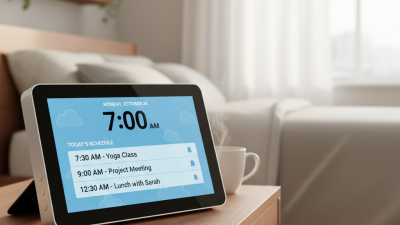
Digital calendar clocks can also be customized. Users can set multiple alarms for different tasks or events. This is especially useful in busy workplaces where workers juggle various responsibilities. Additionally, many models offer programmable settings, allowing personalization according to team needs. Such flexibility fosters a more efficient work atmosphere.
However, it's important to also consider potential downsides. Some employees may find constant reminders distracting. Others might struggle with adapting to new technology. There can be a learning curve, especially for those less tech-savvy. Balancing the use of digital clocks with traditional planning methods might provide the best results for some teams.
Impact of Time Management on Workplace Productivity and Efficiency
Effective time management is essential for improving workplace productivity and efficiency. A digital calendar clock can facilitate this by offering clear visibility of time. When employees can see the time, they can prioritize tasks better and reduce distractions. This clarity promotes a structured approach to work, leading to enhanced output.
One tip for maximizing productivity is to set specific time blocks for different tasks. For instance, dedicating uninterrupted 30-minute slots for focused work can yield better results. Additionally, regularly checking the digital clock helps employees stay on schedule. However, over-reliance on timers can also create pressure. It's important to find a balance that encourages productivity without inducing stress.
Another valuable suggestion is to incorporate reminders into the calendar clock system. This feature can alert employees about upcoming meetings or deadlines. Yet, it's crucial not to clutter the calendar with too many alerts. An overload of notifications can lead to frustration and decreased efficiency. Reflecting on how often reminders are truly needed can optimize their effectiveness.
Comparison of Digital Calendar Clocks vs. Traditional Timekeeping Methods
In an era where efficiency is paramount, the choice between digital calendar clocks and traditional timekeeping methods is crucial. Digital calendar clocks offer real-time updates, integrating time and date in one display. This feature allows employees to stay informed without flipping through paper calendars or clocking in on outdated wall clocks. Yet, some may find that digital devices can be distracting. Notifications and bright screens can divert attention from important tasks.
Traditional timekeeping methods have their charm. Wall clocks and paper calendars provide a tactile experience. They don't require batteries or electricity, ensuring functionality at all times. However, they often lack the immediacy of information. Important dates or reminders can be overlooked, leading to missed appointments. Some people feel a sense of nostalgia for these older methods, yet they can lead to inefficiencies in a fast-paced work environment.
Digital calendar clocks also allow for customization. Users can set alarms and reminders, tailoring the tool to their precise needs. On the flip side, reliance on technology means that a tech failure can disrupt schedules. A power outage or software crash can render digital clocks useless, unlike their traditional counterparts. Weighing these aspects is essential to finding the right balance for office needs.
Key Features to Look for in a Digital Calendar Clock for Offices
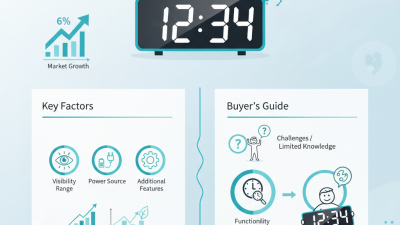
When selecting a digital calendar clock for office use, prioritize functionality. The most effective digital clocks offer a clear display. They should feature large, easy-to-read numbers. According to a study from the National Institute of Occupational Safety and Health, visibility issues increase workplace errors by 25%. A good digital calendar clock mitigates this risk.
Consider additional features like alarms and timers. Such functions enhance time management. A survey by the American Psychological Association revealed that structured time management improves productivity by up to 30%. Having a reliable reminder system within reach can significantly help employees stay on track. Many clocks include multiple alarms, which can be customized for different tasks.
Connectivity options are also key. Clocks that sync with digital calendars can streamline scheduling. Research from the Project Management Institute shows that 41% of teams report improved project timelines when using integrated tools. This seamless connection is vital for modern workplaces. Opt for a model that offers flexibility in features, adapting easily to the dynamic needs of an office.
Industry Statistics on Employee Engagement and Time Awareness Tools
In today’s fast-paced work environment, keeping employees engaged and aware of time is crucial. According to a Gallup report, organizations with high employee engagement can see a 21% increase in productivity. This highlights the need for effective tools to enhance time awareness in the workplace. A digital calendar clock can be an integral asset in fostering this engagement.
Research indicates that 59% of employees feel more productive when they have access to time management tools. A digital calendar clock not only displays the time but also syncs with schedules and deadlines. This reduces the likelihood of missed appointments or late arrivals, which can disrupt workflow. Though many companies invest in technology, the impact of simple tools is often overlooked.
Additionally, a study from the American Psychological Association found that over 50% of employees report feeling overwhelmed by time constraints. This stress can lead to burnout and decreased motivation. By implementing a digital calendar clock, businesses can provide a visual reminder of time management, encouraging employees to take breaks and stay focused. Balancing awareness and deadlines can lead to richer workplace experiences.
Why Choose a Digital Calendar Clock for Your Office Needs? - Industry Statistics on Employee Engagement and Time Awareness Tools
| Dimension |
Value |
| Employee Engagement Rate (%) |
78% |
| Increased Productivity with Time Awareness Tools (%) |
34% |
| Employees Using Digital Calendars (%) |
65% |
| Reduction in Time Spent on Scheduling (%) |
48% |
| Improvements in Meeting Attendance (%) |
29% |
| Increase in Employee Satisfaction (%) |
52% |