Why Choose a Digital Calendar Clock for Your Needs?
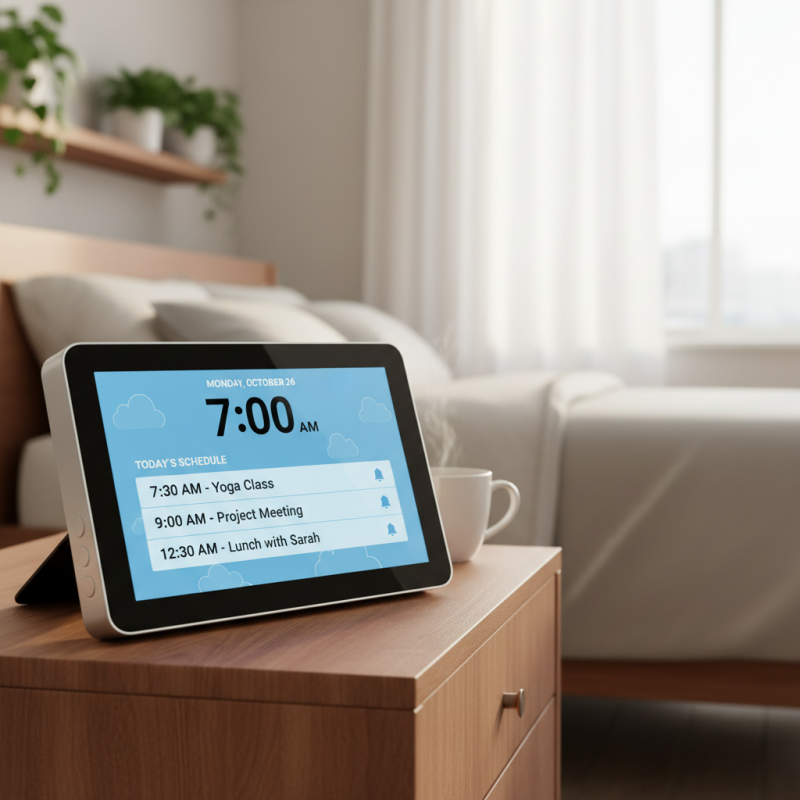
In our fast-paced world, managing time effectively is essential. A Digital Calendar Clock can be a game-changer for many. This device not only tells time but also helps organize your day. Imagine waking up to a clock that displays your schedule clearly.
The efficiency offered by a Digital Calendar Clock is remarkable. You can set reminders for important tasks. Visual cues can enhance your productivity. However, adapting to new tools takes time. Some may find the transition challenging.
It's crucial to weigh the benefits against potential frustrations. The clear display and functional features can help navigate daily routines. Yet, overreliance on technology may lead to shortcomings. A Digital Calendar Clock promises to be a reliable partner, but it is not a substitute for personal time management skills.
Benefits of Using a Digital Calendar Clock for Time Management
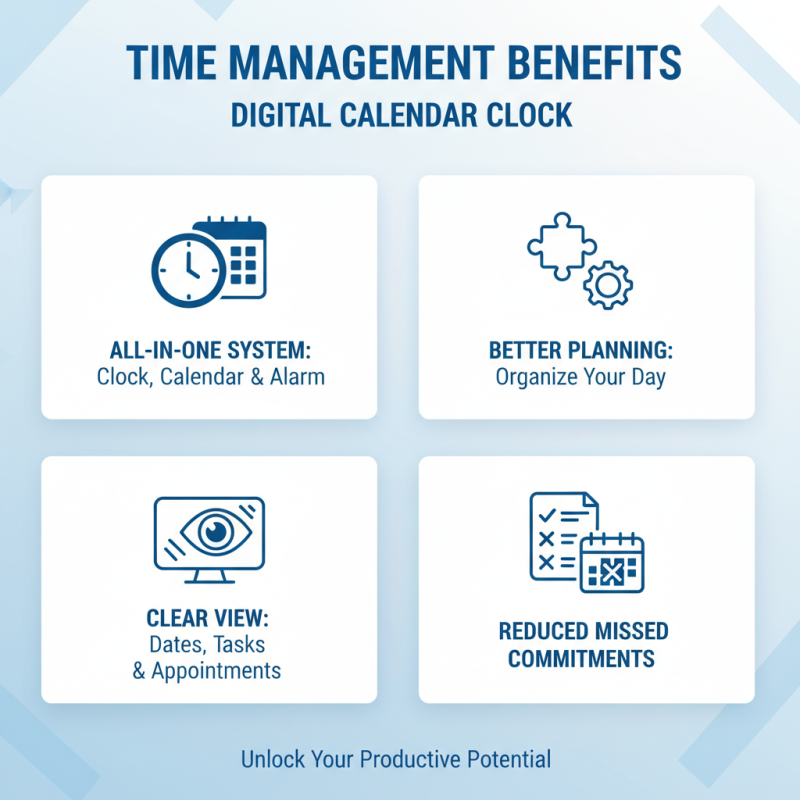
A digital calendar clock is a versatile tool for effective time management. It combines a clock, calendar, and alarm, providing you with a complete system to organize your day. With clear displays, it helps you keep track of important dates, tasks, and appointments. This integration allows for better planning and reduces the chances of forgetting crucial commitments.
Using a digital calendar clock brings structure to daily routines. You can set reminders that pop up at strategic times. These notifications can help prioritize tasks and manage deadlines. For instance, if you have a meeting at 3 PM, the alarm can alert you an hour earlier. However, be cautious. Too many reminders can cause stress and distractions. Finding the right balance is key.
Another advantage is customization. Many digital calendar clocks offer options to personalize settings. You can adjust the brightness or choose different display styles. This personalization makes it easier to interact with the device. Still, it's essential to stay aware of how much reliance you place on technology. It's easy to become overly dependent on digital tools for time management. Keeping a physical planner can also be beneficial for some moments.
Comparing Digital Calendar Clocks and Traditional Timekeeping Methods
Digital calendar clocks offer a remarkable advantage over traditional timekeeping methods. They blend time-telling with essential date features. Unlike analog clocks, digital versions display clear, bold numbers. This makes it easier to read at a glance, reducing any strain on your eyes. Many people can struggle with tiny markings and hands of traditional clocks.
Furthermore, digital calendar clocks often include multiple functions. They can remind you of important dates and appointments. This added feature simplifies organization. Still, some users may find themselves relying too heavily on technology, which can hinder their ability to manage tasks without a device.
On the other hand, traditional clocks have their own nostalgic charm. They appeal to those who appreciate craftsmanship. Some people feel more connected to time without digital distractions. The ticking sound can create a soothing atmosphere.
However, analog clocks lack the versatility and clarity found in digital ones. This contrast reveals a trade-off between functionality and tradition. Each method has its unique merits, and it’s essential to evaluate personal preferences and needs.
Key Features to Look for in a Digital Calendar Clock
When selecting a digital calendar clock, consider features that enhance functionality. One essential feature is a large, clear display. This aids visibility, especially for those with visual impairments. Look for models that offer adjustable brightness settings. A screen that is too bright can strain your eyes, while a dim screen can be hard to read in low light.
Another key aspect to assess is the alarm functionality. Many digital calendar clocks come with multiple alarms. This is particularly beneficial for individuals who take medication or have varying schedules each day. Choose a clock with customizable snooze options. A snooze feature that lasts too long can lead to procrastination. Additionally, ensure that the clock is user-friendly. Complicated settings can lead to frustration and mishaps.
Lastly, consider the calendar integration. A good digital clock should allow you to view upcoming events directly on the display. This integration reduces the need to check your phone constantly. However, some users may find too many features overwhelming. It might lead to confusion in managing daily tasks. Balance is key, so identify what truly meets your needs.
Why Choose a Digital Calendar Clock for Your Needs? - Key Features to Look for in a Digital Calendar Clock
| Feature |
Description |
Importance |
User Benefit |
| Large Display |
Easy-to-read digits for visibility |
High |
Convenient for elderly or visually impaired users |
| Multiple Time Zones |
Displays time for different regions |
Medium |
Useful for frequent travelers and remote teams |
| Calendar Integration |
Shows date and important events |
High |
Helps with planning and reminders |
| Alarm Functionality |
Ability to set alarms for various activities |
High |
Enhances time management and task completion |
| Snooze Option |
Gives extra minutes of sleep before alarm |
Medium |
Provides flexibility in morning routines |
| Battery Backup |
Power outage protection |
High |
Ensures timekeeping continuity |
| User-Friendly Interface |
Simple and intuitive controls |
High |
Easy setup and operation for all ages |
How Digital Calendar Clocks Enhance Daily Productivity
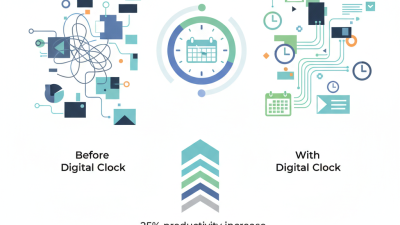
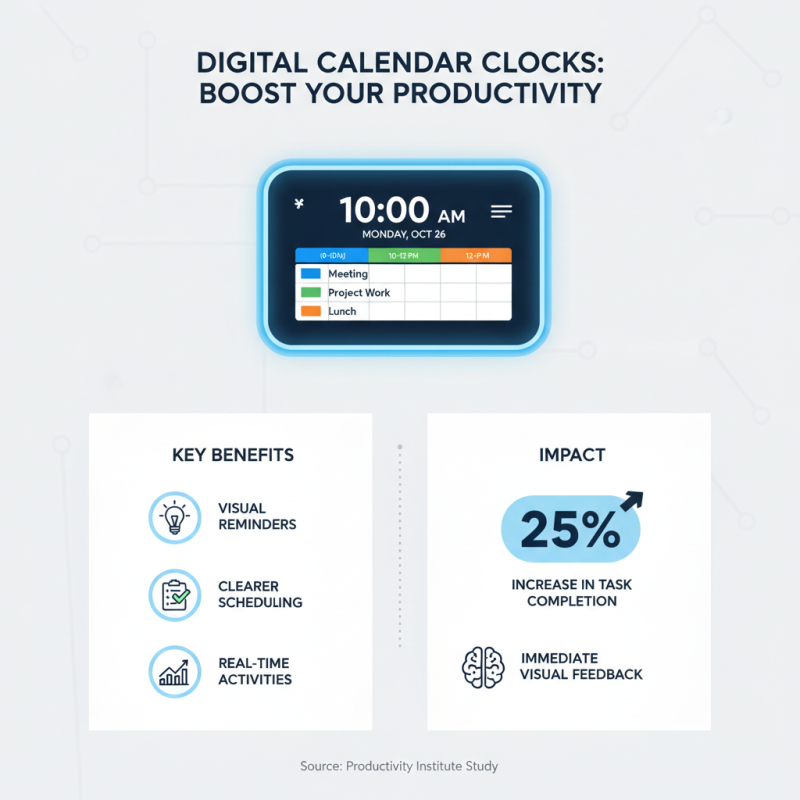
Digital calendar clocks serve as efficient tools that can significantly enhance daily productivity. According to a recent study by the Productivity Institute, individuals using digital calendar clocks report a 25% increase in task completion rates. This improvement stems from visual reminders and clearer scheduling. By displaying real-time activities, users can quickly assess their priorities. This immediate visual feedback aids in managing time more efficiently.
Moreover, research from the Time Management Association indicates that effective time management can lead to a 40% reduction in stress levels. Digital calendar clocks facilitate this by providing prompts for upcoming tasks. Users may notice fewer instances of forgetting important appointments or deadlines. However, there’s a notable downside; over-reliance on automated reminders could lead to a lack of self-regulation. The balance between digital aids and personal discipline remains crucial.
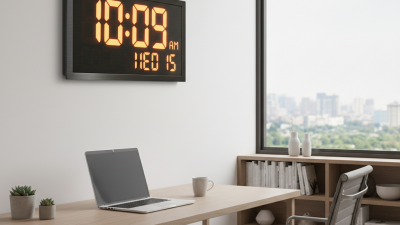
Incorporating digital clocks in workspaces or homes encourages better organization. According to the International Journal of Productivity, a structured environment leads to a 30% enhancement in focus. The bright displays and unique features of digital calendar clocks can create an engaging atmosphere. Yet, it’s essential to avoid distractions from notifications. Users should periodically evaluate their dependence on these devices to ensure they are genuinely enhancing productivity, not hindering it.
Tips for Selecting the Right Digital Calendar Clock for Your Space
Choosing the right digital calendar clock can significantly enhance your daily routine. When selecting one for your space, consider the following tips to find the perfect fit.
First, evaluate the size. A clock too big can overwhelm a small room, while a tiny clock may be hard to read from a distance. Measure your available space before you shop. Next, think about the display. Some clocks have bright screens that are easy to read during the day but may be too glaring at night. A dimmable display could be ideal for your bedroom.
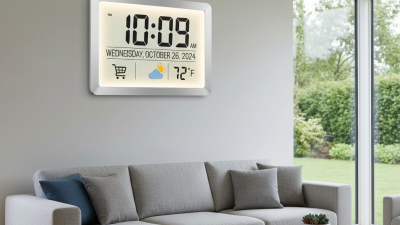
Also, check the features. Some digital calendar clocks include additional functions like weather updates, alarms, and even reminders. Decide which features are essential for you. Too many functions can complicate the user experience. Finally, consider the design. A sleek, modern look might fit well in a contemporary space, while a more traditional design could suit classic decor better. Reflect on what style resonates with you.