Understanding the Alzheimer Clock How to Recognize Early Symptoms and Manage Care
As we delve into the intricacies of cognitive decline, the concept of the "Alzheimer Clock" emerges as a vital marker in understanding the early symptoms of Alzheimer’s disease. This metaphorical clock represents the ticking timeline of changes that may indicate the onset of Alzheimer’s, encouraging both individuals and caregivers to recognize subtle cognitive shifts that could be significant. By becoming attuned to these early warning signs, one can navigate the complex landscape of Alzheimer's with greater awareness and preparedness.
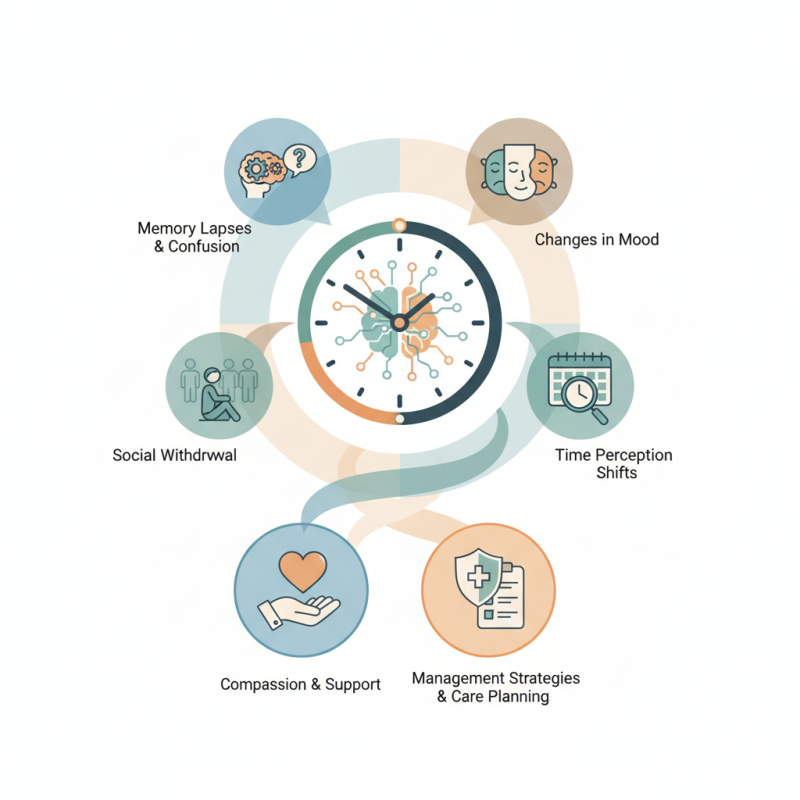
The journey through Alzheimer's care can be daunting, yet recognizing the early symptoms associated with the Alzheimer Clock can empower families and caregivers to take proactive steps. From memory lapses and confusion to changes in mood and social withdrawal, understanding these signals can be crucial for timely intervention and support. This not only aids in enhancing the quality of care but also fosters a more informed dialogue about the disease, paving the way for compassion and effective management strategies.
In this exploration, we will discuss the key indicators of the Alzheimer Clock, providing insights on how to identify them and the essential approaches to managing care for those affected. By equipping ourselves with knowledge, we can better support our loved ones during this challenging journey, ultimately striving to preserve their dignity and enhance their quality of life.
Identifying Early Symptoms of Alzheimer's Disease
Recognizing early symptoms of Alzheimer’s disease is crucial for timely intervention and care planning.
Common early signs often include memory loss, particularly forgetting recent events or conversations, difficulties in performing familiar tasks, and challenges in planning or solving problems.
Individuals may also experience changes in mood or personality, exhibiting increased anxiety or confusion.
Family members may notice that their loved ones are repeating questions or getting lost in familiar places, which can be distressing for both the individual and their caregivers.
Tips:
To assist in early detection, keep a journal of changes in the loved one’s behavior and memory.
Documenting these changes can provide valuable insights for healthcare professionals.
Encourage open communication about any concerns you have, as early diagnosis can lead to better management of the disease.
It's important to create a supportive environment that encourages independence while ensuring safety.
This can involve setting up routines and using reminders or calendars to help the individual stay oriented.
Engaging in cognitive activities, such as puzzles or memory games, can also be beneficial.
Regular social interaction and physical activity can further enhance well-being and possibly delay the progression of symptoms.
Understanding the Stages of Alzheimer's Progression
Alzheimer's disease progresses through several stages, each characterized by specific symptoms and challenges. The initial stage, often referred to as mild cognitive impairment (MCI), typically includes minor memory lapses and cognitive difficulties that may easily be overlooked or attributed to normal aging. According to the Alzheimer's Association 2023 report, approximately 15-20% of individuals aged 65 and older experience MCI, which can be an early indicator of Alzheimer's and related dementias.
As the disease advances to the moderate stage, individuals may exhibit more pronounced memory loss, confusion, and difficulty performing routine tasks. This phase can significantly impact daily living activities, as patients may struggle to recognize loved ones or find familiar places. A study published in JAMA Neurology indicates that nearly 50% of people diagnosed with Alzheimer's will experience these moderate symptoms within 2 to 4 years of the initial diagnosis. Caregivers need to develop a comprehensive care plan that accommodates these changes, ensuring safety and maintaining quality of life.
In the final stages of Alzheimer's, often described as severe, individuals may lose the ability to communicate, require round-the-clock care, and become dependent on others for basic activities. The 2023 Alzheimer's Disease Facts and Figures report highlights that about 30% of those with Alzheimer's reside in long-term care facilities during this stage. Understanding these stages of progression not only assists caregivers in providing necessary support but also helps families prepare for the inevitable changes involved in managing this complex disease.
Effective Communication Strategies with Alzheimer's Patients
Effective communication is crucial when caring for individuals with Alzheimer's disease. As the disease progresses, it can severely affect a person's ability to communicate and comprehend information. According to the Alzheimer's Association, by 2023, over 6 million Americans aged 65 and older are living with Alzheimer’s, and early intervention focusing on communication strategies can profoundly enhance their quality of life. One effective approach is to use clear, simple language, and avoid complex sentences that may confuse the patient. Using non-verbal cues, such as gestures and facial expressions, can also help convey messages more effectively, bridging the gap that cognitive decline creates.
Additionally, it’s vital to be patient and allow individuals with Alzheimer's sufficient time to process information and respond. Research suggests that maintaining a calm demeanor and offering reassurance can reduce feelings of anxiety or frustration. A study published in the Journal of Alzheimer's Disease highlights that caregivers who adopt supportive communication techniques can significantly improve the emotional well-being and cognitive function of their loved ones. Establishing a routine for conversations, such as discussing familiar topics or reminiscing about past experiences, can also foster connection and enhance engagement. Ultimately, these strategies not only aid in better communication but also strengthen the bond between caregivers and those affected by Alzheimer's disease.
Understanding the Alzheimer Clock: How to Recognize Early Symptoms and Manage Care
| Symptom |
Description |
Effective Communication Strategy |
| Memory Loss |
Forgetting recent events or conversations. |
Use memory aids like notes and pictures. |
| Difficulty in Performing Familiar Tasks |
Struggling with routine activities such as cooking or using a phone. |
Encourage step-by-step assistance and repetition. |
| Disorientation |
Confusion about time, place, and people. |
Provide a calm environment with familiar objects. |
| Speech and Language Problems |
Difficulty following or joining conversations. |
Use simple sentences and speak slowly. |
| Changes in Mood and Personality |
Increased anxiety, confusion, or depression. |
Be patient and provide emotional support. |
Managing Daily Care and Support for Alzheimer's Caregivers
Caring for a loved one with Alzheimer's disease requires immense patience, understanding, and a well-structured approach. Caregivers play a vital role in providing daily support, and recognizing their own needs is essential to ensure effective care for the person with Alzheimer's. One of the first steps in managing daily care is creating a routine that helps both the caregiver and the individual with Alzheimer's feel secure and comfortable.
Consistency can reduce anxiety and confusion for the patient, making it easier to navigate daily tasks.
Moreover, caregivers need to prioritize their own well-being. Engaging in regular self-care, seeking support groups, and connecting with other caregivers can significantly alleviate feelings of isolation and stress. Developing strong communication strategies is also crucial; using simple language and maintaining a calm demeanor can help facilitate better interactions.
By understanding the unique challenges that come with Alzheimer's care, caregivers can foster a more supportive environment that nurtures both their loved ones and themselves.
Resources and Support Networks for Alzheimer's Care Management
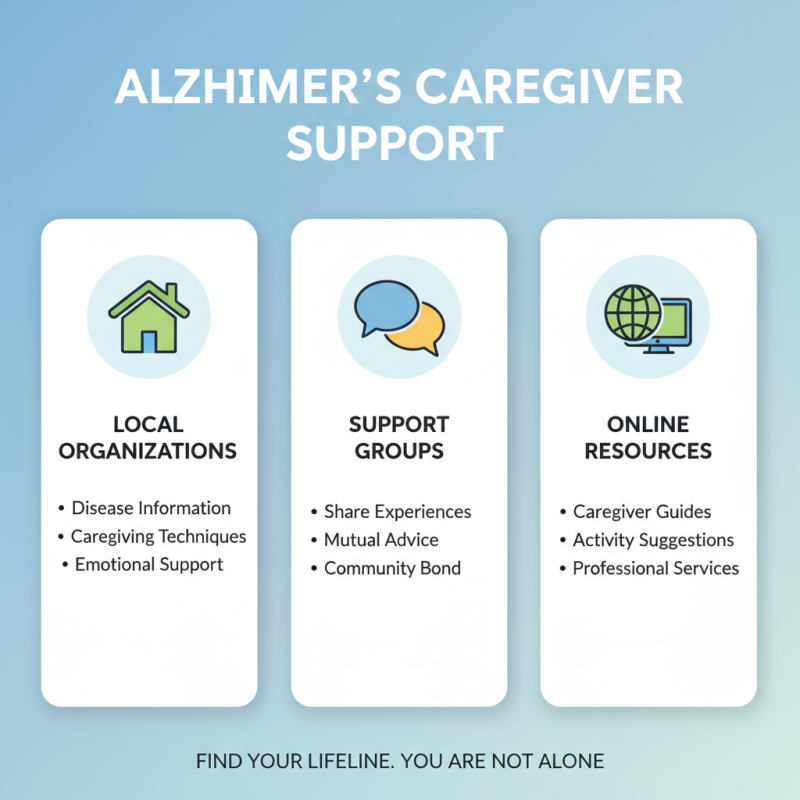
When caring for someone with Alzheimer's, having access to resources and support networks can make a significant difference. Local organizations often provide essential information about the disease, caregiving techniques, and emotional support for families. Joining a support group can facilitate sharing experiences and advice, creating a sense of community, which is crucial for handling the emotional burdens of caregiving. Websites dedicated to Alzheimer’s awareness often offer comprehensive resources, including caregiver guides, activity suggestions, and links to professional services.
Tips: It’s helpful to connect with local Alzheimer’s associations or community health services to find resources tailored to your specific needs. Additionally, establishing a routine can provide structure for both the caregiver and the person with Alzheimer's, promoting a sense of stability and comfort.
Furthermore, online platforms can serve as valuable tools for finding support networks. They may host forums or social media groups that focus on sharing coping strategies and caregiving tips, allowing caregivers to learn from one another’s challenges and successes. Remember to balance care responsibilities with self-care; seeking help for personal well-being is vital to maintaining the energy and patience needed for effective caregiving.