Top 10 Elderly Clocks for Seniors What to Look For?
Choosing an appropriate elderly clock for seniors requires careful consideration. These clocks play a vital role in enhancing daily life. The right clock should display clear numbers and have an easy-to-read interface. Many seniors struggle with limited vision, making visibility crucial.
There is more than just aesthetics to consider. Features like alarms, date displays, and simple controls are essential. An elderly clock should be intuitive, ensuring seniors can use it without frustration. Often, a complicated design can lead to confusion. Evaluating different options can help identify what works best for individual needs.
Safety and reliability should also be priorities. A clock that can function without frequent battery changes is ideal. Seniors benefit from dependable products that they can trust. Ultimately, finding the perfect elderly clock involves understanding personal preferences and sensibilities. Balance between functionality and ease of use is crucial. It’s worth spending time assessing various features to make the best choice.
Understanding the Needs of Seniors When Choosing a Clock
When selecting a clock for seniors, understanding their specific needs is vital. Many elderly individuals face visual challenges. Large, clear numerals can help them read the time easily. Bright color contrasts, such as black numbers on a white background, ensure visibility. Simplicity is key. Clocks with minimal features prevent confusion.
Another important factor is audibility. Seniors may have hearing difficulties. Clocks with an alarm that has adjustable volume are beneficial. Some may prefer a gentle chime or vibration instead of a loud beep. The ease of use is essential too. A clock with simple mechanics can reduce frustration.
Weight and portability are often overlooked. Some seniors may want a clock that is lightweight for easy relocation. Lastly, consider the mounting options. Wall-mounted or tabletop designs should be chosen based on individual preferences. These choices reflect their lifestyle and comfort. Making the right clock choice can enhance daily living for seniors.
Key Features to Consider for Elderly-Friendly Clocks
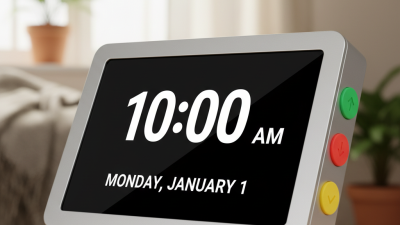
When selecting a clock for seniors, several key features enhance usability and comfort. A large, easy-to-read display is essential. Clear numbers help seniors quickly identify the time. Opt for digital displays, as they often offer higher contrast and visibility compared to analog ones. Also, consider clocks with backlighting. This feature allows the time to be visible in low-light conditions.
Another crucial aspect is simplicity. Many elderly individuals may struggle with complex settings. Choose clocks with minimal buttons and straightforward operations. Voice announcements can be beneficial, providing auditory cues without the need for manual adjustments. Additionally, clocks that emphasize clarity in design tend to be more comforting. Clocks with calming colors and simple shapes can reduce anxiety.
Lastly, consider clocks with added functions. Some models include alarms or reminders for medication. However, too many features can overwhelm. Striking a balance between helpful functions and simplicity is vital. Observe how the user interacts with the clock. This can reveal what adjustments or features may need enhancement.
Types of Clocks Best Suited for Seniors
When choosing clocks suited for seniors, various types can enhance readability and usability. Traditional analog clocks remain popular due to their clear, large numbers. They provide an easy-to-understand display, making it simpler for seniors to tell time. However, digital clocks with bold characters are increasingly favored. These clocks offer bright LED displays and often incorporate features like alarms, which can help seniors manage their daily routines effectively.
Wall clocks with large faces and contrasting colors are ideal. They reduce eye strain and enhance visibility. Furthermore, consider clocks that announce the time aloud. This feature is particularly beneficial for those with limited eyesight. According to a study from the National Eye Institute, over 2.7 million Americans aged 65 and older experience vision impairment, highlighting the need for accessible devices.
Tips: Look for clocks with simple functions. Clocks that only show time may be sufficient for many seniors. Additionally, choose models with easy-to-set features. This prevents frustration when adjusting settings. Remember, the goal is to make timekeeping effortless and enjoyable for seniors.
Aesthetic and Functional Design Elements in Clocks
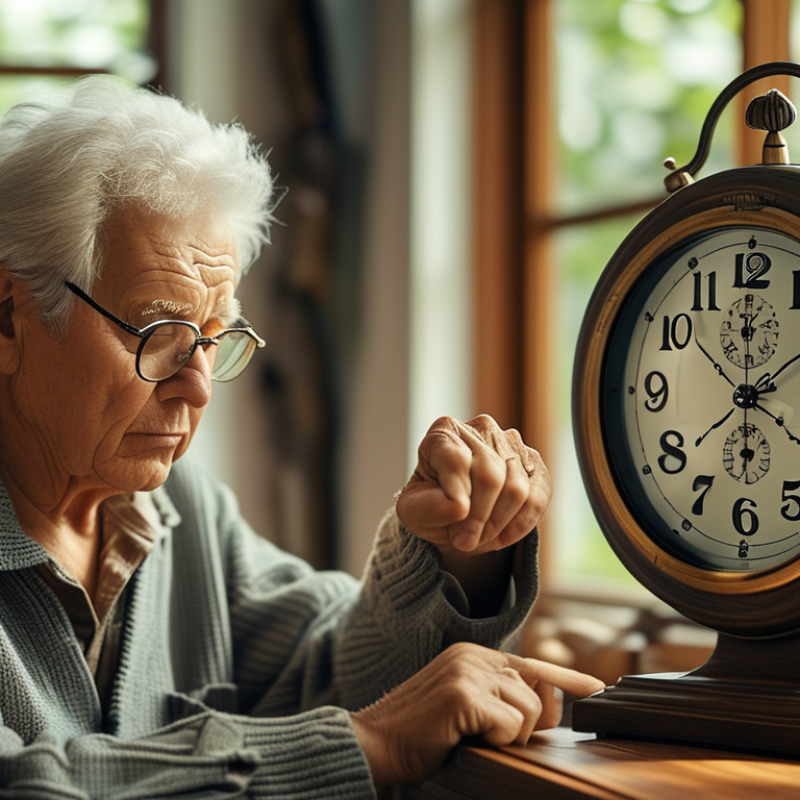
When selecting clocks for seniors, both aesthetic and functional aspects are crucial. A clock should not only tell time but also fit well into the home’s decor. Warm colors and clear fonts enhance visibility and add a welcoming touch. Look for designs that blend seamlessly with different styles. For instance, vintage-inspired clocks can evoke nostalgia while modern designs offer sleek elegance.
Functionality is equally vital. Clocks should feature large numbers to ensure readability. Backlit options help in low-light conditions, making it easier for seniors to see at night. Some clocks also have additional features like alarms with gradual volume increase. This can reduce morning anxiety by easing the wake-up process. Considerations such as weight and ease of use should also be taken into account. Many clocks are lightweight yet sturdy, enabling easy movement without risking falls.
Incorporating elements like contrast and simplicity can make a significant difference. Clocks with fewer distractions are preferable. Reflect on the emotional aspects, too. A clock that resonates personally can have a comforting effect. Seniors appreciate reminders of past experiences. A well-chosen clock can be a symbol of time well spent, enhancing the quality of daily life.
Top Recommendations for Elderly Clocks on the Market
When choosing clocks for seniors, clarity is crucial. Look for large, easy-to-read digits. A clock with contrasting colors enhances visibility. Digital options often display the time prominently, making it easier for those with diminished eyesight. Analog clocks with clear hour and minute hands can also be beneficial.
Consider additional features that promote usability. Some clocks offer alarm settings or reminders. This can help seniors keep track of medication times or important appointments. Clocks with backlighting or night-time modes can provide comfort during the night. Sound options, like ticking or soft chimes, add a personal touch.
Be aware of the design style. Some seniors may prefer a timeless, classic look while others enjoy modern aesthetics. Look for clocks that match individual tastes. It's essential to balance function and style. Reflect on how different features may meet the specific needs of your loved ones.
Top 10 Elderly Clocks for Seniors - Features Comparison
This chart illustrates the importance ratings for various features of elderly clocks. Large numbers and a clear display are rated the highest, making them essential for senior users. Other features such as alarm functions and night lights also play a significant role in usability.