Why Every Child Needs a Kids Clock for Better Time Management?
In today’s fast-paced world, teaching children effective time management is crucial. Dr. Emily Johnson, a child development expert, emphasizes, “A Kids Clock can transform how children understand time.” This tool not only helps children learn the concept of time but also encourages independence and responsibility.
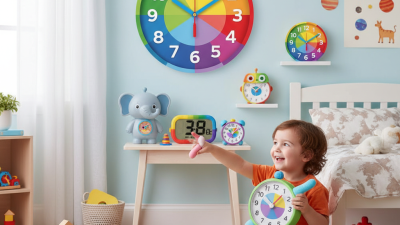
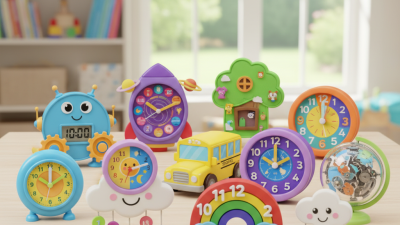
A Kids Clock is designed with vibrant colors and engaging visuals. It captures kids' attention while making time management fun. Children can see hours and minutes clearly, helping them grasp the passing of time. Yet, many parents overlook the benefits of using such tools. They may think children will learn time management on their own. However, without proper guidance, kids can struggle to grasp these skills.
Many families experience chaotic mornings and rushed evenings. A Kids Clock can alleviate this stress. It provides a visual reminder for tasks, such as getting ready for school or winding down for bed. It’s a small investment that can have a significant impact. Introducing a Kids Clock into daily routines can pave the way for better time habits that last a lifetime.
The Importance of Teaching Time Management Skills to Children
Teaching time management skills to children is crucial for their development. Research shows that kids who learn to manage their time effectively perform better academically. According to a report from the National Association of School Psychologists, children who develop these skills early are more likely to succeed in high school and beyond. They become more independent and confident, ready to tackle future challenges.
Parents can play a significant role in this process. Involving children in planning their daily activities helps them understand time's value. For instance, setting specific goals for homework or chores with time limits encourages focus. Studies reveal that children with structured routines report lower stress levels. They also develop self-discipline, which is essential in today’s fast-paced world.
However, not all children grasp time management easily. Some may struggle with procrastination or overwhelm from too many tasks. Observing these challenges allows parents to adjust their teaching methods. It’s vital to recognize that every child is unique in their learning journey. Enhancing time management skills can take time and patience, but it ultimately fosters a sense of responsibility and belonging.
Why Every Child Needs a Kids Clock for Better Time Management? - The Importance of Teaching Time Management Skills to Children
| Aspect |
Description |
Benefits |
| Understanding Time |
Kids clocks help children grasp the concept of time through visual aids. |
Improved awareness of time helps children to plan their activities effectively. |
| Routine Development |
Encourages children to establish daily routines and stick to them. |
Creating a sense of stability and predictability in their day. |
| Time Management Skills |
Helps in teaching children prioritization and scheduling. |
Effective time management skills lead to improved academic performance. |
| Independence |
Encourages self-reliance as children learn to manage their own time. |
Builds confidence and responsibility in managing tasks. |
| Fun Learning |
Interactive clocks with colors and sounds make learning fun. |
Engages children positively towards learning time management. |
How Kids Clocks Enhance Children's Understanding of Time
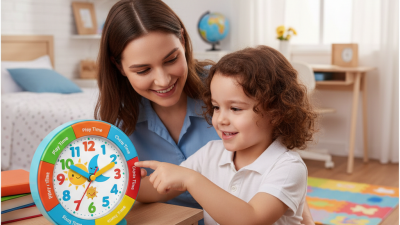
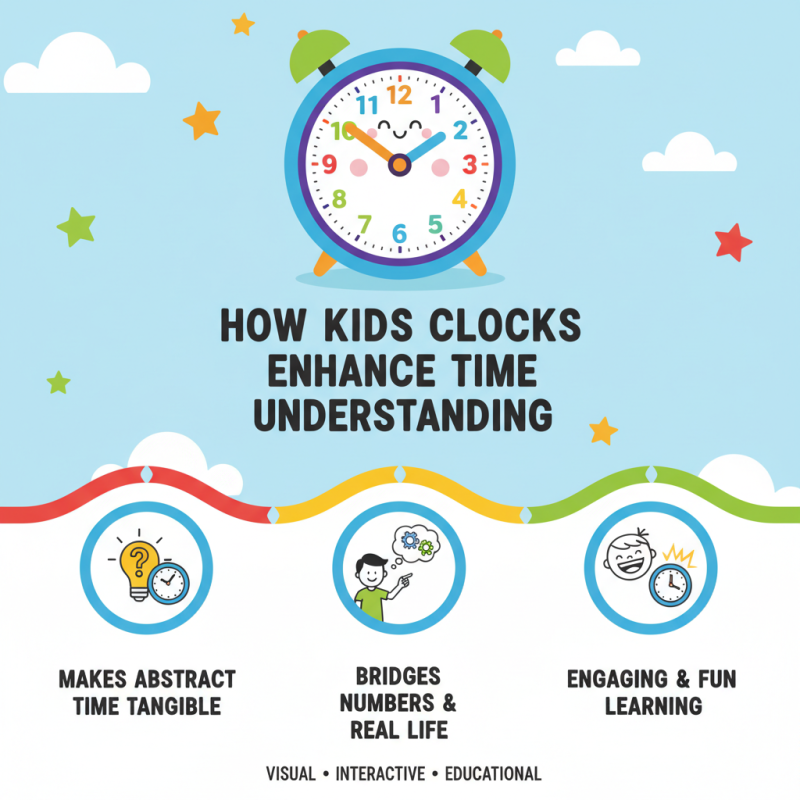
Understanding time can be a challenging concept for children. A kids clock serves as more than just a decorative piece in a room. It acts as a tangible tool that bridges the gap between numbers and real-life applications. With bright colors and clear visuals, children are naturally drawn to these clocks. They often find joy in learning to tell time in an engaging way.
When children see how the hands move with each passing minute, it helps them grasp the concept of time passing. They can associate specific daily activities with certain times on the clock. For instance, seeing the clock reach 8:00 can signify bedtime. Such associations create a structured environment. This reinforces their routines and lessens anxiety around time management.
However, not every child learns at the same pace. Some might struggle with the concept initially. It's important for parents to be patient and encouraging. A child may not understand why time is important right away. Frequent discussions about daily schedules can assist them in recognizing patterns. Over time, with consistent exposure, kids clocks can cultivate a deeper understanding of time and its role in their lives. The road to mastering time is often filled with small hurdles, but the benefits are profound.
Research Findings on Time Awareness and Academic Performance in Kids
Time awareness plays a crucial role in children's academic performance. Recent studies suggest that children who have a better grasp of time manage their tasks more effectively. When kids understand how to allocate time for various activities, their focus improves. This leads to better grades and reduced stress during homework sessions.
Kids clocks, specifically designed for young learners, can enhance this awareness. These clocks use visual cues to show how much time is left for specific tasks. By displaying time in a way that is easy to understand, children learn to associate time with their daily routines. This can help them develop a sense of responsibility. Small achievements, like completing homework on time, can boost their confidence.
Despite these benefits, some parents may overlook the importance of teaching time management skills. It's common to assume that children will naturally learn these skills through experience. However, without a structured approach, kids may struggle to keep track of time. They might find themselves overwhelmed by deadlines. Encouraging the use of tools like a kids clock can create a more systematic learning environment, ultimately fostering better habits for the future.
The Role of Visual Aids in Improving Time Management for Young Learners
Visual aids are crucial for enhancing time management in young learners. A study by the American Association of Pediatrics found that children learn better when they can see concepts presented visually. For instance, a colorful kids clock provides a tangible representation of time. It transforms an abstract idea into something concrete. This method resonates well with children, making it easier for them to grasp the concept of time.
Effective visual tools foster a proactive approach to time management. Children can associate specific colors and shapes with different activities. By doing this, they become more aware of their daily schedules. Research indicates that nearly 70% of students improve their time management skills when using visual aids. A kids clock can serve as a daily reminder, helping children allocate time for their homework, play, and family activities.
However, it's essential to ensure these tools are used correctly. Over-reliance on gadgets can lead to confusion. Parents should guide their children in interpreting the information these clocks present. This approach bridges the gap between visual learning and practical application. With the right guidance, a kids clock can truly enhance a child’s understanding of time management.
Strategies for Incorporating Kids Clocks into Daily Routines for Better Time Skills
Incorporating a kids clock into daily routines can significantly enhance a child's time management skills. Visual cues help children understand time better. They can see when it's time for homework, play, or bedtime. This creates a structured environment that fosters responsibility. A routine helps eliminate procrastination, encouraging children to complete tasks on time.
Tips for integrating a kids clock effectively include establishing specific time slots for activities. For example, parents could designate “homework” from 4 to 5 PM every day. Use a simple clock design that children find engaging. Color-coded sections can represent different activities. This visual differentiation helps reinforce the concept of time.
Additionally, encourage children to set timers for tasks. This can make transitions easier and improve focus. Kids can learn to plan their day better by starting with short intervals. You might reflect on this: Did your child struggle with transitions? Using a kids clock could be the missing piece. Remember, progress may not be linear, but these strategies can lead to improvement over time.
Impact of Kids Clocks on Time Management Skills
This chart illustrates the percentage improvement in time management skills for children incorporating a kids clock into various daily routines. It highlights notable growth in structured activities such as morning routines, study time, playtime, dinner preparation, and bedtime, emphasizing the importance of utilizing visual aids for better time management.