10 Essential Tips for Choosing the Best Kids Clock for Learning Time
Choosing the right kids clock can be a fun yet challenging task. A well-designed clock can enhance learning and help children grasp the concept of time. It’s essential to find a clock that suits both the child’s age and learning style.
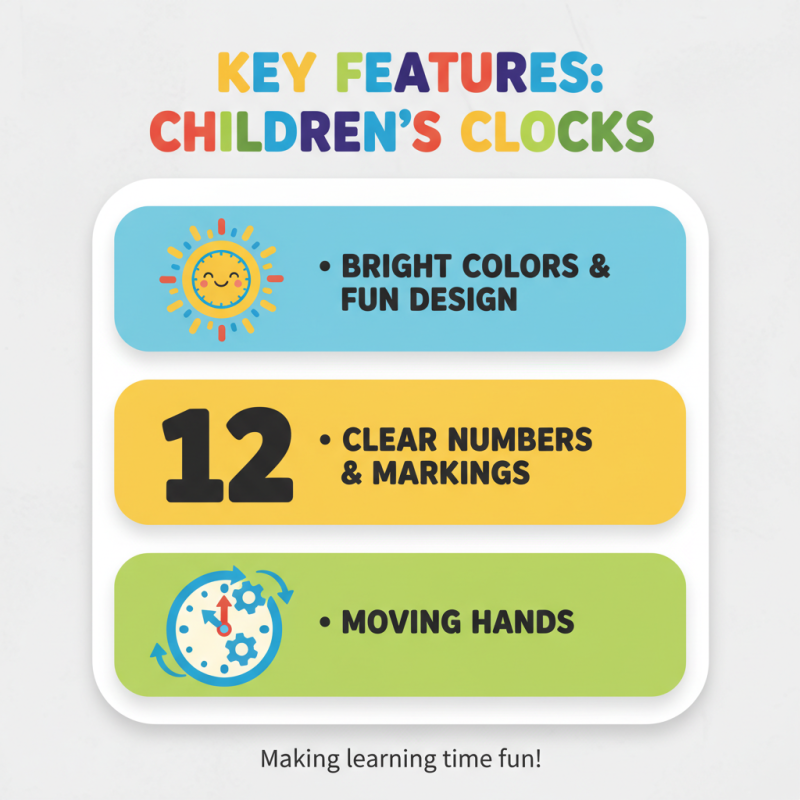
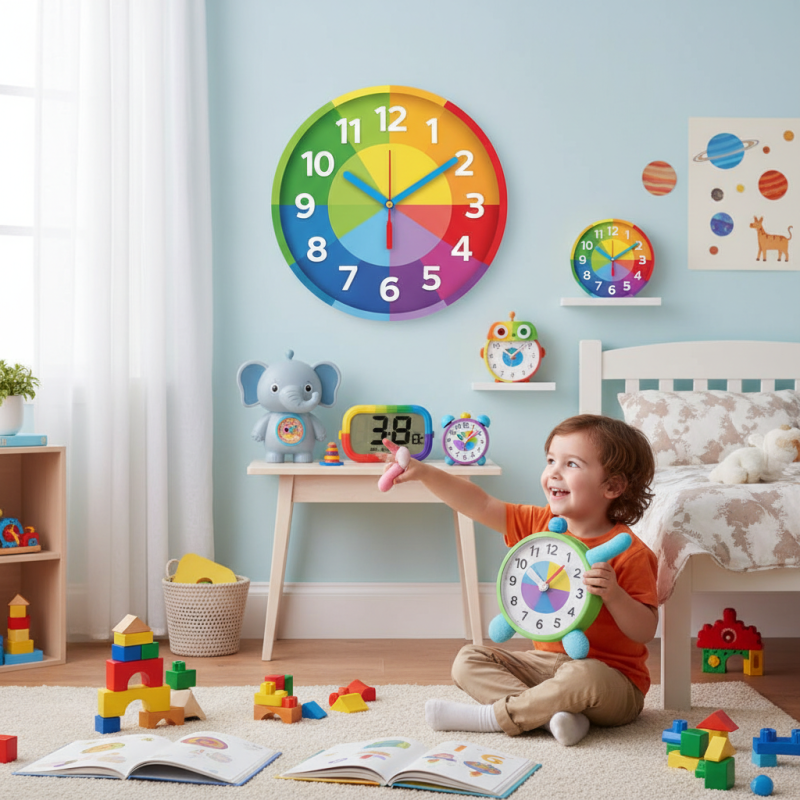
Consider the colorful designs available. Many kids clocks feature bright colors and unique shapes, capturing children's attention. Look for engaging designs that spark curiosity. A visual cue can significantly aid their understanding of time. However, not every eye-catching clock serves an educational purpose. Some may be more decorative than functional.
Interactive features can make learning time a playful experience. Clocks with moving hands or sound effects can encourage children to engage. Still, be cautious; these features can sometimes distract from learning. It's vital to strike a balance between fun and practicality when selecting a kids clock. In the end, the goal is to make learning time enjoyable and effective.
Understanding the Importance of Teaching Time to Kids
Teaching kids how to tell time is more than just a skill; it builds confidence. When children learn to read clocks, they gain independence. Understanding time helps them manage their day, from waking up to getting dressed. It can be frustrating. They might struggle at first, but practice makes perfect.
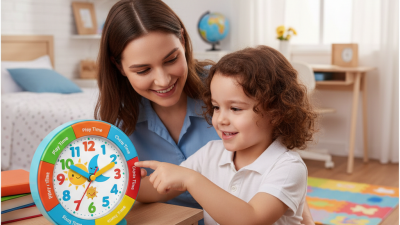
Having a kids clock with visual aids can help. Bright colors and fun designs attract their attention. A digital display may be easier for some, while an analog clock offers a hands-on experience. Encourage children to point out the hour and minute hands. Celebrate their small victories along the way. It’s essential to be patient. Mistakes are part of learning.
Every child learns at their own pace. Some may grasp time quickly, while others need more encouragement. It’s important to remember that everyone makes errors. Use these moments to teach rather than criticize. Learning time empowers kids. They feel accomplished as they master this essential life skill. Embrace the journey together.
Different Types of Kids Clocks and Their Functions
When selecting a kids clock, it's essential to understand the different types available. Digital clocks are popular for young learners. They often display time in a clear format. Some models include fun animations or sounds, which can enhance engagement. However, they may lack an analog feature, leaving some children confused about traditional time-telling.
Analog clocks offer a different learning experience. These clocks feature hands that move in real-time. They help kids visualize the passage of time. Some designs use colors or shapes to simplify learning. However, kids may find it challenging to grasp the concept initially. It's not uncommon for them to mix up the hour and minute hands.
Hybrid clocks combine both analog and digital displays. These versatile options can address various learning styles. They provide a clear visual while reinforcing traditional time-telling skills. Yet, the complexity might overwhelm some. Parents should consider their child's learning pace too. Finding the right clock can be a fun but challenging journey in teaching kids time.
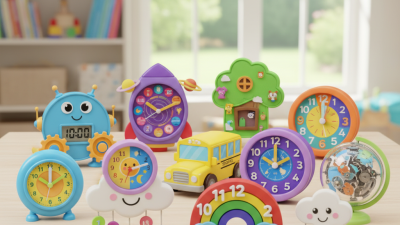
Popular Types of Kids Clocks and Their Features
How to Match a Clock's Design with Your Child's Interests
When choosing a kids clock, design is crucial. A clock that reflects your child's interests can motivate them to learn time. Look for vibrant colors or fun shapes. For instance, a clock shaped like a cartoon character may catch their eye. This excitement can make learning feel like a game rather than a chore.
Don't forget about the numbers! Some clocks have numbers in unique fonts or styles. This can be a distraction or a teaching tool. A playful design can attract attention but may confuse little learners. Consider how your child reacts to different designs. Do they engage more with animals or space themes?
It's essential to balance aesthetics and functionality. A beautiful clock is useless if it confuses your child. Test different designs together. Some may seem perfect but lack clarity. Pay attention to the colors and layout. Bright colors can enhance enthusiasm, yet too many can overwhelm. Reflect on your choices and be open to change.
Tips for Engaging Kids in Learning to Tell Time with Their Clock
Teaching kids to tell time can be a fun journey. A well-chosen kids' clock is essential to engage them. According to a study by the Educational Foundations Association, children learn best through visual and tactile experiences. Clocks that offer colors or unique designs can capture a child’s attention.
When selecting a clock, consider interactive features. Clocks with moving hands or sound effects can stimulate curiosity. Kids love to touch and manipulate things. This hands-on approach helps improve their understanding. For example, a clock that highlights hours or minutes can reinforce time concepts effectively.
Incorporate storytelling into learning. Use scenarios that involve time. Ask, "When will lunchtime be?" Or "What time do we play outside?" These questions help children connect time with their daily routines. A playful approach can make telling time feel less daunting. Remember, the process can be imperfect. Patience is key, and every child learns at their own pace. This journey of understanding can be as enjoyable as checking the time itself.
10 Essential Tips for Choosing the Best Kids Clock for Learning Time
| Tip Number |
Tip Description |
Engagement Features |
Recommended Age |
| 1 |
Choose a colorful design that attracts children's attention. |
Bright colors and fun shapes |
3-6 years |
| 2 |
Select interactive clocks with sounds or buttons. |
Sound effects, light features |
4-7 years |
| 3 |
Look for clocks that teach both digital and analog time. |
Dual display options |
5-9 years |
| 4 |
Pick a model that emphasizes learning through play. |
Games and quizzes |
3-6 years |
| 5 |
Ensure the clock is durable and safe for kids. |
Child-safe materials |
All ages |
| 6 |
Consider models that have adjustable features for different learning stages. |
Customizable settings |
4-8 years |
| 7 |
Choose clocks that come with educational resources or guides. |
Instructional materials |
4-9 years |
| 8 |
Look for clocks that have feedback features to encourage learning. |
Positive reinforcement |
5-10 years |
| 9 |
Select user-friendly designs that kids can operate easily. |
Simple buttons and displays |
3-7 years |
| 10 |
Research and read reviews to ensure product quality. |
Customer feedback |
All ages |