Best Dementia Clock Features That Caregivers Need to Know?
Dementia affects millions of individuals worldwide, posing significant challenges for caregivers. Among the many tools available, the "Dementia Clock" stands out. This device helps those with dementia keep track of time and understand daily routines. Dr. Linda Harrison, a recognized expert in dementia care, states, "A Dementia Clock can be a lifeline, promoting independence and reducing anxiety."
Understanding the essential features of a Dementia Clock is crucial for caregivers. These clocks often display the time, date, and day, providing clear and easy-to-read information. Some models even have additional features, such as reminders for medication or upcoming activities. Caregivers find these functionalities valuable, as they enhance communication and lessen confusion for their loved ones.
However, selecting the right Dementia Clock can be daunting. While some caregivers appreciate the simplicity of traditional designs, others may need advanced settings. Each individual's needs vary. It is essential to choose a clock that fits the user’s level of understanding and comfort. This balance between functionality and accessibility often requires reflection and careful consideration from caregivers.
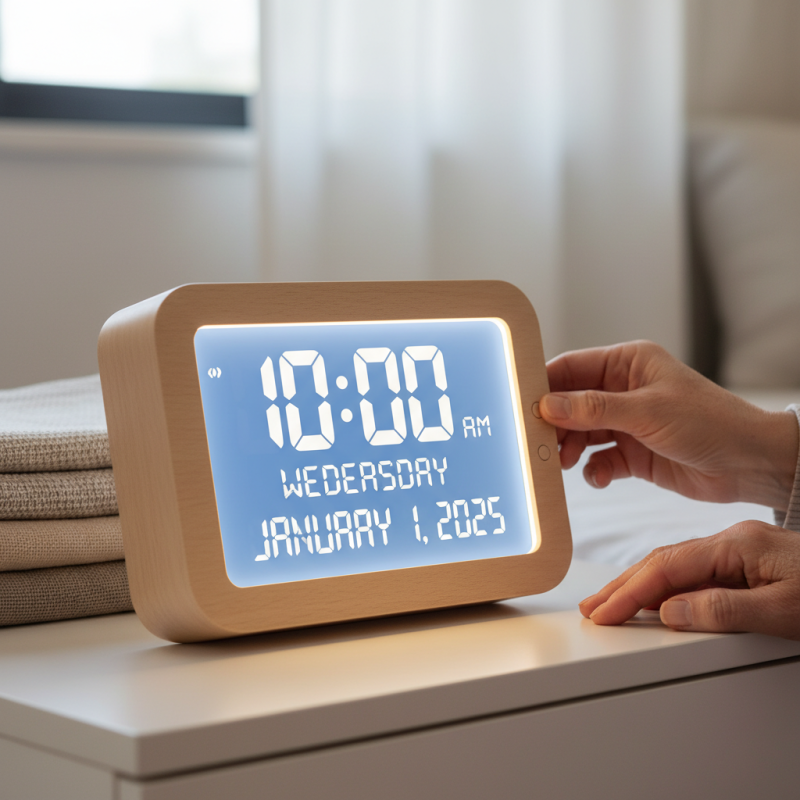
Essential Features of Dementia Clocks for Effective Caregiving
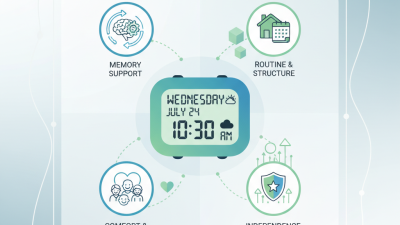
Dementia clocks are innovative tools that can significantly aid caregivers. These devices feature clear displays, often showing the time, date, and day of the week. This information helps those with dementia maintain orientation and structure throughout their day. Caregivers should consider clocks that offer customizable alerts. Reminders can prompt daily routines, medications, or even simple meals, creating a sense of stability.
When choosing a dementia clock, look for easy-to-read screens. Bold numbers and high-contrast colors capture attention. Clocks with both visual and auditory cues can further enhance usability. It's important to select a clock that is user-friendly, as seniors may struggle with complex features. Some people may need additional time to adjust to new technology, so gradual introduction is key.
One useful tip is to place the clock in a prominent location. This encourages its regular use and reinforces time awareness. Regularly review how well the clock suits the individual's needs. Adaptations may be necessary as memory challenges evolve. Simple designs often prove most effective, eliminating confusion that can arise from extraneous features. Prioritizing these aspects can lead to more effective caregiving, promoting comfort and independence.
How Visual Clarity Impacts Dementia Clock Usability
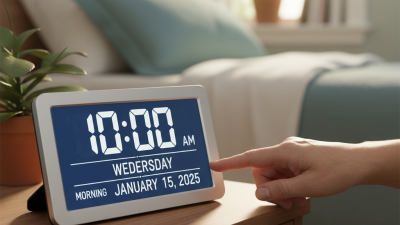
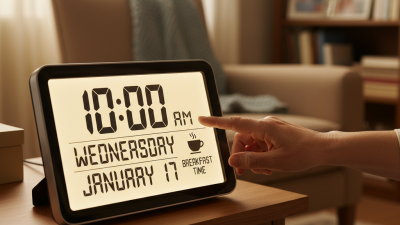
Visual clarity plays a crucial role in the usability of dementia clocks. For individuals with dementia, simple and clear designs can significantly aid comprehension. A clock displays not just the time, but also the day and date. This information is essential for maintaining a sense of routine and orientation. Caregivers should look for clocks that use large, bold face numbers. This helps in reducing confusion, especially in low-light conditions.
Moreover, color contrast matters. High-contrast clocks catch attention better. Black on white or white on black can be particularly effective. Subtle hues may blend into the background, making it difficult for someone with dementia to focus. Additionally, adjustable brightness can be beneficial. Too much glare can be distracting, while too little light may lead to eye strain.
It's essential to consider the placement of these clocks. A well-placed clock can be a lifesaver. Positioning it at eye-level in common areas can help link time to daily activities. However, caregivers must remember that preferences vary. Some may prefer digital displays while others lean towards analog. Exploring these differences can deepen understanding and improve the selection process.
Importance of Date and Time Display in Dementia Clocks
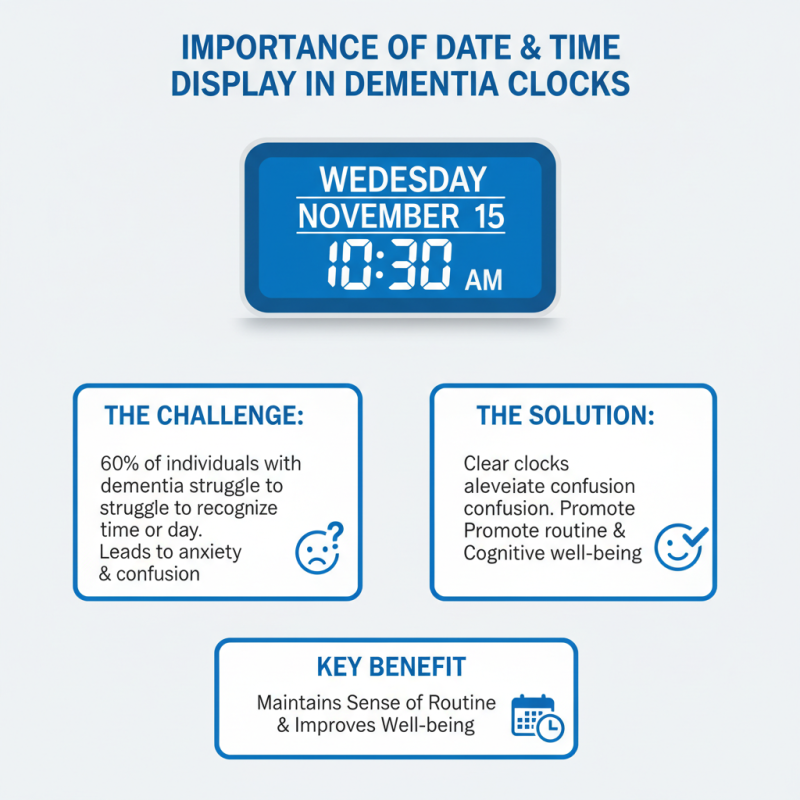
In the context of dementia care, displaying the date and time clearly is paramount. Research shows that 60% of individuals with dementia struggle to recognize the time or day. This can lead to increased anxiety and confusion. Clear clocks can alleviate such issues. They help users maintain a sense of routine, which is critical for cognitive well-being.
The simplicity of a digital display is often beneficial. Features like large fonts and contrasting colors aid visibility. A study published in the Journal of Gerontology indicates that having a reliable reference for time can improve daily functioning by 30%. Nonetheless, not all caregivers are aware of these benefits, which can impact the quality of care.
Furthermore, it's essential to consider the individual needs of those with dementia. Not all designs work for everyone. Some individuals may find certain layouts overwhelming. Caregivers must evaluate which features best support their loved ones, ensuring usability and comfort. This process requires ongoing reflection and adjustment, recognizing that each person's needs may evolve.
Customization Options: Tailoring Dementia Clocks to Individual Needs
When selecting a dementia clock, customization options can significantly enhance its usefulness. Caregivers should consider various features that tailor the clock to the individual's needs. For instance, a clock with large, clear numbers can help those with vision impairments. Some clocks offer different color backgrounds, which might ease the recognition process for some patients. This adaptability can make a real difference in daily life.
Another important feature is the ability to display personalized messages. This could include reminders for medications or appointments. Such messages can help patients feel more secure and informed. Additionally, some clocks allow caregivers to set specific alarm tones. Familiar sounds can provide comfort and help maintain a sense of routine. Each individual may respond differently to these elements, highlighting the need for caregivers to experiment with settings.
It’s worth noting that not all features will work for every individual. A clock that is effective for one person might confuse another. Therefore, continuous observation and adjustments are necessary. Caregivers should remain flexible and willing to explore various options until they find the right fit. This process often involves trial and error, but the goal is to enhance the daily quality of life for those with dementia.
Best Dementia Clock Features That Caregivers Need to Know
| Feature |
Description |
Customization Options |
Benefits for Caregivers |
| Large Display |
Clear, large numbers for easy reading. |
Adjustable font size and color. |
Helps reduce confusion and anxiety. |
| Day/Time Display |
Shows the current date and time clearly. |
Customizable date formats and languages. |
Promotes orientation and routine. |
| Alarm Feature |
Reminders for medication or appointments. |
Customizable alarm sounds and times. |
Supports medication adherence and scheduling. |
| Color Coding |
Uses colors to indicate different times of day. |
Customizable color schemes based on personal preference. |
Assists with understanding daily schedules. |
| Voice Alerts |
Verbal reminders for important events. |
Custom messages recorded by family members. |
Enhances personal connection and reassurance. |
Durability and Design: Choosing the Right Dementia Clock for Safety
When choosing a dementia clock, durability and design play vital roles. Studies show that individuals with dementia often experience visual impairments. A clock with high contrast colors and large numbers is essential. Research indicates that 71% of caregivers prefer clocks that display both time and date to minimize confusion. Clocks should be easy to read, especially under different lighting conditions.
The materials used in the clock's construction must also be considered. Lightweight, durable materials are ideal to prevent accidents. A heavier clock could pose a risk if dropped. According to expert recommendations, ensuring the clock is securely mounted or placed is crucial for safety. Many caregivers struggle with stability issues. Some clocks can slide off tables easily, leading to potential hazards.
Design aesthetics also matter. Clocks should be visually appealing and blend with home decor. This can help create a pleasant environment for those with dementia. Caregivers often overlook the emotional aspect of design, but it influences mood. Simplistic designs reduce distractions, allowing for better focus on time. A thoughtful choice can enhance daily routines and instill a sense of normalcy.
Best Dementia Clock Features That Caregivers Need to Know