What is a Dementia Clock and How Does it Help Seniors?
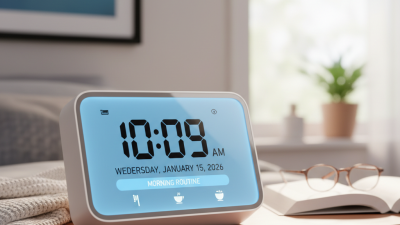
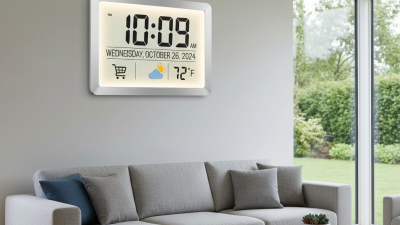
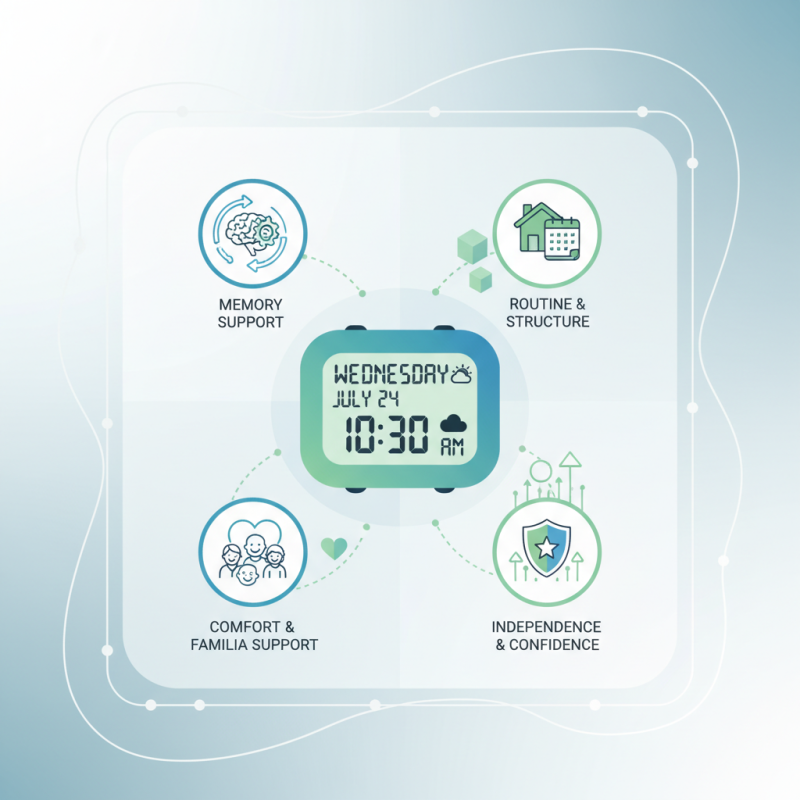
A Dementia Clock is more than just a timepiece. It serves a critical role for seniors facing memory challenges. This innovative device displays not only the time but also the date, day, and even weather updates. For individuals with dementia, it’s essential to grasp the context of their surroundings.
The device can help reduce confusion during the day. Imagine a senior waking up, looking at the Dementia Clock, and seeing the clear layout of information. It provides comfort and structure, reminding them of the day’s events. However, not all seniors may adapt seamlessly to this change. Some might feel frustrated if they struggle to understand it.
It's key to realize that while a Dementia Clock can aid in daily routines, it's not a cure. Family support remains vital. Encouragement can promote a sense of independence and confidence. The clock is a tool, yet it won't fix everything. Ensuring that seniors feel loved and understood is equally important.
What is a Dementia Clock and Its Purpose for Seniors
A dementia clock is a specialized device designed to aid seniors coping with cognitive decline. Its primary purpose is to provide clear and easily readable time and date information. Many seniors struggle with time awareness due to dementia. A dementia clock displays large numbers and often includes the day of the week or even whether it is morning or evening. This feature helps minimize confusion.
Beyond showing the time, these clocks can ease anxiety for seniors. When individuals lose track of time, it can cause distress. The clear display offers reassurance. Some models even include reminders or medication prompts. However, not all seniors may find this helpful. Personal preferences vary widely. Some may feel overwhelmed by technology, while others might ignore the clock altogether.
It’s crucial to personalize the approach to each individual’s needs. Engaging seniors in discussions about their experiences with time can yield valuable insights. Some may need simpler solutions or a more interactive approach. Observing how they respond can inform future adjustments. Ultimately, it’s about enhancing their quality of life, embracing the little moments amid challenges.
How a Dementia Clock Assists in Daily Routine Management
Dementia clocks play a vital role in assisting seniors with cognitive challenges. These clocks do more than display time. They provide clear visual cues about daily routines. Many seniors struggle to keep track of time due to memory loss. According to the Alzheimer's Association, nearly 6.5 million Americans aged 65 and older live with Alzheimer's disease in 2023.
A dementia clock features large, bold numbers and often spells out the time and date. This design reduces confusion and helps seniors stay oriented. Research indicates that consistent daily routines can significantly improve well-being in individuals with dementia. A well-structured day can help reduce anxiety and enhance feelings of security.
Incorporating a dementia clock into a daily routine encourages independence. Simple tasks become manageable. Seniors can see when to eat, take medications, or engage in social activities. However, consistent usage is crucial. Some seniors might initially resist the change. With time and patience, these tools can transform daily life for many. It's not a complete solution, but it offers support in crucial areas.
Features of Dementia Clocks Designed for Elderly Care
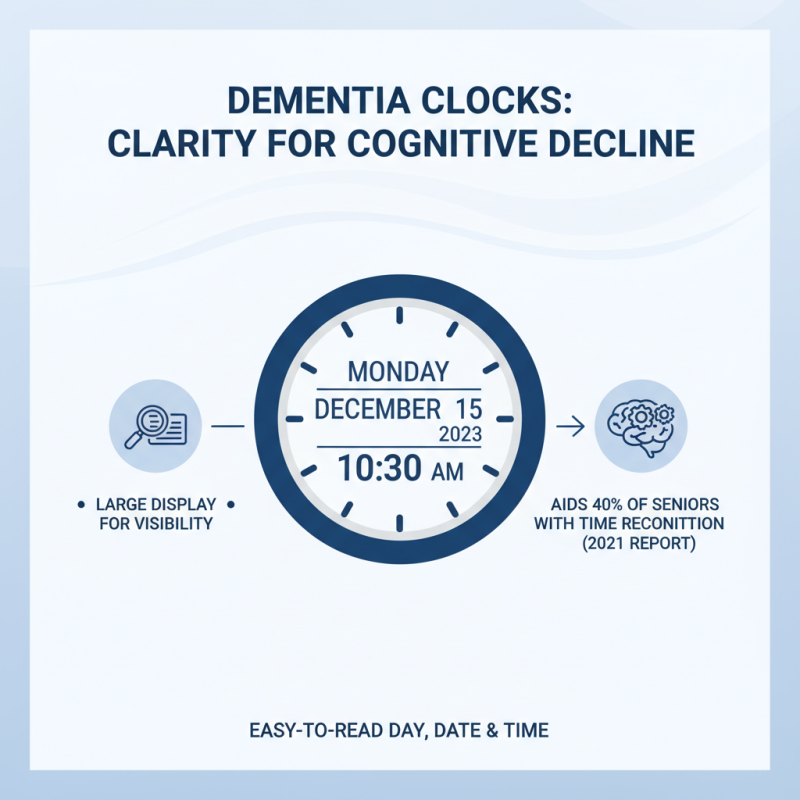
Dementia clocks are designed specifically to aid seniors struggling with cognitive decline. These clocks offer several features that cater to their needs. For instance, they display the day, date, and time clearly. A 2021 report indicated that approximately 40% of seniors with dementia faced difficulties in recognizing time. These clocks make it easier by providing visual cues. The larger displays are essential for users with poor eyesight.
Many dementia clocks also include color-coded elements. Research shows that color can significantly affect cognition. A study revealed that colors help dementia patients recall information better. This can enhance their connection to the present moment. Some clocks even offer alarms for reminders. These features are useful for medication schedules or appointments. The simplicity in design helps reduce confusion, which is vital for those with cognitive impairments.
However, not all seniors adapt well to these clocks. Some may find the additional information overwhelming. There's a need for personalized adjustments to ensure usability. This highlights the importance of tailoring these devices to individual needs. Ultimately, dementia clocks provide valuable support, but their effectiveness varies among users. Understanding each senior’s specific requirements is crucial to maximizing their potential benefits.
Benefits of Using Dementia Clocks for Cognitive Support
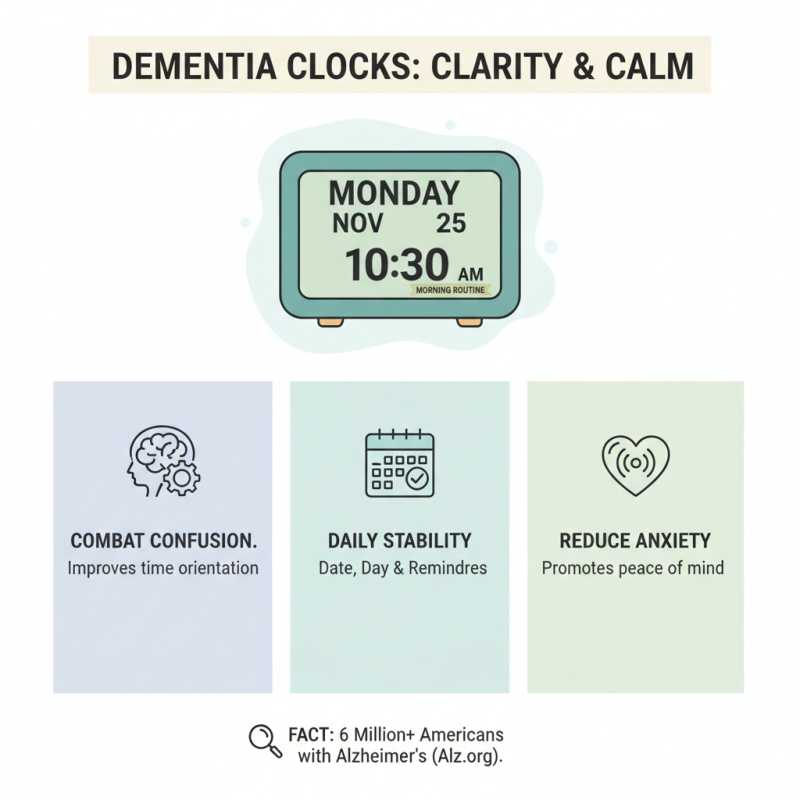
Dementia clocks serve as vital tools for seniors experiencing cognitive decline. These clocks often display not just the time, but also the date, day of the week, and even reminders. According to a study from the Alzheimer’s Association, nearly 6 million Americans live with Alzheimer's disease. Many of these individuals struggle with time orientation, leading to confusion and anxiety. Dementia clocks help reduce this confusion, promoting a sense of stability and ease in daily routines.
Implementing dementia clocks can greatly enhance cognitive support. Research indicates that providing consistent cues can improve cognitive functioning in individuals with dementia. By visually presenting the current time and day, these devices help remind seniors of their daily activities. A survey revealed that over 80% of caregivers noted a decrease in anxiety when seniors used these clocks.
Tips: Position the clock in a well-lit area. Make sure it is easily visible from different angles. Encourage family members to engage with the clock too. This can foster a meaningful connection and reduce feelings of isolation. Keep in mind, however, that not all technologies suit every individual. It's important to assess what works best for your loved one.
Choosing the Right Dementia Clock for Individual Needs
Choosing the right dementia clock is crucial for seniors with cognitive challenges. These clocks can vary greatly in features and designs. Some have large, clear displays showing the time, date, and day. Others may include reminders for medications or appointments. The key is to match the clock features to the individual’s specific needs.
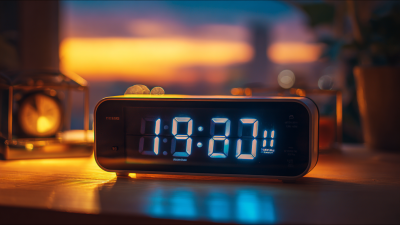
Consider the user’s vision and understanding. A person with advanced dementia might find a simple clock less overwhelming. Bright colors and contrasting numbers can make reading easier. For someone who requires reminders, a clock with audio alerts may be beneficial. It's essential to reflect on what aspects of a clock will genuinely help the individual navigate their day.
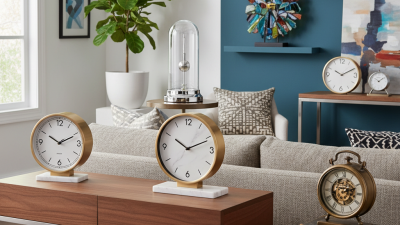
However, not every clock works for everyone. Some seniors may not respond well to digital displays. Others may confuse multi-functional clocks with too many features. It’s vital to observe how they interact with the clock over time. Adjustments may be needed. Sometimes, a basic analog clock could be a more comforting and familiar option. Understanding these nuances can lead to a more fulfilling daily routine for seniors facing dementia.