What is a Dementia Clock and How Does It Help Patients?
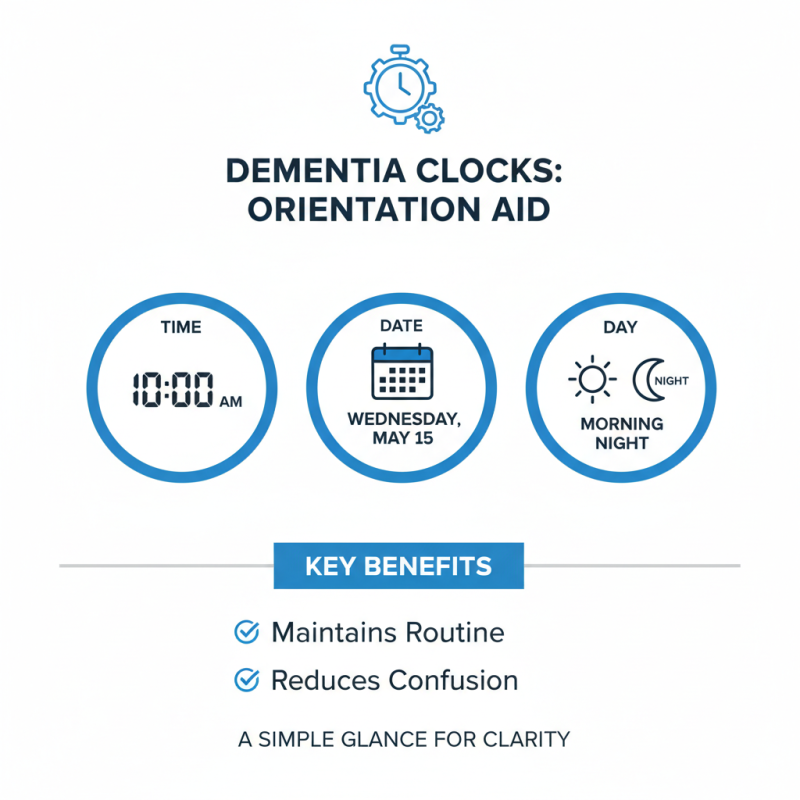
Dementia affects millions worldwide, altering lives in profound ways. One innovative tool emerging to support those with dementia is the "Dementia Clock." This device is not just a timepiece. It offers clarity in an often confusing world. For patients, understanding time can be a daily struggle. The Dementia Clock addresses this challenge directly.
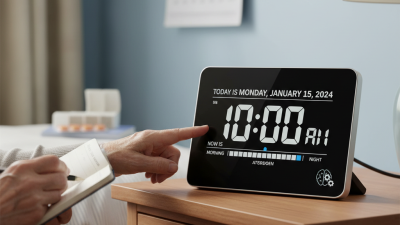
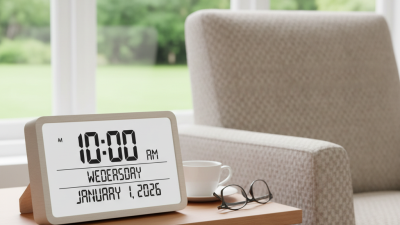
It displays the time, day, and date in large, clear digits. This simplicity helps reduce anxiety and frustration. Patients can quickly grasp what they need to know. Yet, not everyone will respond positively to such tools. Some might find it disorienting or too basic.
The Dementia Clock serves as a helpful companion. It is a step towards independence for many patients. However, exploring its effectiveness may lead to more questions than answers. How does each individual interact with this device? Does it truly enhance their daily lives? These reflections encourage deeper understanding and improvement in dementia care.
Understanding the Concept of a Dementia Clock
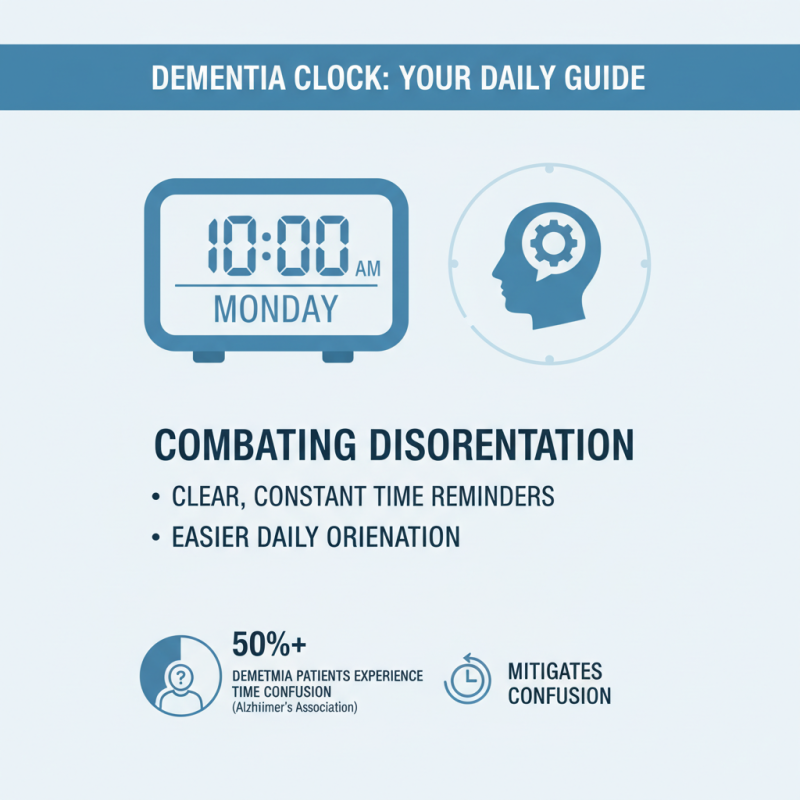
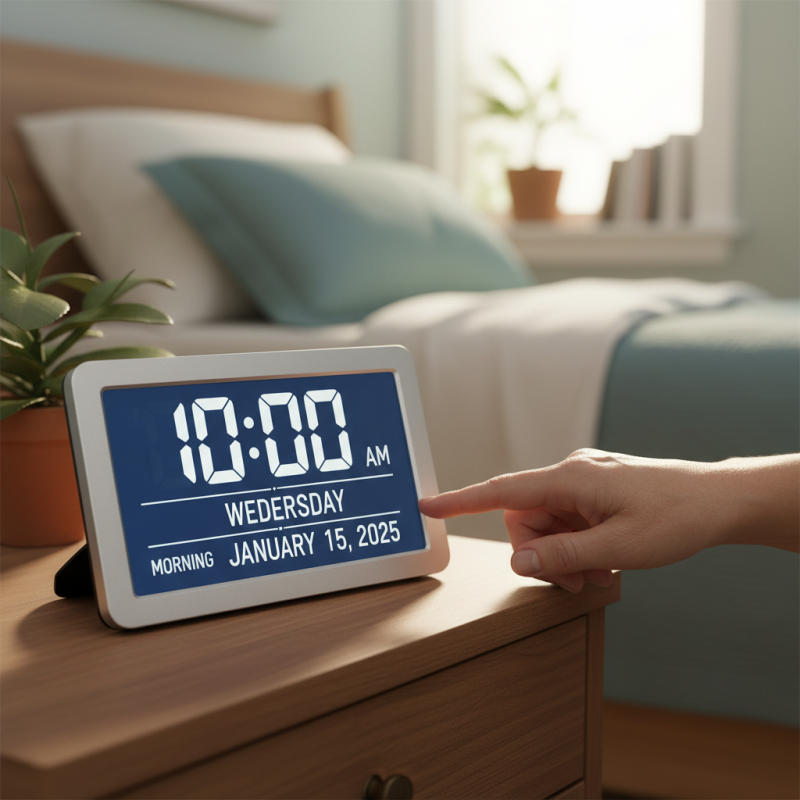
A Dementia Clock is a unique tool designed to aid patients with memory disorders. It provides clear, constant reminders of the time and date, making it easier for individuals to orient themselves throughout the day. In fact, according to a study published by the Alzheimer’s Association, over 50% of dementia patients experience disorientation and confusion regarding time. By displaying both the time and the day, a Dementia Clock can help mitigate those feelings.
While the concept may seem simple, the clock plays a crucial role in enhancing a patient’s independence. It fosters a sense of security. Patients can glance at the clock and immediately understand where they are in the daily routine. This visual cue can prove invaluable, especially in managing anxiety levels. Research indicates that visual aids can significantly reduce stress in individuals with cognitive impairments.
Tips: Consider placing the Dementia Clock in a common area. This ensures it is easily accessible. Regularly updating the clock can also be a small task that caregivers can involve patients in. This may encourage engagement and help reinforce their understanding of time. Keeping the environment familiar can greatly improve overall well-being. Even small changes can lead to surprising benefits.
Key Features of a Dementia Clock
Dementia clocks are specially designed tools that assist patients with memory loss. They often display clear, large numbers and letters. This makes it easier for individuals to read the time and date. Some models even provide information on the day of the week and the current month. Bright colors enhance visibility, which is crucial for those struggling with sight.
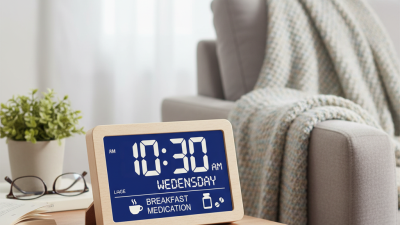
These clocks also feature alarms and reminders. Patients can set specific alerts for their medications or daily activities. Such prompts help maintain a routine, which is vital for those with dementia. The simplicity of the design is central to its function. There are no complex settings, ensuring ease of use. However, some clocks lack customization options, which may not suit everyone's preferences. Observing how patients interact with these devices can reveal their needs better. Users may find some aspects frustrating or cumbersome.
Over time, dementia clocks can significantly improve patients' quality of life. They foster a sense of independence, encouraging individuals to engage more with their surroundings. As with any tool, there are limitations. What works for one person might not resonate with another. It's essential to reflect on these differences to enhance support systems for those with dementia.
Dementia Clock Usage Over Time
The above chart illustrates the usage of a dementia clock throughout various times of the day. As shown, the clock is used more frequently in the afternoon, with usage tapering off into the evening and night. This can help caregivers understand when the clock is most beneficial to patients, enhancing daily routines and memory support.
Benefits of Using a Dementia Clock for Patients
Dementia clocks are specialized devices that help patients manage time and date understanding. They display clear information about the time of day and the day of the week. For individuals with dementia, confusion about time can be distressing. A dementia clock simplifies this by using large fonts and contrasting colors. This can ease anxiety and promote a sense of stability.
Using a dementia clock can enhance daily routines for patients. It encourages independence by allowing individuals to track their schedules. Patients may feel more empowered as they can see when it’s time for meals or activities. Properly timed reminders can lead to improved engagement throughout the day.
Tips for maximizing the benefits of a dementia clock include placing it in a well-lit area. This ensures clarity, especially for those with visual impairments. Allow patients to interact with the clock regularly. Observing how they use it can reveal insights about their understanding of time. It’s crucial to remember that not all clocks fit every patient’s needs. Tailoring the experience can lead to better outcomes.
What is a Dementia Clock and How Does It Help Patients? - Benefits of Using a Dementia Clock for Patients
| Feature |
Description |
Benefits |
| Large Display |
Clear and easy-to-read time showing the hour, minute, and if it's AM or PM. |
Helps patients keep track of time, reducing confusion. |
| Date and Day Display |
Shows the current date and day of the week. |
Assists in orientation to time, which is beneficial for memory. |
| Customizable Alerts |
Allows scheduling reminders for medications or activities. |
Promotes medication adherence and provides structure to the day. |
| Color Coding |
Utilizes colors to signify different times of day (e.g., morning, afternoon, evening). |
Enhances understanding of daily routines and schedules. |
| User-Friendly Interface |
Designed for simplicity with minimal buttons and clear navigation. |
Reduces frustration for users with cognitive impairments. |
How a Dementia Clock Aids Caregivers
Caring for someone with dementia can be challenging. A dementia clock serves as a helpful tool for caregivers. This clock shows not only the time but also the date and day of the week. By displaying clear and simple information, it helps patients feel more connected to time. Knowing the date can reduce confusion. It is a small step towards regaining independence.
Caregivers frequently face difficulties in communication. A dementia clock acts as a visual aid that can spark conversations. When patients see the time, they might ask questions about their routine. This creates an opportunity for caregivers to engage them. Simple discussions can help maintain a sense of normalcy. However, caregivers may sometimes rely too much on these tools. It is essential to balance the use of technology with personal interaction.
Implementing a dementia clock can reduce anxiety for both patients and caregivers. Yet, it is not a fix-all solution. Caregivers must remain patient and attentive. They should observe how their loved ones respond. Adjustments may be necessary to meet individual needs. Finding the right balance is essential in providing effective care.