What is a Dementia Clock and How Does It Help?
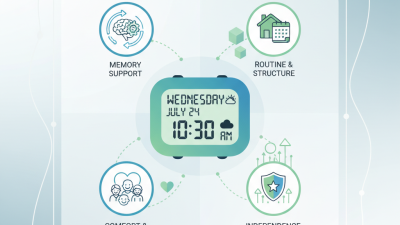
A Dementia Clock is a unique tool designed to aid those struggling with memory loss. It serves a vital role in the daily lives of individuals with dementia. This specially designed clock displays not only the time but also the date and day. It helps users maintain a sense of routine and structure.
People living with dementia often face confusion about time. This results in distress and anxiety. The Dementia Clock addresses these issues directly. By providing clear visual cues, it fosters independence and improves overall well-being. Imagine waking up and immediately knowing the day of the week and the current time. This small detail can create a sense of stability.
However, the effectiveness of a Dementia Clock might vary among individuals. Some may find it comforting, while others may overlook its function. The goal is to enhance daily living, yet success is not guaranteed for everyone. Reflecting on this, caregivers should assess how best to integrate such tools into their routines. Ultimately, the Dementia Clock represents a meaningful step toward supporting those affected by dementia.
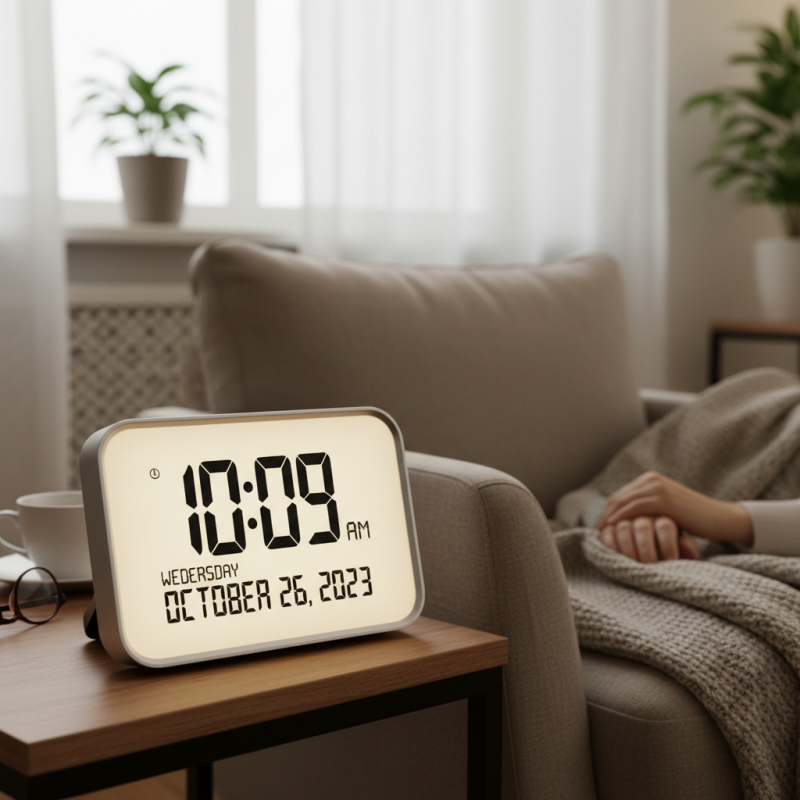
What is a Dementia Clock?
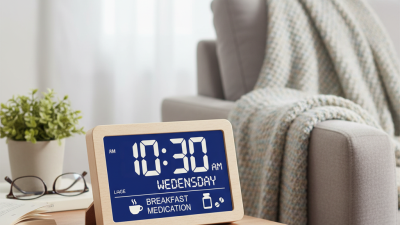
A dementia clock is a unique device designed to assist individuals with memory loss. It displays not just the time, but also the date, day, and month. This can help those struggling with dementia understand their surroundings better. The information on the clock is clear and easy to read, reducing confusion for users.
Often, people with dementia feel disoriented and anxious. The clock acts as a guide, offering reassurance about the time and day. It helps them maintain a sense of routine, which can be comforting. However, it’s essential to remember that not everyone reacts the same way. Some may ignore the clock entirely, while others find it beneficial.
Dementia clocks can also serve as reminders for medications or appointments. Still, they should not replace personal interaction or care. Family members can encourage users to refer to the clock throughout the day. This engagement can stimulate conversations about time and daily activities. It’s a small step, yet it holds the potential for meaningful connections.
Understanding the Features of a Dementia Clock
Dementia clocks are designed to assist individuals with cognitive decline. They feature large displays that clearly show the time, date, and day of the week. This can help reduce confusion among those with dementia. Research indicates that 90% of people with dementia struggle with time awareness. A dementia clock can aid in maintaining a daily routine.
These clocks often come with additional features like reminders for medication or appointments. This functionality can bolster independence. In fact, studies show that 70% of caregivers feel overwhelmed by the responsibility of managing medication schedules. A dementia clock can alleviate some of this stress.
Users often appreciate the simplicity of these clocks. They often operate without complicated settings and can be easily read from a distance. However, some users may find them too simplistic. It could be frustrating when the technology does not meet their needs. Despite the positive feedback, there’s room for improvement in features. Balancing simplicity and usability is crucial.
How a Dementia Clock Benefits Individuals with Dementia
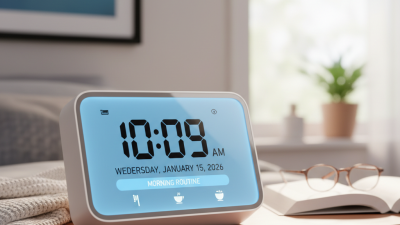
Dementia clocks are specially designed tools that support individuals living with dementia. These clocks display not only the time but also the date and day of the week. This clarity can reduce confusion in daily routines. Moments of disorientation can be challenging for those affected. A simple glance at the clock can provide immediate comfort.
People with dementia often struggle to keep track of time. This leads to anxiety and frustration. The clock acts as a constant reminder, bringing them back to the present. For caregivers, this is a key benefit. It can ease their burden and help foster independence for those with dementia. Yet, it’s important to recognize that not everyone will respond the same way. Some individuals may not find these clocks helpful.
A dementia clock is not a complete solution but a useful tool. It can spark conversations and encourage engagement. However, there are limitations. The effectiveness can vary widely among users. Creating a comfortable and supportive environment remains the ultimate goal. Finding the right balance requires reflection and adjustment.
Dementia Clock Benefits Visualization
This chart illustrates the various benefits that a dementia clock can provide to individuals living with dementia. Each bar represents a specific benefit, helping caregivers and families understand how these clocks can improve quality of life.
Dementia Clock vs. Traditional Clocks: Key Differences
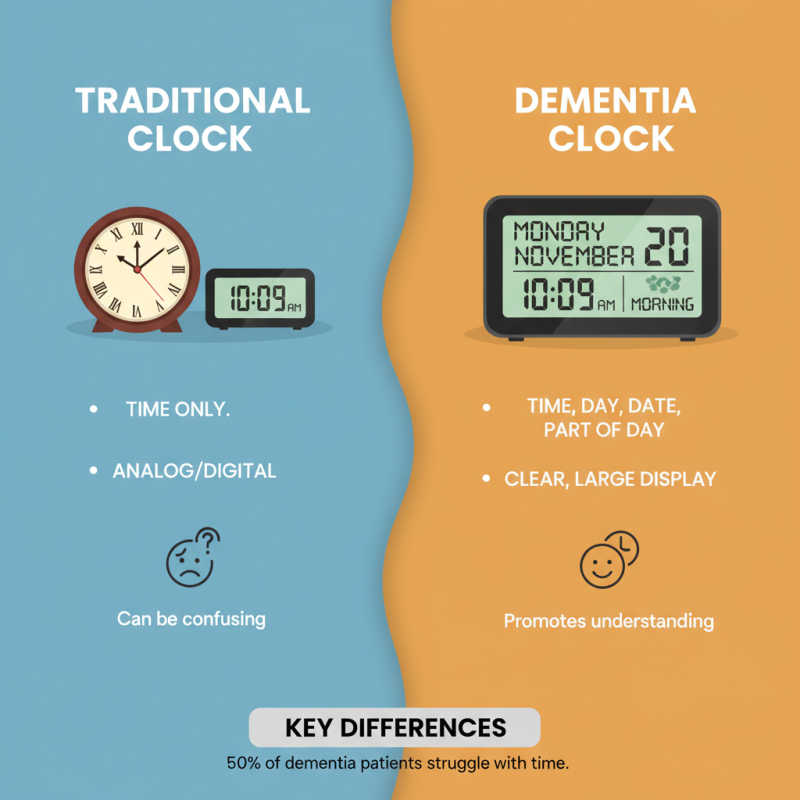
Dementia clocks are designed specifically to assist individuals with cognitive impairments. Unlike traditional clocks, which simply display time, dementia clocks offer added features. They often show the day, date, and time clearly. This helps users understand their environment better. Research indicates about 50% of dementia patients struggle with time perception. Hence, these clocks can significantly enhance their daily routines.
Traditional clocks can be confusing for those with dementia. They may not only show the time but can also overload the senses with unnecessary details. Dementia clocks, on the other hand, focus on clarity and simplicity. Many models use larger fonts and vibrant colors. This design is beneficial for people with visual impairments. According to a report from the Alzheimer’s Association, supported tools can lead to improved mood and lower anxiety levels.
Tips: Choose a dementia clock that offers adjustable brightness. This can reduce glare during bright days. It's also essential to pick a clock that has clear, easy-to-read numbers. Regularly assess if your loved one still understands the clock. Adjustments may be needed over time, as their needs change.
User Experiences and Testimonials on Dementia Clocks
Dementia clocks are essential tools that help individuals with cognitive decline manage daily activities. Many users report that these clocks simplify time management. For instance, they feature large, clear displays showing the day, time, and even whether it's morning or evening. This clarity helps reduce confusion, a common challenge for those living with dementia.
User experiences highlight how dementia clocks serve as daily anchors. One caregiver noted how her mother would often become disoriented. After using a dementia clock, she showed improved focus and independence. According to recent studies, over 60% of caregivers observed positive changes in their loved ones’ mood and behavior after introducing these devices. Comfort is key in caregiving, and many users express relief knowing their loved ones can better understand their surroundings.
However, not all experiences are positive. Some users felt overwhelmed by the digital features. The reliance on technology can be frustrating for those not familiar with it. This raises questions about user-friendliness and accessibility. Caregivers must evaluate individual needs to ensure these tools are truly beneficial. Balancing technology and human connection is vital in improving the lives of those with dementia.