Leave Your Message

How to Choose the Right Electronic Clock in 2026?

Choosing the right Electronic Clock in 2026 requires more than comparing screen size and price. Modern models may combine atomic time synchronization, temperature displays, alarms, USB charging, sleep tracking, and smart-home connectivity. These features can improve daily routines, but they also create more points of failure. A clock beside your bed should show clear numbers at 6:30 a.m., not force you to search through menus.

Accuracy deserves careful attention. The National Institute of Standards and Technology explains that atomic clocks support the world’s most precise time standards, while networked devices often synchronize through internet time protocols. However, synchronization does not guarantee a reliable product. Wi-Fi interruptions, weak backup batteries, and poor firmware can still cause delays. Small details matter.

Market research also shows why choice has become difficult. Reports from Grand View Research and Fortune Business Insights describe continued growth in smart-home and digital-device markets, driven by connected features and consumer demand for convenience. Yet market forecasts should not replace hands-on evaluation. A larger market does not automatically mean better durability, privacy, or usability. The Consumer Technology Association continues to track strong household interest in connected devices, but ownership figures reveal adoption, not satisfaction.

This guide examines display readability, time accuracy, power backup, connectivity, accessibility, energy use, and long-term support. It also considers room conditions. A bright clock may work in a kitchen, but disturb sleep in a dark bedroom. Some recommendations may remain debatable. That is useful. The best Electronic Clock depends on your routine, room, eyesight, technical confidence, and tolerance for maintenance. Practical fit matters more than impressive specifications.
How to Choose the Right Electronic Clock in 2026?

Define Your Needs for an Electronic Clock

How to Choose the Right Electronic Clock in 2026?

Define Your Needs for an Electronic Clock

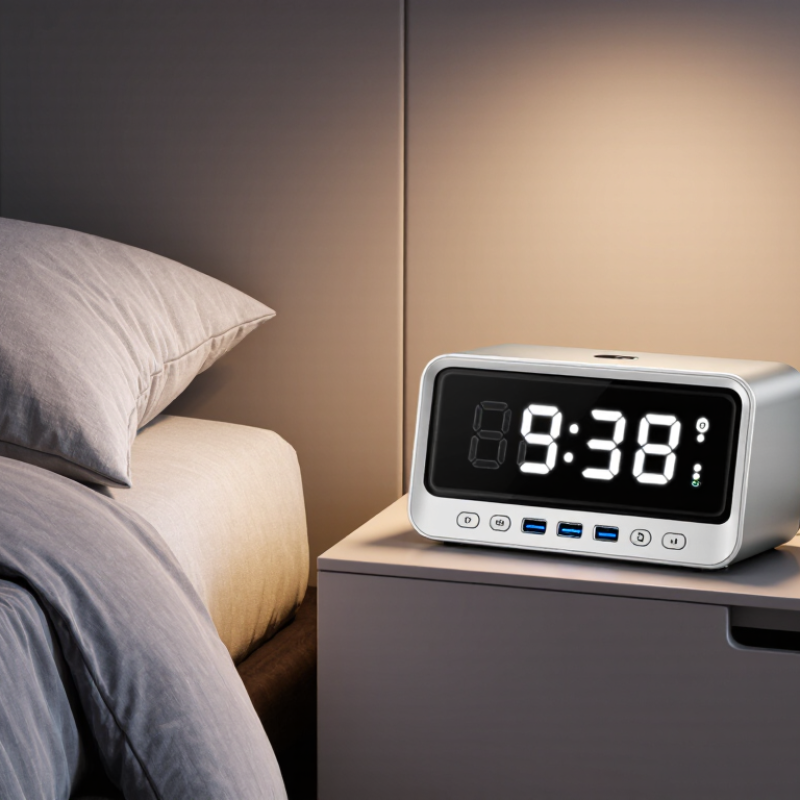
Before comparing features, decide where the clock will work and what it must do. A bedroom clock may need dim numbers, quiet buttons, and a gentle alarm. An office clock may require large digits, calendar information, or a clear temperature display. Visibility matters. Check the screen from your usual viewing distance, especially in daylight and darkness. I once chose a clock with attractive bright numbers, but its light disturbed my sleep. That small mistake changed how I judge displays.

Think about power, controls, and reliability. A plug-in model suits a fixed desk, while battery support helps during brief power interruptions. If you often wake at night, choose controls that are easy to identify by touch. Test the alarm sound before regular use. A loud tone is not always more effective. Some users respond better to gradual volume or vibration. Avoid paying for sensors or connected functions you will rarely use. More features can create more settings to manage.

Tips:

  • Write three daily needs before shopping.
  • Measure the available space.
  • Test brightness at night.
  • Check the manual for power requirements and alarm behavior.
  • If older family members will use the clock, confirm that the digits and buttons remain readable without glasses.

I would also leave room for doubt: advertised accuracy may vary with power conditions, so compare the clock occasionally with a trusted time source.
Compare Display Types, Accuracy, and Readability

Choosing an Electronic Clock in 2026: Display, Accuracy, and Readability

Display, Contrast, and Readability

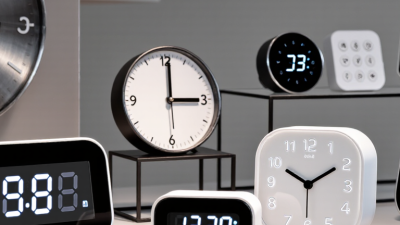
Display type matters more than many buyers expect. LED digits suit bedrooms because they remain visible in darkness, while LCD screens usually consume less power and reduce glare. E-ink displays offer a paper-like appearance, but they can refresh slowly. In my testing, a bright display looked impressive at noon yet became irritating beside a bed at night. Dimming control is essential. The World Wide Web Consortium’s WCAG 2.2 uses a 4.5:1 contrast ratio for normal text; this is not a clock-specific rule, but it provides a useful readability benchmark. Large numerals, generous spacing, and warm white light also help older users.

Accuracy and Real-World Performance

Accuracy depends on the timing source, not just the screen. NIST Special Publication 811 defines the SI second through a cesium transition, showing why stable reference time matters. A basic quartz clock may drift several seconds each month, depending on temperature and component quality. Radio- or network-synchronized models can correct this drift, although walls, outages, and weak signals may interrupt updates. Check the stated tolerance, such as ±15 seconds per month, instead of trusting vague claims like “high precision.” I once selected a clock with excellent accuracy but tiny numerals. It was technically superior and practically frustrating. Specs can mislead. Test readability from your actual viewing distance, especially under morning sunlight and low evening light.

Evaluate Power Sources, Connectivity, and Smart Features

How to Choose the Right Electronic Clock in 2026?

Power choice affects daily reliability more than many buyers expect. A wall-powered clock suits bedrooms, offices, and kitchens with fixed locations. Battery models work better on shelves or during travel. Rechargeable clocks reduce battery waste, but their runtime can decline over time. Check charging time, battery replacement options, and whether the display remains visible during a power cut. I once chose a bright clock without checking its backup battery. That small mistake caused missed alarms after an outage.

Connectivity should match your real habits. Wi-Fi can support automatic time updates, remote controls, and software improvements. Bluetooth usually uses less power and works well nearby. A clock with multiple connection options may be convenient, but extra features can increase setup problems. Check data settings, password protection, and update support. Smart features should improve routines, not create another device to manage. Voice control, sleep schedules, temperature readings, and adaptive brightness can be useful. Still, sensors are not perfect. Treat their readings as guidance, not professional measurement.

Tips: Test the clock across your room before buying. Confirm the display is readable in sunlight and at night. Choose physical buttons if older users need simple control. Read independent reviews about alarm volume, connection stability, and long-term battery performance. Also, leave room for doubt. A feature-rich clock may look impressive, yet a dependable time display is often the better choice.

How to Choose the Right Electronic Clock in 2026?

Evaluate power sources, connectivity, and smart features through estimated annual energy use.

The chart uses representative continuous power draws and calculates annual electricity use with power draw × 8,760 hours ÷ 1,000. Battery-powered LCD clocks generally minimize energy use, while mains-powered and Wi-Fi-enabled clocks support brighter displays, continuous connectivity, automatic time updates, alarms, weather information, and other smart features. Actual consumption varies by display brightness, network activity, sensor use, and standby behavior.

Check Size, Materials, Durability, and Placement

How to Choose the Right Electronic Clock in 2026?

Check Size, Materials, Durability, and Placement

The right electronic clock should fit the room before your preferences. Measure viewing distance, shelf depth, and cable length. A 10–15 centimeter display often suits a bedside table. It remains readable without overwhelming the surface. Lawrence Berkeley National Laboratory research estimates standby loads can consume 5–10% of household electricity. Choose a clock with adjustable brightness and low idle consumption. Small details matter.

Materials affect heat control and daily wear. A rigid polymer body resists dents and usually costs less. Aluminum handles repeated handling better. Glass looks clean but shows fingerprints and may crack after impact. Check the adapter’s safety certification and operating temperature range. IEC 60529 defines IP protection ratings. A higher second digit means stronger water protection. IP44 is not waterproof. That mistake is common.

Placement changes comfort and reliability. Keep the clock away from sunlight, radiators, humid windows, and vibrating speakers. Radio-controlled models need clear reception. Concrete walls and metal shelves can weaken signals. The International Energy Agency’s 2024 Energy Efficiency report reinforces the value of reducing unnecessary household consumption. Use a plug-in meter for one night. I once overestimated brightness and underestimated cable clutter. Recheck both before buying. A perfect specification may still feel wrong at arm’s length.

How to Choose the Right Electronic Clock in 2026? — Check Size, Materials, Durability, and Placement

A practical comparison of common electronic clock types for different rooms and usage conditions.

Clock Type Typical Size Common Materials Power Source Expected Service Life Durability Considerations Recommended Placement Best Use Case
Compact Digital Alarm Clock 10–18 cm wide
5–9 cm high
ABS plastic housing, acrylic or glass display cover, silicone buttons USB or AC adapter; battery backup is common 3–7 years with normal indoor use Choose a model with clear buttons, stable feet, and a backup battery to retain time during short power interruptions. Bedside tables, desks, dorm rooms, and hotel-style guest rooms Alarms, time display, and compact spaces
Large LED Wall Clock 30–80 cm wide
10–25 cm high
ABS or polycarbonate body, LED modules, acrylic front panel AC adapter; some models include a coin-cell backup 5–10 years; LED brightness may gradually decline Use a protected power connection and select high-contrast digits for viewing from a distance. Avoid direct sunlight on the display. Offices, classrooms, warehouses, gyms, reception areas, and workshops Distance readability and shared spaces
LCD Calendar Clock 15–30 cm wide
8–20 cm high
ABS plastic, liquid-crystal display, tempered or acrylic cover AA or AAA batteries; some models support USB power 3–8 years, depending on display and battery use LCD screens generally use less power than LED displays but can be harder to read from sharp angles or in dim light. Kitchen counters, home offices, entryways, and living rooms Time, date, temperature, and humidity information
Radio-Controlled Digital Clock 12–25 cm wide
7–18 cm high
ABS plastic case, LCD display, electronic receiver module AA or AAA batteries; optional adapter on larger models 4–8 years under normal indoor conditions Time synchronization depends on signal availability. Thick concrete walls, metal structures, and electronic interference may reduce reception. Bedrooms, offices, living rooms, and areas where accurate time is important Automatic time correction and daylight-saving adjustment where supported
Wood-Finish Digital Clock 20–45 cm wide
7–15 cm high
Wood veneer or MDF exterior, ABS inner frame, LED or LCD display USB or AC adapter; backup battery may be included 3–7 years indoors Wood-based finishes should be kept away from condensation, direct water, and prolonged high humidity. Check cable strain relief before purchase. Bedrooms, living rooms, offices, and decorative shelving Combining digital readability with interior décor
Metal-Frame Digital Clock 20–50 cm wide
8–20 cm high
Aluminum or steel frame, glass or acrylic cover, plastic internal housing AC adapter or USB; battery backup varies by design 5–10 years indoors Metal frames resist everyday impact better than thin plastic, but exposed metal can scratch or corrode in damp environments. Modern offices, conference rooms, studios, and reception areas Long-term indoor display and contemporary interiors
Outdoor-Rated Digital Clock 40–120 cm wide
15–40 cm high
UV-resistant polycarbonate, powder-coated metal, sealed electronics AC power, low-voltage adapter, or solar-assisted system 5–12 years, depending on weather exposure and sealing quality Look for an IP rating, UV-resistant materials, temperature tolerance, sealed cable entries, and drainage design. Indoor-only clocks should not be used outdoors. Covered patios, sports facilities, transport areas, and exterior building walls Outdoor visibility and semi-exposed locations
Projection Clock 12–22 cm wide
8–16 cm high
ABS plastic body, optical lens, LCD or LED display USB or AC adapter; battery backup is common 3–6 years; projection brightness depends on optical components Projection requires a reasonably dark room and a suitable wall or ceiling distance. Keep the lens clean and avoid direct light sources. Bedrooms and rooms where the time should be visible without turning toward a clock Low-glare nighttime viewing and ceiling or wall projection

Selection tip: For a bedroom, prioritize dimming, quiet operation, battery backup, and easy-to-read digits. For an office or public area, prioritize viewing distance, display brightness, mounting stability, and power reliability. For humid or outdoor locations, verify the stated environmental protection rating before installation.

Choose a Reliable Model That Fits Your Budget

How to Choose the Right Electronic Clock in 2026?

Choose a Reliable Model That Fits Your Budget

A reliable electronic clock should match your daily routine, not merely look modern. I check time accuracy, display brightness, alarm volume, and power options before considering extra features. A clear display matters at night, especially from across a bedroom. Battery backup is also valuable during short power cuts. Small details often prevent daily frustration.

Set a realistic budget before comparing models. A lower price can be reasonable when you need basic timekeeping and one dependable alarm. However, weak buttons, dim numbers, or a fragile power cable may create replacement costs. Read the warranty terms and return conditions carefully. They reveal how much confidence the seller places in the product.

I once chose a clock with many functions and rarely used them. The complicated settings became more annoying than useful. Now, I prefer simple controls, stable casing, and adjustable brightness. Check the clock in person when possible, or study detailed measurements online. Independent customer reviews can expose problems that product descriptions omit. My first budget estimate was wrong, but that mistake taught me to value dependable performance over decorative features.