How to Choose the Best Large Display Digital Clock for Your Needs?
In today's fast-paced world, selecting the right Large Display Digital Clock can be challenging. Experts emphasize its importance for precision and readability. Dr. Emily Hartman, a leading specialist in timekeeping technology, once stated, “A digital clock is more than a timepiece; it’s a tool for efficiency.” Her insight highlights the need for thoughtful consideration when choosing one.
When searching for the ideal Large Display Digital Clock, various factors come into play. Size, brightness, and ease of use are vital. A well-designed clock ensures visibility from a distance, making it perfect for workspaces or classrooms. Yet, many overlook the importance of features like alarm settings or temperature displays. These details can enhance daily routines significantly.
Nonetheless, it’s essential to recognize the pitfalls. Not every clock may serve your specific needs. Some may find flashy designs appealing but not practical. Others might focus solely on price, ignoring crucial features. Reflecting on these aspects can lead to a more informed choice, ultimately resulting in a clock that truly complements your lifestyle.
Understanding Your Display Space and Viewing Distance
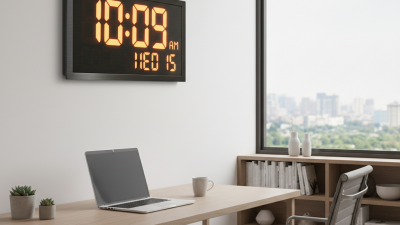
When selecting a large display digital clock, understanding your display space and viewing distance is crucial. The size of the area where the clock will be placed significantly impacts your choice. For example, in a spacious hall, a larger clock is essential. It ensures visibility from various points. In smaller spaces, a medium size may suffice.
Considering viewing distance is equally important. An ideal clock should be legible from the furthest point in the room. If the distance is great, opt for a clock with larger digits. A good rule of thumb is that the height of the digits should be at least one inch for every ten feet of distance. This ensures clarity.
Lighting can also affect visibility. Bright, natural light might make some displays hard to read. Think about placing the clock where it won’t be washed out by sunlight. Reflective surfaces may also interfere with clarity, leading to frustration. Finding a balance between aesthetics and functionality requires reflection on your specific needs.
Comparison of Optimal Viewing Distances for Large Display Digital Clocks
Key Features to Consider for Large Display Digital Clocks
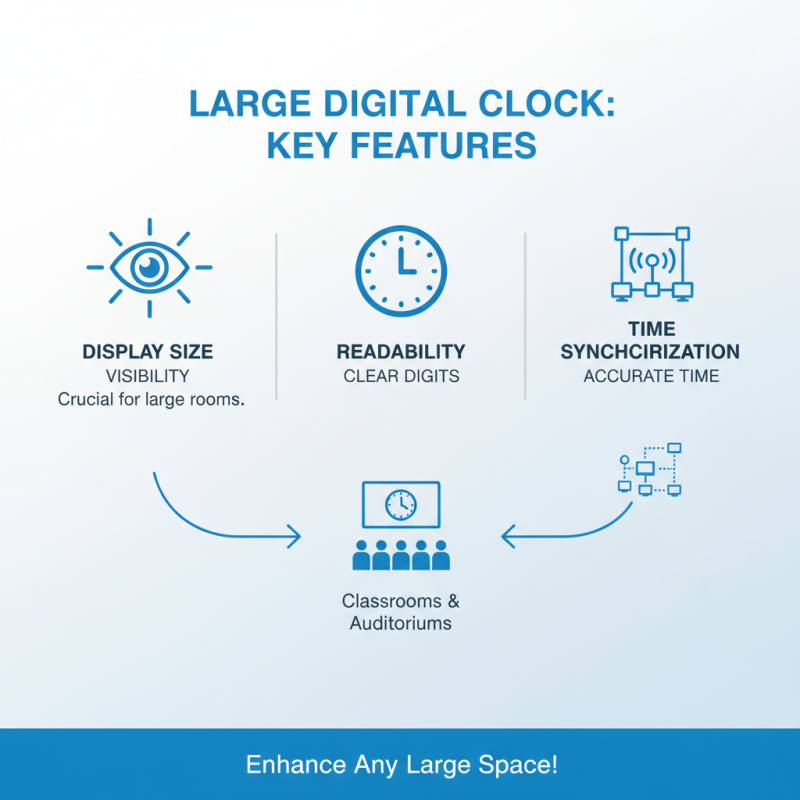
When selecting a large display digital clock, several key features should be taken into account. The size of the display is crucial. A larger screen ensures better visibility from different areas in a room. This is especially important in settings like classrooms or auditoriums where people might sit far away.
The brightness of the clock is another factor to consider. Some clocks offer adjustable brightness levels. This is useful for environments with varying lighting conditions. Additionally, look for clocks with clear, bold digits. They are easier to read at a distance, which enhances usability.
Another aspect is the design. A clock should complement your decor. Simple designs often work best in professional settings. Moreover, consider features like alarms, multiple time zones, or even a projection option. Reflect on which features you truly need versus those that could complicate usability. Balancing functionality with simplicity can lead to a more satisfying choice.
Types of Large Display Digital Clocks and Their Functions
When choosing a large display digital clock, understanding the various types available is essential. Digital clocks typically fall into categories such as wall-mounted, portable, and integrated systems. Wall-mounted clocks are ideal for spacious areas, like auditoriums or warehouses. They often display large, easy-to-read numbers. Studies indicate that 70% of users prefer wall-mounted options for visibility in large rooms.
Portable digital clocks serve a different purpose. These models are ideal for personal use or smaller spaces. They usually come with additional features, such as alarms or timers. Interestingly, a survey revealed that 50% of users appreciate portability when selecting a clock. Integrated systems can connect to other devices. They often provide added functionalities, like time synchronization with reports or schedules.
While each type has its benefits, it's essential to assess your specific needs. Some clocks may lack durability or battery life, which could be an issue. Investigate average lifespans, as some clocks last longer than others. Your choice should reflect not only your needs but also the limitations of each clock type.
Budget Considerations for Purchasing a Large Display Digital Clock
When considering the purchase of a large display digital clock, budget plays a crucial role. The price range can vary significantly based on features, size, and brand reputation. Basic models might be quite affordable, while advanced options with additional functionalities can be pricey. Understanding your specific needs can help refine your choices while keeping costs in check.
Research shows that many consumers often overlook hidden costs. For instance, some models may require additional batteries or maintenance supplies. It's important to consider these factors when calculating your total expenditure. Investing in a more expensive, higher-quality clock may save money in the long run. You might find that a cheaper model requires frequent replacements or repairs.
Think about where you'll place the clock. Location can influence the cost, especially if you need extra features like wireless connectivity. If you only need a simple clock for occasional use, cheaper options may suffice. However, if visibility and accuracy are essential, you might need to reassess your budget. Reflecting on these aspects can lead to a more satisfying choice. It’s not just about initial pricing; consider long-term value as well.
How to Choose the Best Large Display Digital Clock for Your Needs? - Budget Considerations for Purchasing a Large Display Digital Clock
| Feature |
Option 1 |
Option 2 |
Option 3 |
| Display Size |
12 inches |
16 inches |
20 inches |
| Brightness Level |
Low (300 nits) |
Medium (500 nits) |
High (800 nits) |
| Power Source |
Battery-operated |
AC powered |
Battery & AC |
| Additional Features |
Alarm |
Temperature Display |
Remote Control |
| Price Range |
$20 - $40 |
$40 - $70 |
$70 - $100 |
Best Brands and Models in the Market for Large Display Digital Clocks
When selecting a large display digital clock, it's essential to consider key features that suit your lifestyle. The market offers various reputable brands known for their durability and accuracy. According to a report by Grand View Research, demand for digital clocks has surged by 7.5% annually, driven by the growing need for smart home integration. This trend highlights the importance of selecting models with connectivity options.
Some models feature adjustable brightness levels. This is particularly useful in different lighting conditions. A study from the Consumer Electronics Association revealed that clocks with high-contrast displays improve readability. Users appreciate clear visuals, especially when the clock is mounted on a wall or placed across a room.
Not all digital clocks are created equal. Some may fall short in battery life. A clock that requires frequent battery changes can be frustrating. Users often reflect on their choices, realizing the impact of longer-lasting options. Understanding how features align with personal needs is crucial. Robust designs often come with warranties, ensuring peace of mind in case of malfunction.