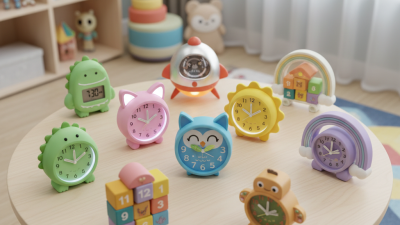
Why Choose a Kids Clock for Better Sleep?
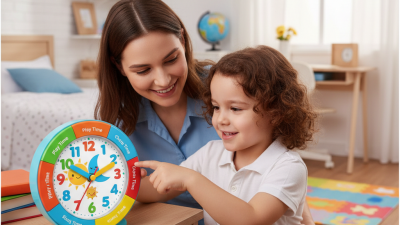
A Kids Clock can turn an abstract bedtime rule into something children can see. Instead of asking, “Is it morning yet?” a child can watch a simple image change from a sleeping moon to a bright sun. This small visual cue may reduce repeated wake-ups and make mornings less confusing. It can also help parents create a calmer, more predictable routine.
Pediatric sleep expert Dr. Harvey Karp has said, “Sleep is a skill that can be learned.” A Kids Clock supports that learning by linking sleep expectations with a clear daily signal. Parents can introduce it during story time, then explain what each color or picture means. For example, a blue moon can mean staying in bed, while a yellow sun can mean the day has started. Consistency matters more than complicated settings.
It is not magic.
Children develop differently. Some may understand the clock quickly, while others need several weeks of patient reminders. The device should support healthy habits, not replace connection, comfort, or professional advice. A dark bedroom, regular bedtime, limited evening stimulation, and realistic expectations still matter. Parents should also check the clock’s brightness, sounds, materials, and age guidance before buying. These details are easy to overlook.
Used thoughtfully, a Kids Clock can make bedtime boundaries more concrete and less stressful. It may give children a gentle sense of independence. It may also give exhausted parents a few quieter minutes. Results are not guaranteed, but a consistent visual routine can be a practical step toward better sleep.

How Kids Clocks Support Healthy Sleep Habits
A kids clock can turn an abstract sleep schedule into a clear visual signal. For a young child, “wait until seven” may feel confusing at 5:30. A changing color or simple picture gives that instruction a visible shape. This supports healthy sleep habits by reinforcing consistent wake times and bedtime expectations. The clock does not replace adult guidance or a calm routine. It works best beside dim lights, quiet play, and a predictable bedtime.
In family routines, small cues often matter. Set the clock before stories, then explain what each display means. Keep the wording simple: “Red means rest; green means morning.” During the night, avoid bright screens and lengthy conversations. Sleep experts commonly recommend regular schedules, limited evening light, and age-appropriate sleep opportunities. A clock can make those recommendations easier for children to understand and practice. It may also reduce repeated wake-up questions, protecting everyone’s sleep.
Results are not always immediate. Some children watch the light and still call out. That is normal. Adjust the wake time gradually, and check whether naps, anxiety, noise, or discomfort affect sleep. I would not treat the clock as a cure. Persistent insomnia, loud snoring, or breathing pauses need professional assessment. Parents should also review the setting as children mature. A signal that helped at three may feel childish at six. The useful part is not the gadget itself. It is the steady, understandable habit around it.
Key Features to Consider When Choosing a Kids Clock
A kids clock can turn “still dark” into a clear visual cue. That matters because sleep needs vary sharply by age. The American Academy of Sleep Medicine recommends 10–13 hours for children aged three to five. For ages six to twelve, it advises 9–12 hours (Journal of Clinical Sleep Medicine, 2016). Numbers help. However, a clock cannot fix a noisy bedroom, late screen use, or inconsistent routines. It is not a perfect fix.
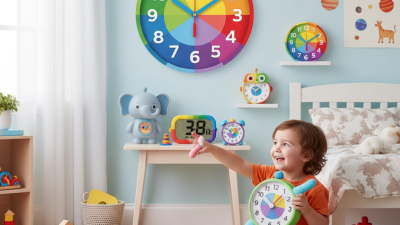
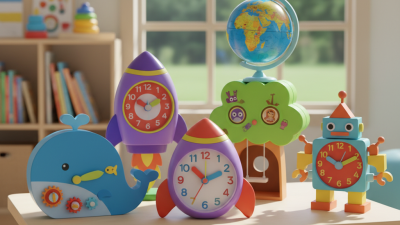
When choosing a kids clock, look for a large display and simple controls. A colored sleep icon can show “stay in bed” without requiring reading skills. Choose adjustable brightness, since glare may become a new sleep disturbance. The National Sleep Foundation’s expert consensus report recommends regular bedtimes and wake times, so programmable schedules are useful. A quiet alarm, gradual light, backup power, and child-safe materials also matter. Avoid loose parts and complicated menus. Offline operation can reduce unnecessary connectivity.
Caregivers should test the clock beside the bed for brightness, sound, and reach. One week of notes may show whether wake-ups decrease or merely move earlier. That distinction matters. I would not treat the device as medical equipment. Persistent daytime sleepiness, loud snoring, or breathing pauses require advice from a pediatric professional. Even the best settings can fail when adults change them too often. Children need repetition, but families need flexibility too.
Why Choose a Kids Clock for Better Sleep?
Key features to consider when choosing a kids clock
A kids clock can support a consistent sleep routine by making wake-up and bedtime cues easier to understand. Look for age-appropriate settings, a clear visual signal, adjustable brightness, quiet operation, and reliable scheduling. The chart shows the recommended total sleep range per 24 hours, including naps where applicable.
Sleep recommendations are based on consensus guidelines from the American Academy of Sleep Medicine.
How Visual Time Cues Help Children Understand Sleep Schedules
Why Choose a Kids Clock for Better Sleep?
A visual clock can make bedtime easier for children who cannot read regular time. Instead of showing only numbers, it can display simple signals, such as a moon for sleep and a sun for morning. These images turn an abstract schedule into something children can see and remember. A child may ask, “Is it morning yet?” The clock offers a steady answer.
Parents can set the sleep signal for the same time each evening. This consistency helps children connect dim lights, pajamas, and quiet play with rest. Sleep specialists commonly recommend predictable routines because children respond well to repeated cues. A visual clock does not force sleep, though. It supports understanding and reduces repeated questions. That difference matters.
Keep the explanation short. “Moon means stay in bed” is often enough.
Place the clock where the child can see it without leaving bed. Some children understand it within days; others need weeks. Expect mistakes. A child may wake early and test the rule, especially after a busy day. Parents should check for hunger, fear, illness, or an unsuitable bedtime rather than blaming the clock. The schedule may need adjustment. It is not a perfect solution. Yet, with patience and age-appropriate expectations, visual time cues can give children more confidence and help families build calmer evenings.
Safety, Comfort, and Age-Appropriate Design
Why Choose a Kids Clock for Better Sleep?
Safety, Comfort, and Age-Appropriate Design
A children’s clock can make bedtime feel predictable instead of mysterious. This matters because the American Academy of Sleep Medicine recommends 10–13 hours for preschoolers and 9–12 hours for children aged 6–12. A clear visual signal, such as a moon for sleep and a sun for wake-up, helps young children understand time without reading a clock. It also gives parents a calmer bedtime routine.
Safety should guide every design decision. Choose rounded edges, stable construction, soft brightness, and controls that children cannot easily change at night. Avoid loud alarms and flashing displays. The American Academy of Pediatrics advises removing electronic distractions from bedrooms and stopping screen use before bedtime. A clock should support that advice, not become another glowing toy beside the pillow.
Comfort also depends on age. A toddler may need large icons and one simple color change. An older child may prefer readable numbers and adjustable brightness. The National Sleep Foundation’s 2023 Sleep in America report highlights how sleep routines and bedroom conditions influence children’s rest. Still, a clock is not a cure. I have seen families expect too much from one device. Consistent wake times, dim rooms, and patient reassurance remain important. Some children may resist the new routine at first. That is normal.
Ways to Introduce a Kids Clock into a Bedtime Routine
A kids clock works best when it becomes part of a predictable bedtime routine, not a punishment tool. The American Academy of Sleep Medicine recommends 9–12 hours of sleep for children aged 6–12. A visible morning signal can help protect that sleep window (Journal of Clinical Sleep Medicine, 2016).
Place the clock beside the bed, where the child can see its changing color or symbol. Explain it during the daytime. Say, “When the moon appears, your body rests. When the sun appears, you may get up.” Keep the explanation simple. Then practise with a short role-play before bedtime. Start with a realistic wake time, such as 6:30 a.m., rather than demanding silence all night.
Connect the clock with familiar steps: bath, pajamas, two books, and lights out. Use the same order each evening. Praise the child for staying in bed, even if the result is imperfect. A sticker or morning hug may work better than a prize. Avoid changing the clock time every morning. Consistency matters.
The National Sleep Foundation’s sleep guidance also emphasizes regular schedules and calming routines for children. Still, a clock cannot solve every sleep problem. Fear, nightmares, illness, or an unsuitable bedtime may need different support. I would review the routine after one week, because the first setting may be too ambitious. If a child regularly snores, struggles to breathe, or remains unusually tired, consult a qualified pediatric healthcare professional.
Why Choose a Kids Clock for Better Sleep? - Ways to Introduce a Kids Clock into a Bedtime Routine
Age-based sleep planning and practical ways to introduce a kids clock
| Child's Age |
Recommended Sleep in 24 Hours |
How a Kids Clock Can Help |
Suggested Introduction Method |
Bedtime Routine Example |
| 4–12 months |
12–16 hours, including naps |
Supports a consistent visual cue for the start of quiet time; it should not replace responsive infant care. |
Use the clock mainly as a parent reminder for the same calming sequence each evening. |
Dim lights → feed → diaper change → short book or song → sleep space. |
| 1–2 years |
11–14 hours, including naps |
Creates a predictable signal that bedtime is approaching and helps limit repeated requests. |
Introduce one simple cue, such as a moon icon or a soft color, and explain it with the same words every night. |
Tidy toys → wash → pajamas → two books → lights out. |
| 3–5 years |
10–13 hours, including naps |
Makes the difference between “sleep time” and “wake-up time” easier to understand visually. |
Practice during the day: point to the wake-up symbol and explain that the child may leave the room only when it appears. |
Toilet → brush teeth → pajamas → quiet play or reading → clock check → bed. |
| 6–12 years |
9–12 hours |
Encourages independence by making the evening schedule visible without relying on repeated adult reminders. |
Let the child help choose the displayed cue and agree on clear rules for reading, bathroom visits, and getting up. |
Prepare school items → wash and brush → screen-free wind-down → reading → clock check → sleep. |
| 13–18 years |
8–10 hours |
Can support self-management of a regular sleep and wake schedule, especially when paired with reduced evening screen use. |
Use the clock as a planning tool rather than a reward or punishment; review the schedule together. |
Finish homework → prepare for tomorrow → personal care → relaxing activity → lights out. |
Implementation checklist: Keep the clock easy to see, use the same explanation every day, pair it with a consistent bedtime routine, and adjust expectations to the child’s developmental stage. A visual clock supports routines but does not replace adequate sleep, caregiver reassurance, or professional advice when persistent sleep problems occur.
Data source: Recommended sleep durations are based on the consensus recommendations of the American Academy of Sleep Medicine, endorsed by the American Academy of Pediatrics. Sleep needs vary among individual children.