Why Choose an Elderly Clock for Better Time Management?
In our fast-paced world, managing time effectively is crucial, especially for the elderly. An "Elderly Clock" can play a vital role in this aspect. Richard Thompson, a well-known expert in geriatric care, once stated, "A good clock does more than tell time; it nurtures independence."
Elderly clocks are designed specifically for seniors. Their large numbers and simplified interface make it easier to read. With alarms and reminders, these clocks help seniors remember important tasks. They encourage a routine, which can bring structure to daily life. Unfortunately, many overlook their potential benefits.
Some may think a regular clock suffices. However, the unique features of an elderly clock address specific needs. They reduce anxiety surrounding time management. Having a functional tool can empower seniors. Still, it's essential to choose the right model, reflecting individual needs and preferences. Remember, every choice influences well-being.
Understanding the Concept of Elderly Clocks in Time Management
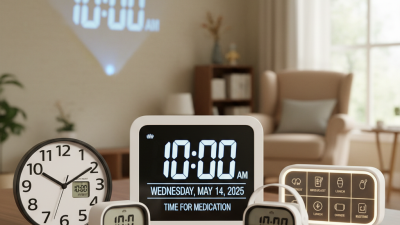
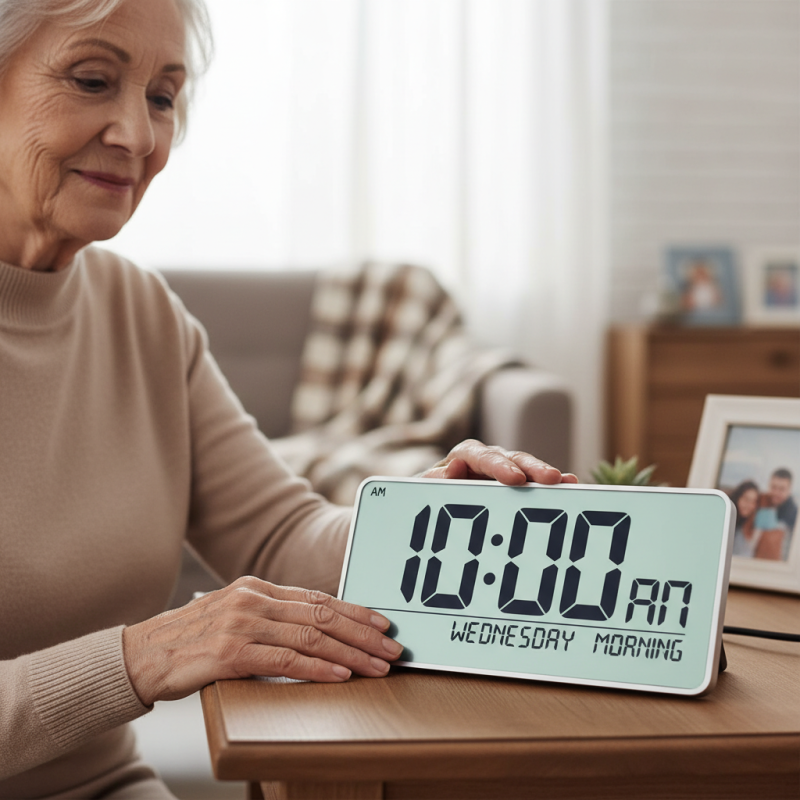
Elderly clocks, designed specifically for seniors, play a vital role in time management. These clocks are not ordinary. They feature larger displays and simpler interfaces. This makes it easier for the elderly to read time and stay on schedule. Imagine a clock that not only tells time but also reminds one of important tasks. A daily routine can be less chaotic with such tools.
As we age, grasping time can become a challenge. Memory may slip, and daily tasks can seem overwhelming. An elderly clock can help bridge this gap. Visual cues from these clocks assist seniors in structuring their day. They promote independence and can spark a sense of accomplishment. However, it is crucial to recognize that reliance on such devices may also lead to less engagement with traditional methods.
Adjusting to new technologies can be daunting. Some may resist using them, fearing it highlights their age. Reflecting on this, it’s essential to create a balance. While these clocks provide valuable assistance, they should not replace personal connections or daily interactions. Time management is holistic, involving devices and human engagement.
Why Choose an Elderly Clock for Better Time Management?
| Feature |
Benefit |
Usage Tips |
| Large Display |
Easier to read for seniors |
Place in well-lit areas |
| Audible Alarms |
Reminders for medications and activities |
Set multiple alarms for different tasks |
| Simple Controls |
Minimized confusion during setup |
Use a user manual for troubleshooting |
| Visual Cues |
Helps in time-oriented tasks |
Utilize color coding for different activities |
| Activity Reminders |
Encourages routine adherence |
Integrate with daily schedule |
Key Features of Elderly Clocks that Enhance Usability
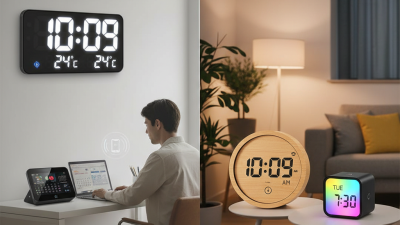
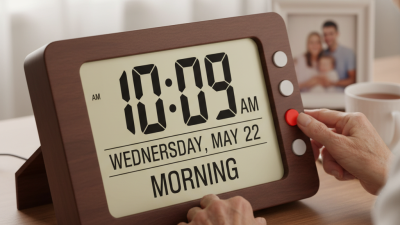
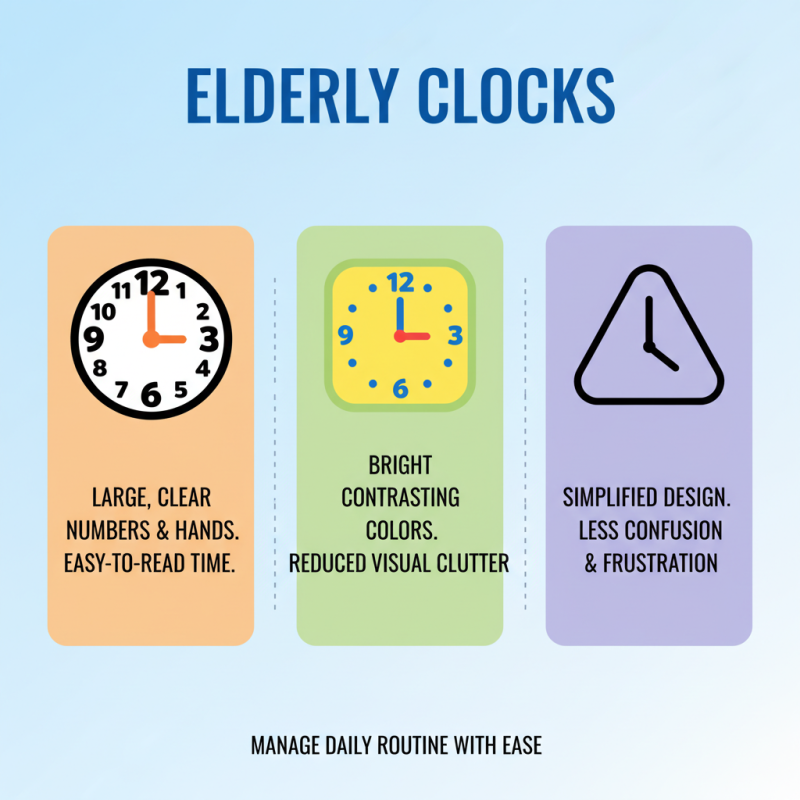
Elderly clocks are designed to improve time management for seniors. These clocks often feature larger displays that are easy to read, with bold, clear numbers. High-contrast colors help to minimize visual strain, making it easier for older adults to tell the time at a glance. Many of these devices also include extra features like alarms and reminders, which are crucial for daily routines.
Tips: Look for clocks with adjustable brightness settings. This allows for better visibility in different lighting conditions. A night mode can also help reduce glare in dark rooms.
Another useful feature is a simple interface. Some elderly clocks come with minimal buttons and straightforward functions. This minimizes confusion when setting alarms or changing settings. Feedback from users highlights that an intuitive design can significantly enhance usability.
Tips: Consider feedback from seniors when choosing a clock. Their experiences can guide you toward the best options. Also, think about durability. A well-built clock can withstand daily use better.
Elderly clocks provide a lifeline for better time management. They offer not just timekeeping, but also essential reminders and warmth in daily life. While they may not be perfect for everyone, thoughtful design can make a difference.
Key Features of Elderly Clocks That Enhance Usability
Benefits of Using Elderly Clocks for Seniors' Time Management
Elderly clocks serve a unique purpose in helping seniors manage their daily time. These clocks often feature large, clear numbers that are easy to read. Bright colors can help highlight the time. Simplified designs eliminate distractions, making it easier to focus. This clarity reduces frustration when checking time.
Using an elderly clock can create a structured environment. Seniors can better plan their day with visual reminders. For example, a clock showing AM and PM can help prevent confusion. Regular routines become more manageable, enhancing independence. Yet, some may struggle to adapt to this change. They might feel resistant at first.
Time management is vital for maintaining a balanced lifestyle. Elderly clocks can facilitate this, but they are not a catch-all solution. Family involvement is important. Discussing the benefits of these clocks can motivate seniors. In the end, finding the right time management tools is a personal journey.
Comparative Analysis: Elderly Clocks vs. Traditional Timekeeping Devices
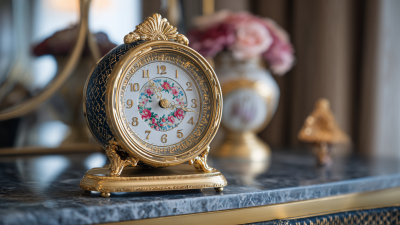
Choosing an elderly clock can greatly improve time management. Compared to traditional timekeeping devices, elderly clocks offer unique advantages. Many feature large, clear displays. This makes reading time easier for seniors with vision impairments. Traditional devices often rely on smaller fonts, which can be challenging.
Reports suggest that nearly 40% of seniors struggle with managing time effectively. Elderly clocks often come with additional features like alarms and reminders. This functionality can help users stay on schedule, maintaining routines. A simple visual alarm can prompt medication intake, ensuring health and safety.
Tips for selecting the right clock include looking for easy-to-use buttons. A user-friendly interface can make a significant difference. Choose clocks with bold colors that contrast well with the background. This can enhance visibility and make it easier for seniors to tell time.
Not all elderly clocks are alike. Some may have overly complex settings. Users could find themselves frustrated and confused. Always test a clock before purchasing. Doing this helps ensure it meets specific needs.
Practical Tips for Implementing Elderly Clocks in Daily Routines
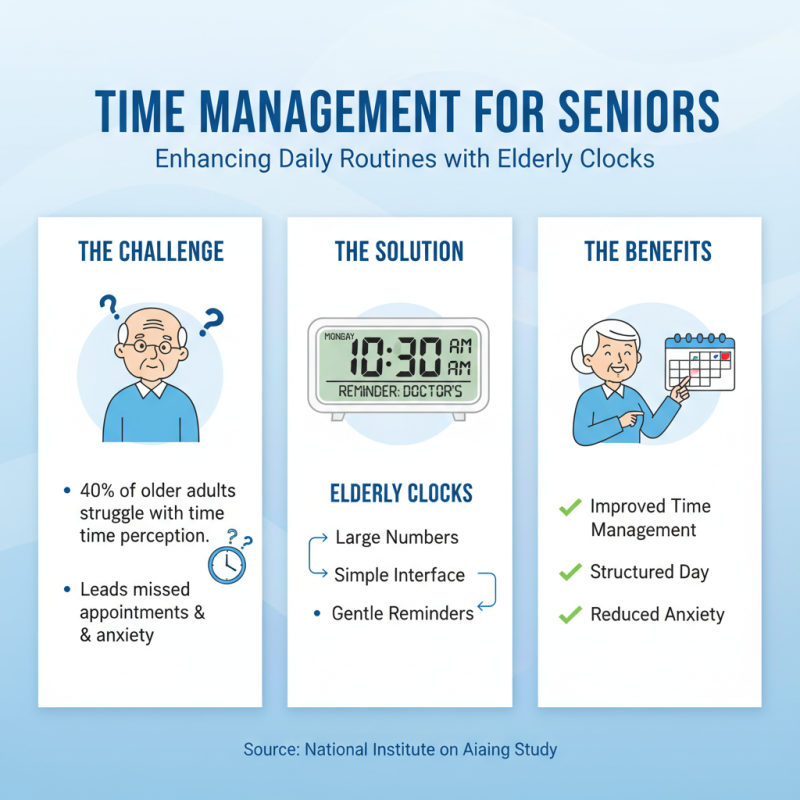
Implementing elderly clocks in daily routines can significantly enhance time management. These clocks often feature large numbers and simple interfaces, making them easier for seniors to read and use. According to a study by the National Institute on Aging, approximately 40% of older adults struggle with time perception, which can lead to missed appointments and increased anxiety. An elderly clock can serve as a gentle reminder, helping to structure their day effectively.
In practical terms, placing these clocks in high-visibility areas like the kitchen or living room can be beneficial. Setting alarms for medication times can ensure adherence to health routines. Research shows that 60% of seniors who use visual aids, like elderly clocks, report better organization in their daily lives. However, some may feel overwhelmed by the new addition, indicating a need for gradual adaptation. Encouragement from family members can aid in this transition, creating a supportive environment for better time management.
Broken routines can lead to frustration. If the elderly clock is not integrated smoothly, it may sit unused. Regular conversations about its benefits can help reinforce its purpose. Involving seniors in choosing the clock style can increase their engagement and willingness to embrace this tool. Transitioning to a more organized daily life is a process that requires patience and reflection.