How to Choose the Best Clock for Elderly Needs and Improve Time Management
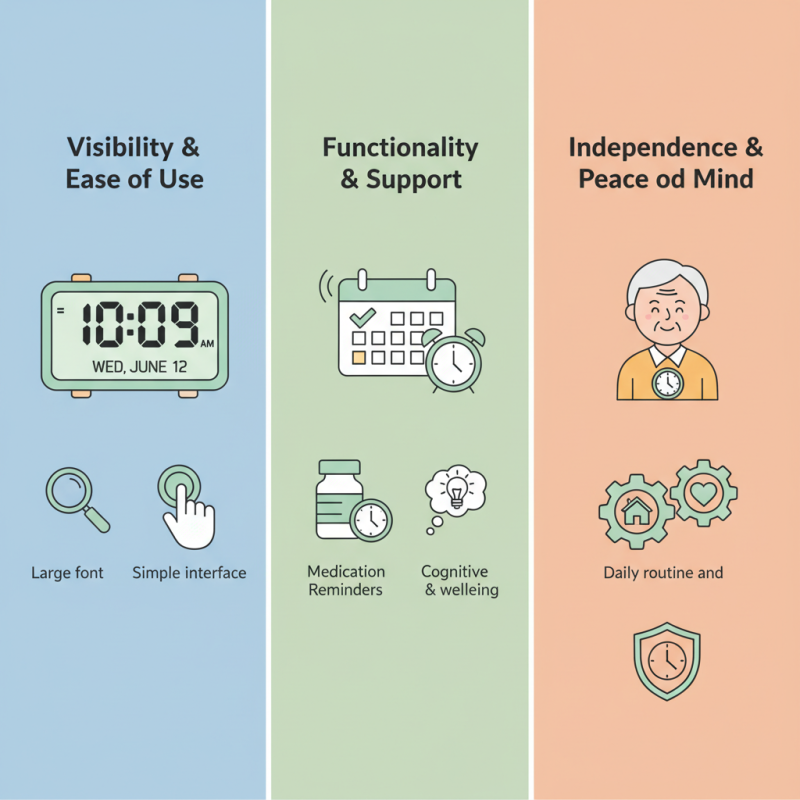
Choosing the right clock for the elderly can significantly enhance their daily lives and help improve time management. As we age, many individuals may face challenges with cognitive functions, including memory and perception of time. An "Elderly Clock" can serve as more than just a time-telling device; it can act as a critical tool in maintaining independence and providing peace of mind to both the elderly and their caregivers.
When selecting the best clock for elderly needs, one must consider various factors such as visibility, functionality, and ease of use. A well-designed elderly clock should feature large, clear numbers and simple interfaces to avoid confusion. Additionally, incorporating features such as alarms or reminders can be extremely beneficial for medication schedules or appointments, thereby promoting better time management skills among seniors.
In this guide, we will explore essential features, practical considerations, and tips for identifying the perfect elderly clock to suit individual needs, ensuring that seniors can navigate their routines with confidence and ease, thereby enriching their quality of life.
How Clock Design Impacts Cognitive Function in the Elderly
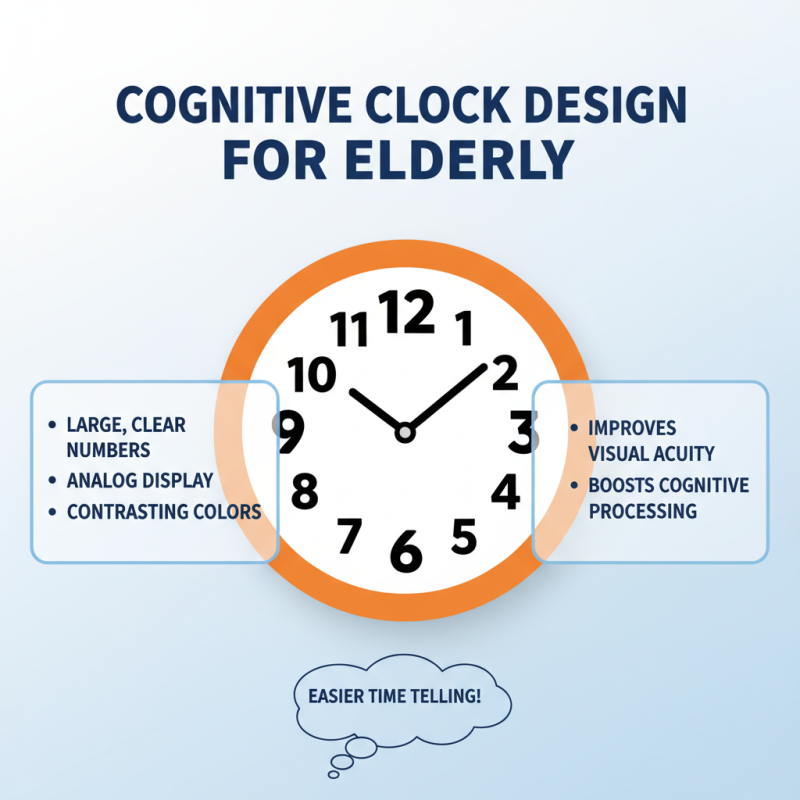
The design of clocks plays a crucial role in enhancing cognitive function among the elderly. As individuals age, they may experience declines in visual acuity and cognitive processing speed, making it essential for clock designs to cater to these challenges. Clocks that feature clear, large numbers and analog displays can significantly aid in quick recognition, allowing seniors to easily discern the time without straining their eyesight. Additionally, the use of contrasting colors can further improve visibility, reducing the cognitive load as they attempt to interpret what they see.
Beyond basic visibility, the incorporation of intuitive features such as simple, straightforward interfaces can greatly support seniors in managing their time. Clocks that provide auditory cues, such as hourly chimes or verbal time announcements, help reinforce time awareness, contributing positively to cognitive function. Moreover, clocks designed with reminders for medication, appointments, or activities can serve as practical tools for improving organization and minimizing the chance of forgetfulness. By addressing the unique cognitive needs of the elderly, thoughtful clock design can enhance their ability to manage daily tasks while supporting their overall mental acuity.
Key Features to Look for in Clocks for Seniors' Ease of Use
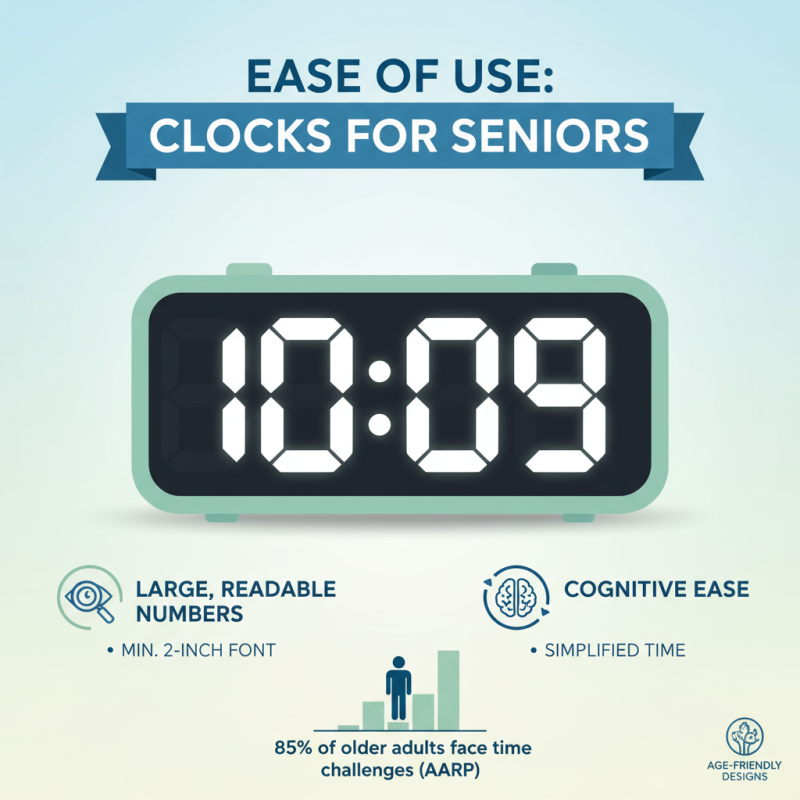
When selecting a clock for elderly individuals, ease of use should be a primary consideration. According to research conducted by the AARP, an estimated 85% of older adults experience challenges with time management due to cognitive decline or visual impairments. Thus, having a clock that features large, easy-to-read numbers is essential. Clocks with a minimum font size of 2 inches can significantly enhance readability for those suffering from common age-related vision issues, such as presbyopia.
In addition to large numbers, clocks that offer distinct colors for different times of the day can further aid seniors in managing their time effectively. A study from the Aging & Mental Health Journal indicates that using color-coded displays can help reduce confusion and improve overall time orientation among older adults. Furthermore, clocks that incorporate auditory cues, such as chimes or voice announcements, can be incredibly beneficial, allowing seniors to receive verbal reminders for important tasks throughout the day. These features collectively help create a more accessible and user-friendly time management tool tailored to the needs of the elderly.
Industry Statistics on Time Management Challenges Faced by Older Adults
Time management can be particularly challenging for older adults, as various studies indicate that around 60% of seniors struggle with keeping track of time due to cognitive decline and distractions. These challenges may lead to missed appointments, medication errors, or difficulties in maintaining daily routines. Simple yet effective solutions can improve time management for the elderly, allowing them to gain greater independence and enhance their quality of life.
One of the best strategies involves selecting clocks that feature large, clear numbers and simple functions. This caters to the visual and cognitive needs of older adults, making it easier to read and understand the time. Additionally, incorporating reminders and alarms can help seniors stay on schedule with their activities and medications. Consider using clocks with distinct sounds or vibrations to alert them effectively.
Another tip is to establish a daily routine with designated times for meals, activities, and rest. Visual aids like calendars or planners, alongside their clocks, can reinforce time awareness. Encouraging seniors to engage with their time management systems regularly ensures they remain connected and aware of their schedules. Together, these tools and practices can significantly ease the time management challenges faced by older adults.
Time Management Challenges Faced by Older Adults
The Importance of Visual Clarity and Audibility in Elderly Clock Selection
When selecting a clock for elderly individuals, two essential factors come into play: visual clarity and audibility. As people age, their eyesight and hearing may decline, making it crucial for clocks to feature large, legible numbers and high-contrast designs. This ensures that the time can be read easily without straining the eyes. Whether it’s a wall clock, alarm clock, or bedside clock, opting for models that prioritize these characteristics can significantly enhance the user experience.
Tips: Look for clocks with oversized digits and simple, easy-to-read fonts. Avoid overly decorative designs that might hinder visibility. Additionally, consider models with adjustable brightness settings to suit different lighting conditions, especially for those who may be sensitive to glare or dimness.
Audibility is equally important in clock selection. Clear, loud alarms and chimes can help alert seniors without causing confusion. Clocks that feature adjustable volume settings allow users to personalize their experience based on their hearing capabilities. Some clocks even offer vibrating alerts, which can be beneficial for those who may have severe hearing loss.
Tips: Choose a clock that has various sound settings to accommodate individual needs. Clocks with multiple alarm options can also help establish a routine, making it easier for seniors to manage their time effectively throughout the day.
Comparative Analysis of Digital and Analog Clocks for Senior Needs
When considering the needs of elderly individuals, the choice between digital and analog clocks plays a crucial role in enhancing their time management skills. Digital clocks often come with larger numbers and bright backlighting, making it easier for seniors with visual impairments to read the time. Additionally, many digital clocks have features like alarms, reminders, and even the ability to display the date and temperature, which can be beneficial for older adults who may need reminders for medication or appointments.
On the other hand, analog clocks have a timeless appeal and offer a visual representation of time progression that some seniors may find intuitive. The dial and moving hands can help them understand the concept of elapsed time more effectively, which can be especially useful for those who have cognitive difficulties or memory concerns. Furthermore, analog clocks can often be simpler in design, reducing potential confusion from overly complex features often found in digital counterparts. Ultimately, the best choice between digital and analog for elderly needs depends on individual preferences, visual capabilities, and specific requirements for time management.
How to Choose the Best Clock for Elderly Needs and Improve Time Management - Comparative Analysis of Digital and Analog Clocks for Senior Needs
| Feature |
Digital Clock |
Analog Clock |
| Ease of Reading |
Large, clear numbers; easy to read |
Can be difficult for some to read |
| Visual Design |
Various designs available; often more modern |
Classic design; may suit traditional tastes |
| Sound Features |
Can include alarms, talking features |
Typically silent; ticking may be distracting |
| Power Source |
Battery or plug-in options |
Usually battery-operated |
| Functionality |
Additional features like date, temperature |
Generally just shows time |
| Training Requirement |
Easy to understand with minimal training |
May require understanding of clock hands |