Leave Your Message

China Best Dementia Clock Manufacturers for Global Buyers

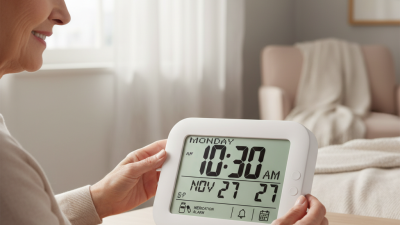
China’s manufacturers supply a wide range of clocks designed to make daily routines easier for people living with dementia. A Dementia Clock often shows the day, date, and time in large, high-contrast text. Some models add configurable alarms, reminders, or different display modes. These features can help users orient themselves, but they do not replace personal care or clinical advice. Small details matter.

For global buyers, selecting a supplier takes more than comparing product photos and unit prices. Check whether the manufacturer can provide clear specifications, consistent sample quality, and dependable production records. Ask about screen size, viewing angle, language options, power requirements, packaging, and available customization. Request a sample and test it in a realistic room, including at night and from a bed or chair. A readable display in a catalog may look different under warm household lighting.

This guide introduces China-based Dementia Clock manufacturers and the questions buyers can use to assess them. It considers product range, manufacturing capability, quality checks, communication, and export support. Buyers should confirm current certifications and destination-market requirements directly with each supplier, since these vary by product and country. Claims deserve careful checking. A promising factory may still have gaps in documentation, lead-time estimates, or after-sales support. Comparing evidence—not promises—helps buyers make a more reliable sourcing decision.
China Best Dementia Clock Manufacturers for Global Buyers

Understanding Dementia Clocks and Their Uses

A dementia clock displays more than the time. It may show the day, full date, and whether it is morning, afternoon, or night. These cues can help someone who finds ordinary clock faces confusing. Clear lettering and strong contrast are often easier to read from across a bedroom.

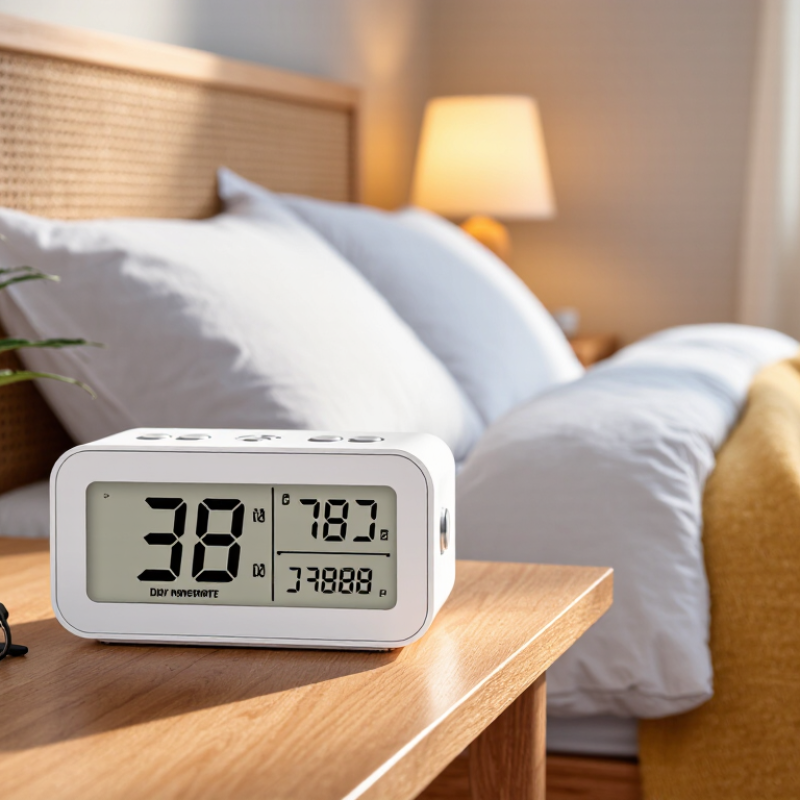
That detail matters. A person may mistake Tuesday morning for evening, especially after waking from a nap. A large display can offer a steady visual reminder without requiring them to operate a phone. Place it where the person naturally looks, such as beside the bed or near a favorite chair. Keep the screen free from glare, and check that its brightness feels comfortable at night.

A clock is a support, not a treatment or a substitute for personal care. Its usefulness varies with vision, memory, and daily habits. Some people respond well to written prompts; others may ignore them or feel unsettled by repeated corrections. Observe how the person reacts over several days, then adjust the wording or placement. Small changes can help. The device’s date and time should also be checked regularly, since an incorrect display may create more confusion than reassurance.


Key Features Buyers Should Compare in Dementia Clocks

When comparing dementia clocks, start with how easily the display can be read from a bed or armchair. Large, high-contrast lettering helps, while a simple layout reduces visual clutter. Check whether the screen shows the full day and date, not only the time. “Tuesday morning” may be more useful than a row of small digits. Small details matter. Ask whether brightness can be adjusted for a dark bedroom without making the screen hard to read.

Alarm options deserve close attention. Buyers should check whether reminders can be set for meals, medication, or appointments, and whether the sound is adjustable. A loud alarm may be unsuitable for a shared room. Confirm how the clock behaves after a power cut: does it retain settings, restart automatically, or need manual setup? These details are easy to overlook in a product listing.

For global sourcing, request clear specifications, a user manual, sample units, and information about quality checks. Compare language options, plug types, warranty terms, and replacement-part availability for the target market. A common mistake is assuming every user benefits from the same screen or alarm. Needs vary, and even a feature-rich clock can confuse someone if its menus are complicated. Ask the manufacturer to demonstrate everyday setup, not just display the product’s headline features.

How to Evaluate Chinese Dementia Clock Manufacturers

When evaluating Chinese dementia clock manufacturers, look beyond product photos and quoted prices. A clear display should show the time, day, and date without confusing abbreviations. Ask for sample units and test them in a real bedroom. Check whether large lettering remains readable from across the room, and whether brightness can be adjusted for nighttime use. Test alarm volume, button size, and setup steps with an older adult or caregiver. Small details matter.

Tips: Request written specifications, inspection records, warranty terms, and documents relevant to your destination market. Ask how the factory checks display accuracy and tests power interruptions. Compare a sample with the final production version. A polished brochure is not proof of consistent quality.

Also assess communication and after-sales support. Can the manufacturer explain replacement procedures and lead times clearly? Ask how packaging protects the screen during shipping, then inspect a sample carton for cushioning and damage. Confirm that instructions use plain language and match the supplied controls. If answers are vague, pause before placing a large order. Some evaluation criteria are easy to overlook, and a checklist may still miss a real-world problem; record what you tested and what needs follow-up.

Manufacturing Quality, Customization, and Export Capabilities

For global buyers, a dementia clock should be judged by more than its display. Manufacturing quality shows in clear day-and-date text, even backlighting, responsive buttons, and a casing that stays stable on a bedside table. Ask how suppliers inspect display consistency and test units before shipment. Useful evidence includes written inspection steps, sample records, and clear handling of defects. A clock may look sharp in a showroom, yet small labels can be difficult to read at home.

Customization should solve practical needs, not just change appearance. Buyers may request local language, 12- or 24-hour time, adjustable brightness, suitable power adapters, and packaging instructions for caregivers. Confirm each change on a production sample. Test it in ordinary room lighting and from a seated distance. Small details matter. Custom options can also increase setup time, and not every factory explains that trade-off early enough.

Export capability includes careful packing, consistent documentation, and dependable communication about schedules. Request carton dimensions, manuals in the intended language, and a plan for replacement parts or quality concerns. Ask whether packaging is checked for common handling damage before dispatch. A polished sample is not proof of stable mass production. It is sensible to compare sample performance with a later production batch, even when that adds time.

China Best Dementia Clock Manufacturers for Global Buyers - Manufacturing Quality, Customization, and Export Capabilities
Evaluation Dimension What to Verify Useful Evidence or Buyer Checks Why It Matters to Global Buyers
Display readability Screen size, viewing angle, contrast, brightness, and visibility of the time, day, and date. Review a physical sample in typical indoor lighting; check whether the display can be read from the intended viewing distance. Clear layouts and legible text can make day-to-day orientation easier for users with memory or vision difficulties.
Date and time functions Day-of-week and date display, 12/24-hour format, daylight-saving adjustment, and recovery after power interruption. Test the settings menu and confirm how the clock behaves after unplugging it and reconnecting power. Calendar conventions, time formats, and daylight-saving rules differ among destination markets.
Power and backup Power input, included adapter specifications, battery backup availability, and whether backup maintains settings or the display. Check the product label, adapter markings, user manual, and test results for power-loss behavior. An adapter must suit the destination market’s electrical requirements; backup behavior should be described accurately to customers.
Manufacturing quality controls Incoming-component checks, in-process inspections, final functional testing, and procedures for handling defects. Request written inspection criteria, sample test records, and a description of the process for corrective actions. Documented checks help buyers assess consistency across production batches instead of relying only on a sample unit.
Customization options Supported changes to language, date format, display layout, colors, packaging, and printed instructions. Confirm which changes are standard configuration choices and which require tooling, software changes, or a minimum order quantity. Clear scope, sample approval, and written specifications reduce the risk of mismatched bulk orders.
Safety and regulatory documentation Applicable electrical and electromagnetic-compliance documentation for the exact product and intended sales market. Ask for current reports or declarations, verify the model numbers and test scope, and confirm local requirements independently. Requirements vary by jurisdiction and product configuration; a document for a different model may not apply.
Packaging and transit protection Retail-box contents, protective inserts, carton markings, and packaging suitability for the proposed shipping method. Review a packed sample and confirm product, adapter, instructions, and accessories are secured and correctly listed. Appropriate packaging can reduce transit damage and help ensure buyers receive the expected accessories and documentation.
Export and order readiness Commercial invoice and packing-list accuracy, shipping terms, production lead-time communication, and carton-level product identification. Request a written quotation with specifications, order quantity, lead-time assumptions, shipping terms, and required export documents. Complete, consistent order information supports freight planning and customs clearance; import requirements should be checked for each destination.
After-sales support Warranty terms, replacement-parts availability, troubleshooting materials, and response process for quality claims. Obtain the warranty in writing and agree on the information needed to report defects, such as model, batch, and photographs. Defined support procedures make it easier to manage customer issues across borders and time zones.
Buyer note: This is a supplier-evaluation checklist, not a ranking or certification. Confirm all specifications, compliance documents, order terms, and product claims for the exact model and destination market before purchase.

Sourcing and Import Considerations for Global Buyers

Global buyers sourcing dementia clocks from China should evaluate more than unit price. Check whether the screen shows the full day, date, and time without scrolling. Large, high-contrast characters matter in a dim bedroom. Confirm language options, 12- or 24-hour format, and daylight-saving settings. Ask for a sample and test the button labels, brightness, and setup steps with an older user. Small menu wording can cause real confusion.

Tips: Request a written specification sheet, a sample video, and packaging dimensions. Confirm voltage range, plug type, adapter inclusion, carton quantity, and spare-part availability before approving a purchase order.

Before shipment, align the commercial invoice, product description, and packing list. Verify destination-country import rules and electrical documentation with a qualified customs broker, since requirements vary by market. Agree in writing on inspection criteria, defect allowances, delivery terms, and remedies. Define acceptable screen pixels, clock accuracy, and carton damage. Ask how firmware updates work and whether settings survive a power interruption. Allow time for sample revisions and freight delays; a polished sample does not guarantee every production unit will match it. I would not assume a generic manual is enough. Review the final translated instructions and keep a dated approval copy.