Best Kids Clocks for Teaching Time Fun and Stylish Options for Children
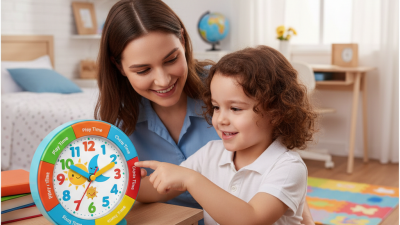
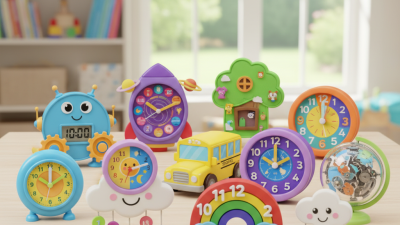
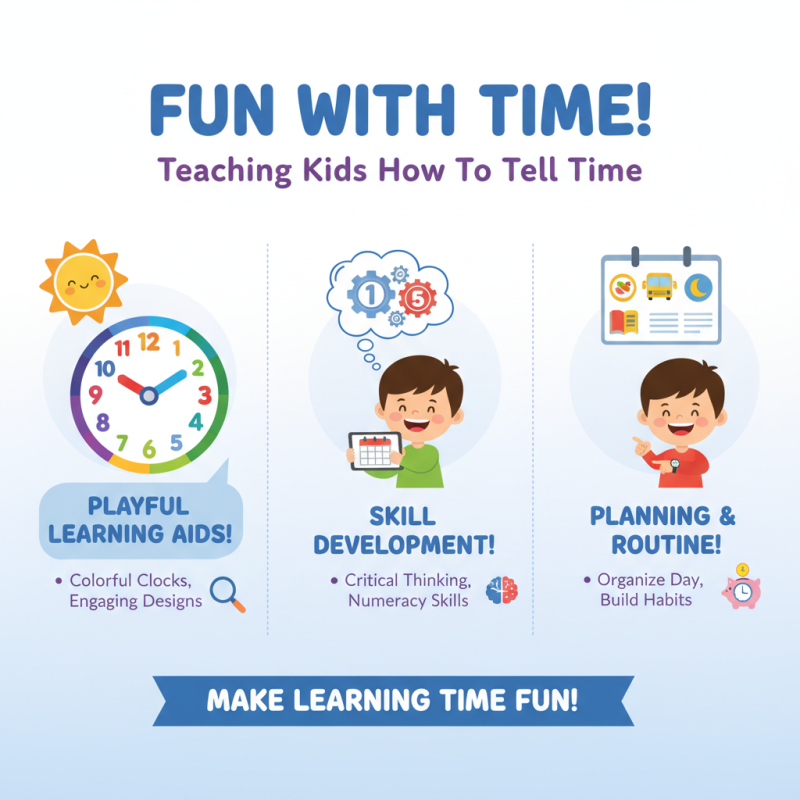
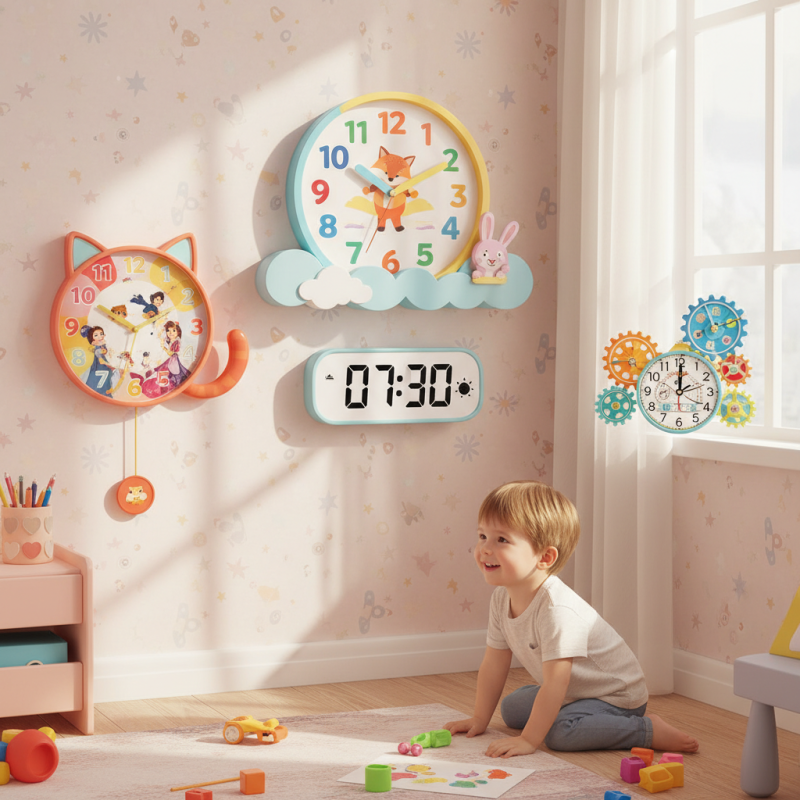
Teaching kids to tell time can be a fun and engaging process. A well-designed kids clock can make all the difference. These clocks come in various colors and shapes, sparking curiosity and interest. Some feature animated characters, while others showcase vibrant patterns. This variety helps children connect their learning with enjoyable visuals.
Finding the right kids clock involves more than aesthetics. Parents should consider functionality too. Does it clearly display both digital and analog formats? Is it easy for little hands to adjust? Such features enhance the learning experience. However, not every option will suit every child’s needs. It’s essential to reflect on what works best for your child’s learning style.
Ultimately, teaching time should be an enjoyable adventure. Clocks that encourage interaction and creativity can lead to better understanding. Kids may initially struggle, but persistence is key. A well-chosen kids clock can inspire confidence in telling time while adding a decorative touch to their room. It’s about balancing fun with effective learning.
Best Features to Look for in Kids' Clocks
When selecting kids' clocks, certain features stand out. Bright colors and fun designs can attract children’s attention. Look for clocks with large, easy-to-read numbers. This helps kids recognize time more effectively. Clocks with moving hands are engaging. They provide a visual representation of how time passes.
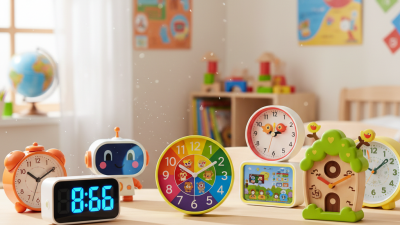
Interactive features can enhance learning. Some clocks offer sounds or songs to indicate time. This makes learning interactive and enjoyable. Consider clocks that have both analog and digital displays. They create a clear connection between the two formats. Additionally, alarms can help children learn responsibility. Setting an alarm teaches time management skills.
Durability is also vital. Kids can be rough with their belongings. A sturdy clock will last longer through bumps and drops. Some clocks even have a night-light feature. This can calm bedtime anxieties while still being functional. Parents often seek a balance between fun and education. Learning time should not feel like a chore. A brightly colored, engaging clock helps make the process easier. Still, it’s essential to encourage kids to practice telling time themselves. Skills develop with use and patience.
Types of Kids' Clocks: Analog vs. Digital
When teaching kids how to tell time, two main types of clocks emerge: analog and digital. Analog clocks feature traditional round faces with hour and minute hands. These clocks help children visualize time's passage. They can learn about the position of the hands and the concept of quarters and halves. Kids may struggle at first, but with practice, it becomes clearer. They can even color-code the hours for added fun.
Digital clocks, on the other hand, display time in numbers. They are often easier for younger children to understand. A simple reading of "3:00" is straightforward. However, children might miss out on learning the nuances of time-telling. Equating numbers with specific times can create a gap in conceptual understanding. Some kids may rely too heavily on digital numbers, leading to confusion with analog clocks later on.
Choosing between these clock types depends on your child's learning style. Mixing both could be beneficial. Each type offers unique advantages. Keep in mind, though, that not every method works for every child. Experimenting can open new pathways to understanding time. Encourage your child to share their thoughts on which type they enjoy more, fostering a sense of engagement.
Best Kids Clocks for Teaching Time Fun and Stylish Options for Children
| Type |
Design |
Features |
Recommended Age |
Price Range |
| Analog |
Colorful Animal Shapes |
Hour and Minute Markers, Learning Guide |
3-8 years |
$15 - $30 |
| Digital |
Bright LED Display |
Alarm Function, Time Projection |
5-12 years |
$20 - $45 |
| Analog |
Cartoon Character Design |
Bright Colors, Movable Hands |
2-7 years |
$10 - $25 |
| Digital |
Interactive Touch Screen |
Games & Time Learning Activities |
6-12 years |
$30 - $60 |
Stylish Designs: How Aesthetics Appeal to Children
Children are naturally drawn to colorful and engaging designs. Research shows that visual aesthetics play a pivotal role in learning. According to a 2022 study by the International Journal of Child Development, children often retain information better when it is presented in visually appealing formats. This suggests that a stylish clock can do more than just tell time; it can enhance a child's learning experience.
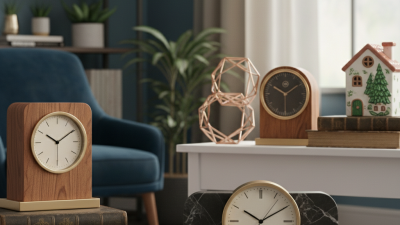
Bright colors and fun shapes invite curiosity. Kids may learn to tell time more efficiently when they can relate to the design. A clock featuring their favorite animals or characters can transform a mundane task into an exciting challenge. However, not all designs succeed. Some may be overly complex or lack clear numbers, making it harder for children to focus. A balance between aesthetics and functionality is crucial for effective learning.
Moreover, the environment matters. Clocks displayed in bright, playful rooms inspire engagement. But, cluttered or overly busy designs may confuse. A detailed report from the Child Psychology Review highlights that environments with harmonious aesthetics foster better attention and learning. This reinforces the idea that parents should choose time-telling tools wisely. A clock should not just be pretty; it must also encourage a child’s understanding of time.
Best Kids Clocks for Teaching Time
Recommended Brands and Models for Kids' Clocks
Teaching children to tell time can be a rewarding experience. The right clock makes a significant impact. Various studies suggest that using visual aids helps children grasp time concepts better. A colorful clock with clear numbers is often more engaging. Many experts recommend clocks with fun designs. These designs can spark interest and make learning enjoyable.
When selecting a clock, consider different features. Some clocks include movable hands, while others use digital displays. Research indicates that interactive clocks can enhance learning by allowing kids to manipulate the time. Features like stickers or colorful faces serve as excellent tools for engagement. In addition, clocks with simple animations can draw attention. They provide a playful element, which is essential for younger audiences.
Choosing clocks suited for teaching time involves some trial and error. Not all models resonate with every child. Some kids might find traditional clocks confusing. Others may prefer digital formats. It’s important to observe what works best. As parents, ensuring that the clock fits the child's learning style is key. Often, it takes multiple attempts to find the ideal teaching tool. Being patient in this process can lead to meaningful learning experiences.