Best Dementia Clock Options for Easy Time Management and Daily Reminders
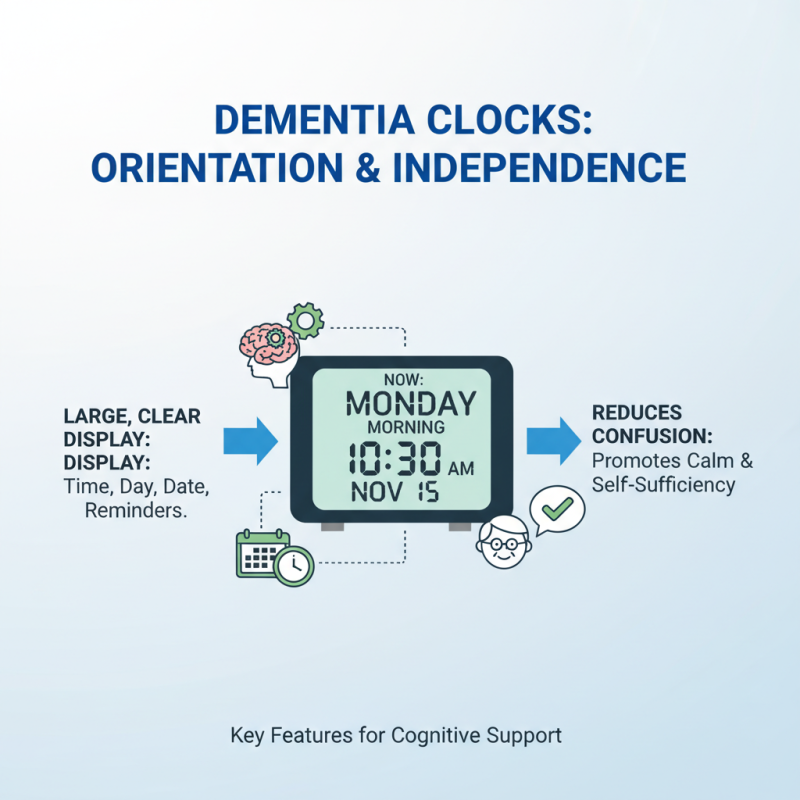
Managing time effectively can be particularly challenging for individuals living with dementia. A Dementia Clock serves as a vital tool in helping them navigate their daily routines, providing clear visual cues for time and daily reminders. These specialized clocks are designed to support cognitive-function impairments by presenting information in a straightforward, intuitive manner. Their features often include large, easy-to-read displays that reflect not only the time of day but also the day of the week and even specific reminders for activities.
As dementia progresses, individuals may experience difficulties in orientation and memory, making familiar daily tasks overwhelming. The use of a Dementia Clock can significantly enhance their ability to manage time, promoting a greater sense of independence and security. By integrating these clocks into daily life, caregivers and family members can help individuals with dementia structure their day more effectively, ensuring they stay on track with activities while minimizing confusion and anxiety. In this guide, we will explore some of the best Dementia Clock options available on the market, tailored to meet the needs of those affected by this condition.
Understanding Dementia Clocks: Features and Benefits
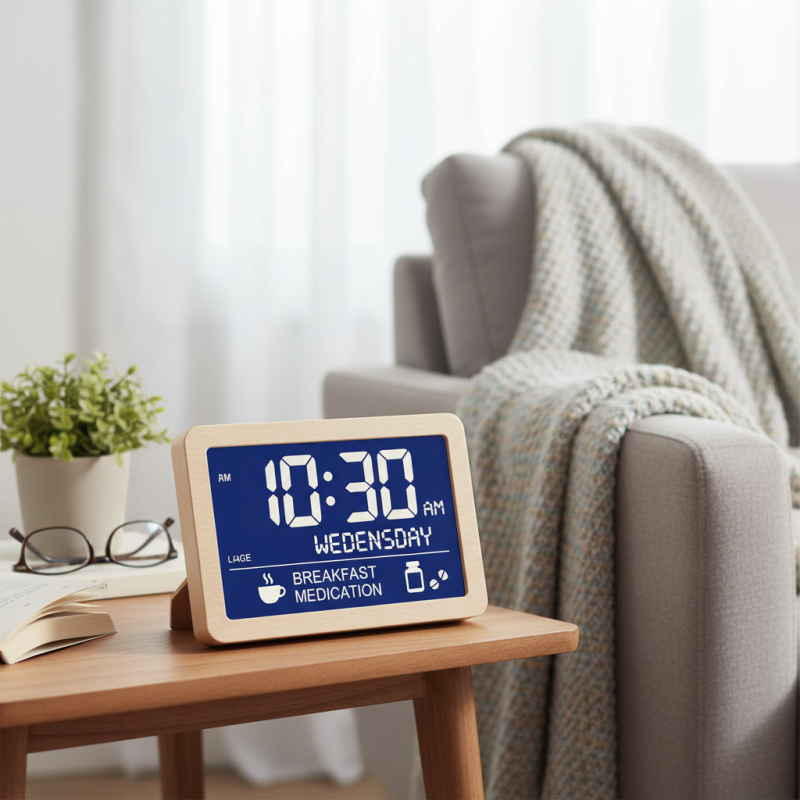
Dementia clocks are specially designed tools that cater to the needs of individuals facing cognitive challenges, helping them manage time and stay oriented in their daily lives. These clocks often feature large, easy-to-read displays that clearly indicate not only the time, but also the day, date, and sometimes even specific reminders. This multi-faceted display reduces confusion and allows users to maintain a better sense of time, which is often distorted in individuals with dementia. The clarity in presentation is crucial for encouraging independence and reducing anxiety around time management.
The benefits of dementia clocks extend beyond mere functionality. Many models also incorporate features such as customizable alarms or medication reminders, which assist caregivers by providing notifications for essential daily tasks. These reminders can be programmed to match the individual’s routine, ensuring important activities are not overlooked. Additionally, some clocks may include varying brightness settings and color coding, which can be adjusted to meet the preferences of users, further enhancing their usability. With these thoughtful features, dementia clocks become more than just timekeeping devices; they transform into pivotal aids in supporting autonomy and fostering a sense of security in daily life.
Types of Dementia Clocks: Comparing Analog and Digital Options
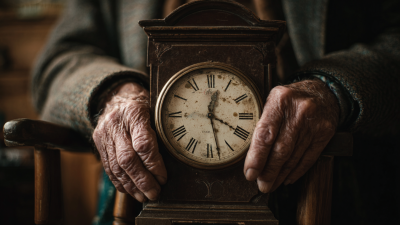
When choosing a dementia clock, it is essential to consider the two primary types: analog and digital. Analog clocks offer a traditional interface that some individuals may find comforting and easier to read. They provide a familiar visual representation of time, which can be beneficial for those with dementia who may have trouble understanding digital displays. According to a study published in the International Journal of Geriatric Psychiatry, familiar stimuli like analog clocks can significantly enhance cognitive recognition for individuals with dementia, helping to reduce anxiety related to time management.
On the other hand, digital clocks present a myriad of advantages that cater to the specific needs of dementia patients. Digital options often come equipped with clear, large fonts and color-coded displays, which can be easier to interpret, especially for those with visual impairments. A report from the Alzheimer’s Association indicates that nearly 60% of caregivers find that simplified displays can help dementia patients maintain a clearer sense of time and daily routines. Moreover, digital clocks can feature programmable reminders and alerts for medications or upcoming activities, which can support independence and promote a sense of normalcy in daily life.
Ultimately, the choice between analog and digital clocks will depend on individual preferences and the specific challenges faced by the person with dementia. Understanding the strengths of each type can help caregivers select the most suitable option to aid in effective time management and daily reminders.
Best Dementia Clock Options for Easy Time Management and Daily Reminders
| Feature |
Analog Clocks |
Digital Clocks |
| Readability |
Visual cues with hands; might be confusing for some |
Clear, straightforward numerical display; easy to read |
| Functionalities |
Simple time display, minimal additional features |
Alarm features, reminders, and multiple display options |
| User-Friendly Design |
Familiar design; may need some description |
Intuitive interfaces; often includes visual reminders |
| Power Source |
Typically battery-operated |
Battery or electric options available |
| Cost |
Generally lower cost |
Varied price points depending on features |
Key Features to Look for in a Dementia Clock
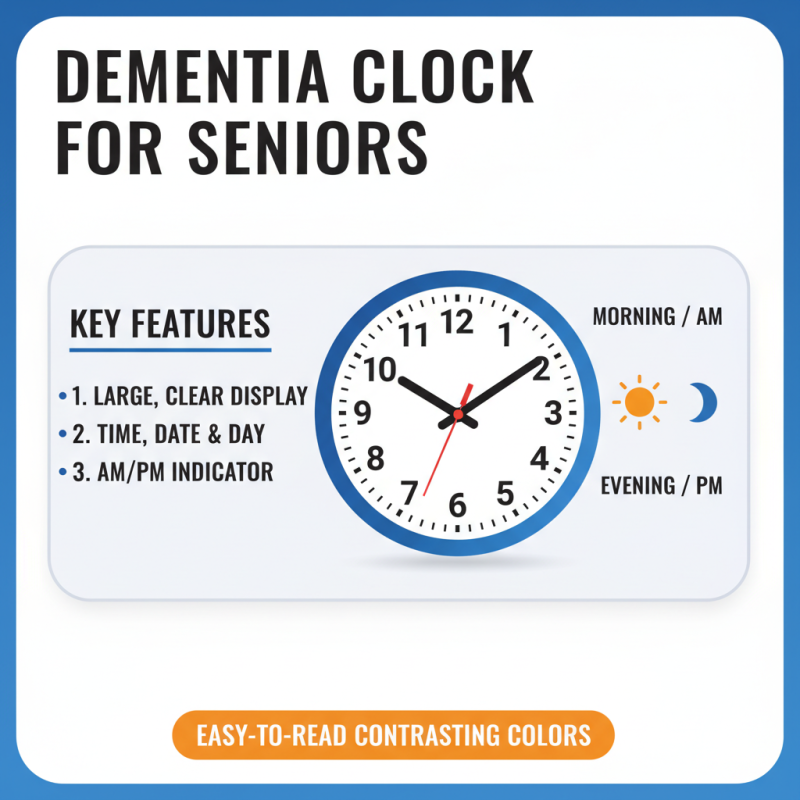
When selecting a dementia clock, there are several key features that can significantly enhance daily time management and aid in memory support. One of the most essential features is a clear and easy-to-read display. Look for clocks that use large fonts and high-contrast colors, which can help users with visual impairments. Additionally, clocks that provide visual cues for not only time and date, but also for morning, afternoon, evening, and night can be particularly beneficial for those with dementia, as they help orient the user throughout the day.
Another important consideration is the inclusion of customizable reminders. A dementia clock that allows for programmable alerts can assist individuals in managing daily tasks such as taking medication, preparing for meals, or attending appointments. These reminders should be clear and simple, ideally with a combination of audible alerts and visual prompts. This feature can empower users and foster a sense of independence as they navigate their daily routines.
Tips: When assessing potential dementia clocks, consider testing the product with the user to ensure they find it intuitive and easy to operate. Also, check for any additional features such as a calendar function or weather updates, which might be useful. Lastly, consider the size and portability of the clock; a unit that can be moved easily from room to room will be more convenient for everyday use.
Best Dementia Clock Brands and Models for Seniors
When selecting the best dementia clock for seniors, it’s essential to consider user-friendly features that cater to their specific needs. Clocks that offer large, clear displays with contrasting colors are invaluable for seniors experiencing cognitive decline. Look for models that prominently display the time, date, and day of the week, as well as easy-to-read AM/PM indicators to help users manage their daily schedules effectively.
Tips for enhancing usability include choosing clocks with automatic brightness adjustment and voice alerts. These features ensure that the information remains easily visible in various lighting conditions and provide gentle reminders throughout the day. Additionally, clocks that come equipped with customizable alarms or reminder settings can significantly aid seniors in managing their routines, whether it’s taking medication or preparing for meals.
Another essential aspect to consider is the design of the clock. Opt for models that combine functionality with aesthetic appeal, as a familiar or pleasant design can provide calming reassurance. Many dementia clocks also feature straightforward controls, ensuring that seniors can easily set or adjust their preferences without frustration. Investing in a clock that promotes independence and confidence can make a notable difference in daily life.
Tips for Using Dementia Clocks for Daily Reminders and Time Management
Using dementia clocks can significantly enhance daily time management and provide essential reminders for individuals coping with dementia. These specially designed clocks display time in clear, large fonts and often include additional features like the date, day of the week, and even reminders for specific tasks. When selecting a clock, it’s important to consider how the visuals and functionalities can cater to the user's specific needs, ensuring that they are user-friendly and easily understandable.
To maximize the effectiveness of a dementia clock, consistency is key. Placing the clock in a prominent location, such as near the kitchen or living area, can serve as a constant reminder of the time and daily activities. Additionally, caregivers can establish routines based on the clock’s cues, such as setting reminders for meals, medication times, or even social activities. Encouraging the user to refer to the clock regularly can help reinforce their understanding of time, making it a valuable tool for fostering independence and managing daily tasks. By integrating the use of a dementia clock into everyday life, caregivers can help create a more structured and reassuring environment for those living with dementia.