Best Dementia Clock Options for 2026 What to Know?
As we move towards 2026, the need for effective tools to aid those with dementia becomes increasingly vital. Dementia Clocks are emerging as essential resources. They provide not only time but also critical reminders for daily activities. Dr. Emily Carter, a leading expert in dementia care, emphasizes, "A good Dementia Clock enhances independence and reduces anxiety for patients."
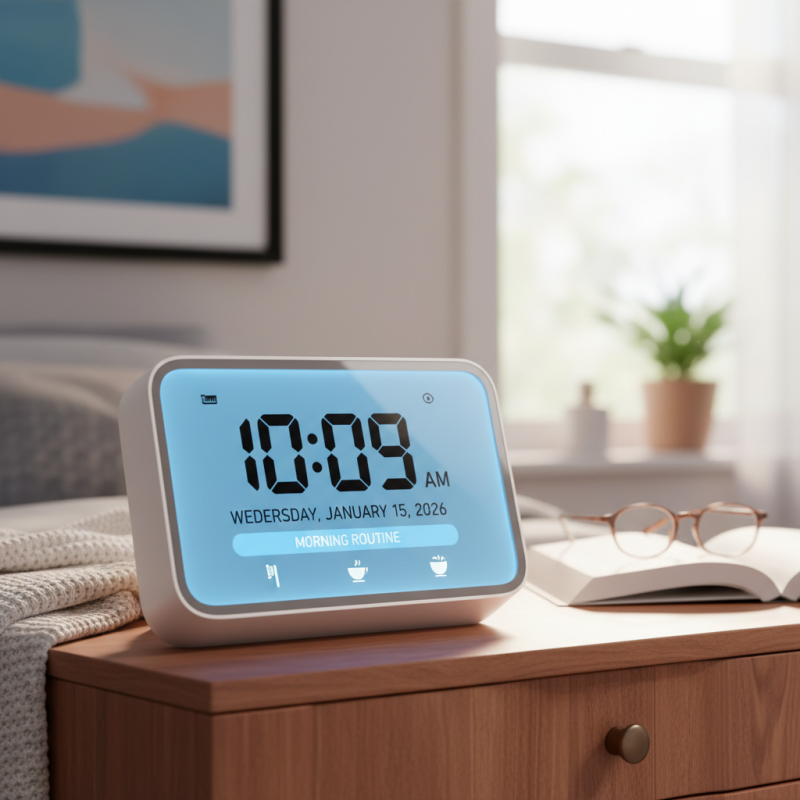
These specialized clocks feature large displays and simple designs. They help individuals stay oriented in time. Many clocks include day and date indicators, which are vital for those struggling with memory. Choosing the right clock requires understanding specific needs.
Challenges remain in the Dementia Clock market. Some products may lack essential features. Others may be too complicated for users. It's crucial for caregivers and families to critically evaluate options. The right Dementia Clock can be a lifeline, offering support and enhancing quality of life for those affected.
Understanding Dementia and Its Impact on Time Perception
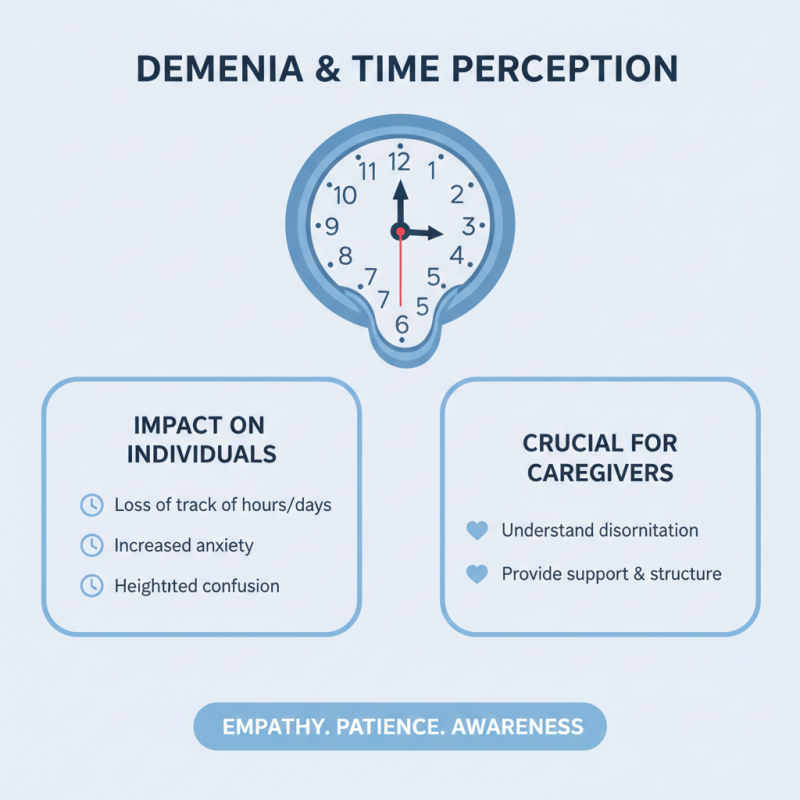
Dementia affects how individuals perceive time. Many people with this condition lose track of hours or even days. This disorientation can lead to increased anxiety and confusion. Understanding its impact is crucial for caregivers and family members.
Time perception changes due to memory loss. Daily routines may blur for those with dementia. They might forget when to eat or take medications. Support systems become vital in maintaining structure.
**Tips:** Use clear visual aids. Wall clocks with large numbers help individuals. Color-coding schedules can also provide cues. Encourage the use of routine. Timers and alarms can prompt actions at key times.
Many caregivers feel overwhelmed. It’s okay to seek help. Talk about your experiences with others. Sharing strategies can provide relief and new ideas. Adjusting expectations is also important. Perceptions may not improve overnight, and that’s okay.
Features to Look for in a Dementia-Friendly Clock
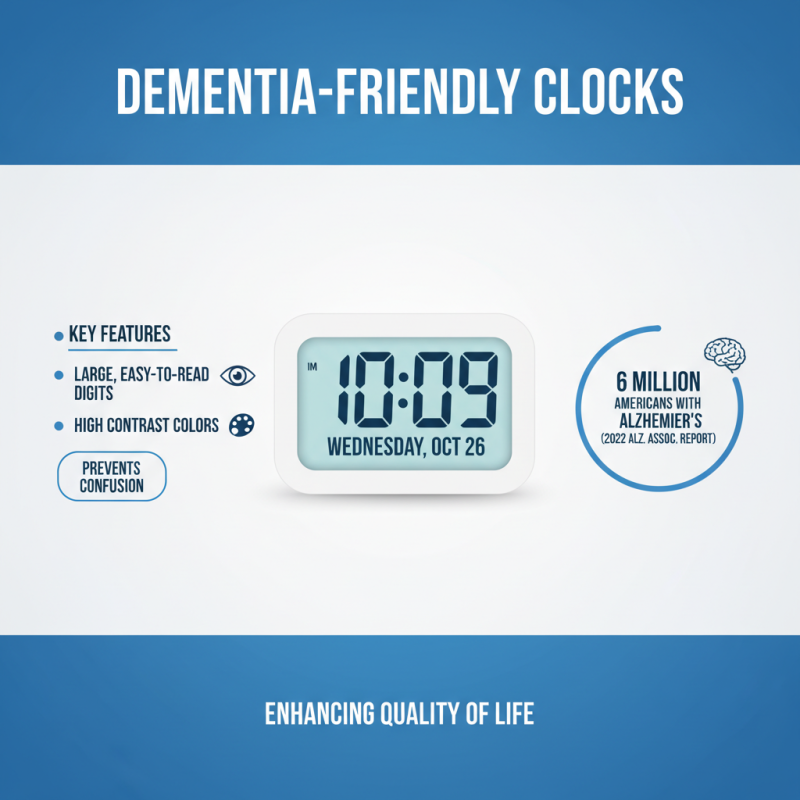
When selecting a dementia-friendly clock, various features can enhance the quality of life for individuals living with dementia. According to a 2022 report by the Alzheimer’s Association, nearly 6 million Americans are living with Alzheimer’s disease. Therefore, the importance of accessible tools is significant. Look for clocks with large, easy-to-read digits. This simple design helps prevent confusion over time. A contrast in colors between the background and numbers also aids visibility.
Another important feature is the inclusion of date and day indicators. Many people with dementia struggle with time orientation. A clock that displays not only the hour but also the day of the week and month can be incredibly beneficial. Some clocks even feature visual cues like icons. These cues indicate morning, afternoon, and evening. Such designs are proven to simplify daily routines.
**Tips:** Choose a clock with clear settings. This allows caregivers to adjust features without difficulty. It can be frustrating when technology is complex. Ensure the clock has a backup power source. A power outage shouldn't disrupt the daily routine. Lastly, consider clocks with alarms or reminders for medications. Many users report a sense of independence with these alerts. Having the right clock can make a meaningful difference in daily life.
Popular Dementia Clock Options Available in 2026
As we look forward to 2026, the demand for dementia clocks is expected to rise. Many families seek tools to assist loved ones with cognitive impairments. Reports indicate that around 55 million people worldwide live with dementia. This number is projected to grow significantly, highlighting the need for effective support solutions.
Dementia clocks come in various designs, specifically tailored to meet unique needs. Some display large, clear digits. They indicate the time, date, and day of the week. Others include reminders for medications and appointments. These features help ease confusion. A study published by the Journal of Geriatric Psychiatry finds that such tools can improve a patient’s quality of life.
However, not all models cater to individual preferences. Some users report frustration over complex settings or unclear displays. The ideal dementia clock should be simple yet functional. It is essential to consider usability to avoid added stress. Balancing technology with user-friendliness remains a challenge for manufacturers facing evolving consumer needs in the dementia care segment.
Best Dementia Clock Options for 2026 What to Know?
| Feature |
Option 1 |
Option 2 |
Option 3 |
| Display Type |
Digital |
Analog |
Hybrid (Digital & Analog) |
| Special Features |
Voice Alerts |
Date & Day Display |
Multiple Alarm Settings |
| Light Sensitivity |
Yes |
No |
Yes |
| Voice Recognition |
No |
No |
Yes |
| Power Source |
Battery |
AC Adapter |
Battery & AC Adapter |
Comparative Analysis: Traditional vs. Digital Dementia Clocks
When considering dementia clocks, two main types emerge: traditional and digital. Traditional clocks often display simple analog faces. They feature large, clear numbers and hands. This design can aid recognition of time. Research shows that 60% of individuals with dementia respond better to analog displays. Nostalgia plays a key role here. Familiarity can evoke memories and reduce anxiety.
Digital clocks, on the other hand, present time in numbers. They often include features like date and AM/PM indicators. While some users appreciate the clarity of digital readouts, others may find them overwhelming. A study found that 45% of seniors preferred the straightforward nature of digital clocks, yet a significant number had difficulties with the constant scrolling of information.
Ultimately, the choice between traditional and digital clocks should reflect the user’s needs. Not all users respond the same way. Some may require more assistance in understanding time concepts. Others may simply need a comforting reminder of the day and time. Each option presents unique advantages and challenges, underscoring the importance of personal preference. Caregivers should observe how individuals interact with these clocks. Observing user engagement can guide better choices in the future.
User Reviews and Recommendations for Dementia Clocks
When choosing a dementia clock, user reviews are invaluable. Many caregivers emphasize clarity. A large display that shows time and date can reduce confusion. Research suggests that 70% of dementia patients benefit from easy-to-read clocks. This simple feature enhances independence and reduces anxiety.
Caregivers appreciate additional functions like alarms. Some clocks offer reminders for medication or appointments. A study by the Alzheimer’s Association states that scheduled reminders can improve adherence to treatment. However, not all clocks meet these needs, leading to frustration. Ensuring the clock fits specific requirements is crucial.
Many users also highlight the importance of design. Aesthetic appeal can engage users. Some prefer a minimalist style, while others like bold colors. The emotional response to a clock is often overlooked. A clock that resonates can make a difference. Caregivers should remember that every detail counts.
Best Dementia Clock Options for 2026 - User Reviews and Recommendations