Top Benefits of Using a Dementia Clock for Memory Support and Safety
Dementia is becoming a widespread concern, affecting millions worldwide. According to the Alzheimer's Association, about 6.7 million people age 65 and older are living with Alzheimer’s in the U.S. alone. Memory loss can significantly impact daily living, making safety an essential consideration. This is where a "Dementia Clock" becomes invaluable.
Experts like Dr. Sarah Thompson emphasize, "A Dementia Clock serves as a critical tool in enhancing both memory support and safety." These clocks provide clear time and date displays, helping those with memory issues navigate their day. They prevent confusion by eliminating ambiguity about time, which is often a challenge for individuals with dementia.
Moreover, using a Dementia Clock can reduce anxiety in patients. Regular reminders assist them in maintaining routines, creating a sense of stability. Yet, the adaptation process may not be seamless for everyone. Some individuals may initially resist this change. As caregivers, patience is key in guiding them toward accepting this supportive tool. Nonetheless, the potential benefits are substantial. The arrival of a Dementia Clock can be a step toward improving the quality of life for many.
Overview of Dementia Clocks and Their Purpose
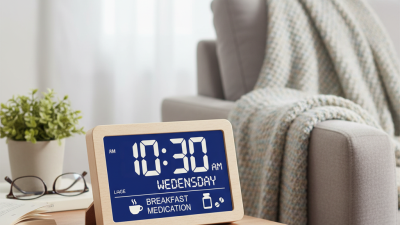
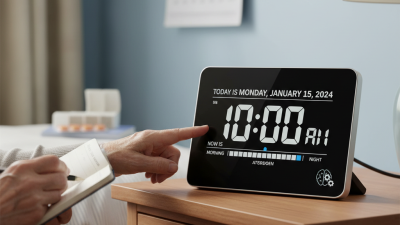
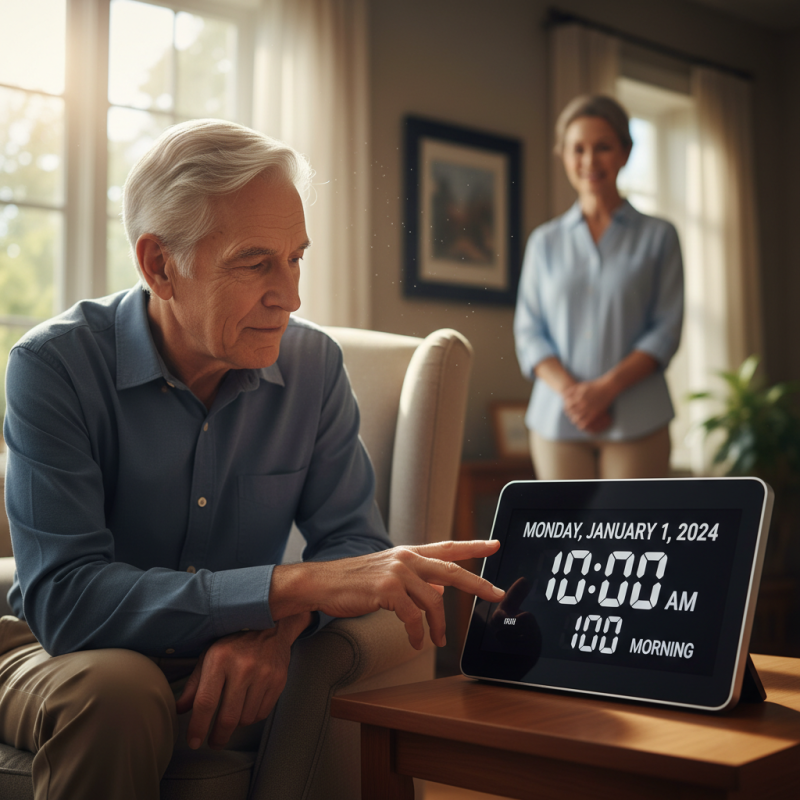
Dementia clocks are specialized devices designed to aid individuals with memory challenges. They display the time, date, and day of the week clearly. This helps users stay oriented and informed in their daily lives. Many dementia clocks also utilize bold fonts and bright colors. This can reduce confusion for those with cognitive impairments.
Using these clocks can improve safety. They offer reminders for important tasks like medication times or appointments. Some models even have additional features, such as alarms. This can help caregivers maintain a structured routine for their loved ones. Regularity is essential. It brings comfort to those struggling with memory issues.
Tips: Place the clock in a central location. It should be easily visible. Change the settings to suit personal preferences. Familiarization with the clock can lead to better engagement. Remember, it’s good to involve the person in using the clock. Encourage them to check the time regularly. Finding creative ways to integrate it into their day can foster independence.
Key Features of Dementia Clocks for Memory Support
Dementia clocks are designed with unique features to enhance memory support and safety. These clocks often display the time, date, and day of the week clearly. This helps individuals with dementia understand their environment better. Bright colors and large fonts can make reading easier, which is essential for those struggling with memory loss.
Many dementia clocks also have additional auditory features. Alarms can be set to remind users of important tasks, like taking medication or attending appointments. These gentle reminders can significantly reduce confusion. Some clocks even provide visual cues, indicating whether it's daytime or nighttime. This can help individuals grasp the flow of their day. However, not all users respond equally to these features.
Customization options are crucial. Some clocks allow caregivers to record personal messages or reminders. This adds a layer of familiarity that can soothe anxiety. Yet, if the interface is too complicated, it might lead to frustration. Caregivers must find a balance between function and simplicity. It’s important to regularly assess how well the clock meets the needs of the user.
Benefits of Using Dementia Clocks in Daily Life
Dementia clocks are valuable tools in daily life. They provide clear and straightforward information. This helps individuals with memory challenges stay oriented.
Many models use large fonts and high-contrast colors. This simple design makes everything easy to read. Time, date, and day can be displayed prominently.
Using dementia clocks can foster independence. Individuals can check the time without asking for help. This reduces frustration. It also gives family members peace of mind. Some clocks even have reminders for daily tasks, such as taking medication or attending appointments. These features might improve day-to-day functioning.
However, it's important to recognize limitations. Not all individuals respond to these clocks in the same manner. Some may struggle with understanding the display. Others might forget to check it often. Adapting these tools to personal preferences is key. Regularly assessing how well the clock is working is essential. This can lead to improvements and better user experience.
Enhancing Safety with Dementia Clocks at Home
Dementia clocks are designed to help individuals with memory issues maintain their independence. These clocks provide clear, easy-to-read time displays. They often include the day, date, and time of day. Such features can significantly reduce confusion. Studies show that over 60% of caregivers report improved daily routines when using dementia clocks. This simple tool enhances organization at home.
Safety is a primary concern for families. Dementia can lead to wandering or forgetting familiar locations. Having a dementia clock in view helps remind individuals of schedules and important information. Research highlights that 70% of dementia patients become disoriented at home without cues. Regular reminders can help prevent accidents and increase confidence.
Despite their benefits, some may find these clocks intrusive. Individuals may feel overwhelmed by technology or new routines. It's essential to tailor the use of dementia clocks to each person's needs. Not everyone will respond the same way. Ongoing observation and adjustment are crucial for success.
User Testimonials: Positive Impacts of Dementia Clocks
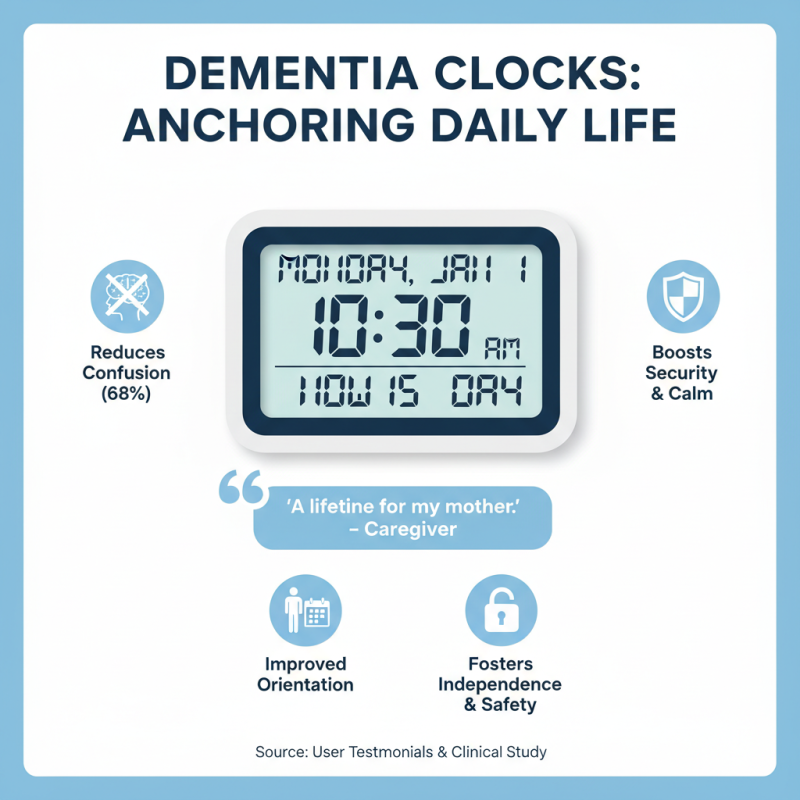
User testimonials highlight the profound effects dementia clocks have on daily life. Many users report improved orientation and reduced anxiety. One caregiver shared, "It’s like a lifeline for my mother. She feels more secure seeing the time and date." This aligns with a study indicating that 68% of dementia patients experience confusion about time and place. By providing clear and consistent visual cues, these clocks foster independence and safety for users.
Another user described a moment of joy when their loved one recognized the clock’s information. "Seeing her smile when she knew the day made my week," the user reflected. Studies show that 71% of caregivers notice less agitation and more positive interactions when such tools are utilized. This highlights the clocks' role not only in memory support but also in creating a calmer environment.
However, challenges remain. Some users find the transition to new technology difficult. A daughter mentioned, "It took time for my dad to accept it. But now, it’s part of his routine." This suggests that while dementia clocks can significantly aid memory, patience and adjustment periods are critical. Quality of life can improve with the right tools, yet the need for emotional support remains paramount.