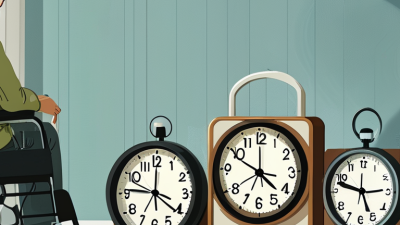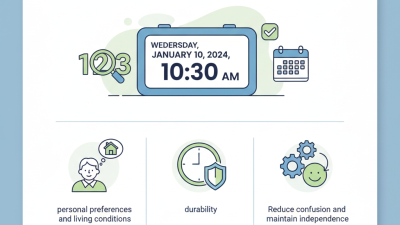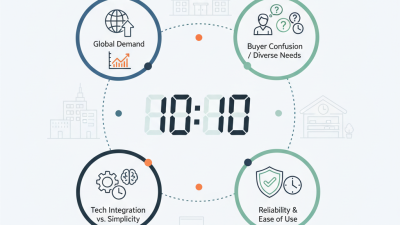
Choosing an Alzheimer Clock can make daily dementia care calmer, clearer, and more predictable. For someone who forgets whether it is morning or evening, a large display showing the day, date, and time can reduce repeated questions. It may also support medication routines, meals, appointments, and rest periods. Small details matter. A bright screen can help in a dim bedroom. Simple controls can prevent accidental changes. A quiet design may reduce nighttime disturbance.
Dementia-care educator Teepa Snow captures this principle clearly: “The environment can support the person, or it can disable the person.” An Alzheimer Clock does not treat Alzheimer’s disease. It cannot replace human reassurance, clinical guidance, or personalized care. It is a practical support tool, not a miracle device. Still, it can give families a useful visual cue when memory and time perception become difficult.
Caregivers should consider more than appearance. Check screen contrast, viewing distance, power reliability, alarm settings, and placement. Put the clock where the person naturally looks, such as beside a favorite chair or across from the bed. Avoid unnecessary symbols and complicated menus. Some users may prefer familiar analog hands, while others understand digital words more easily.
The choice is not always obvious. A clock that helps one person may frustrate another. Testing it during ordinary routines is wise. Observe what changes. Listen to the person’s preferences. Good dementia care respects independence, even when the device seems simple. An Alzheimer Clock works best when it fits the individual, the room, and the caregiving plan.
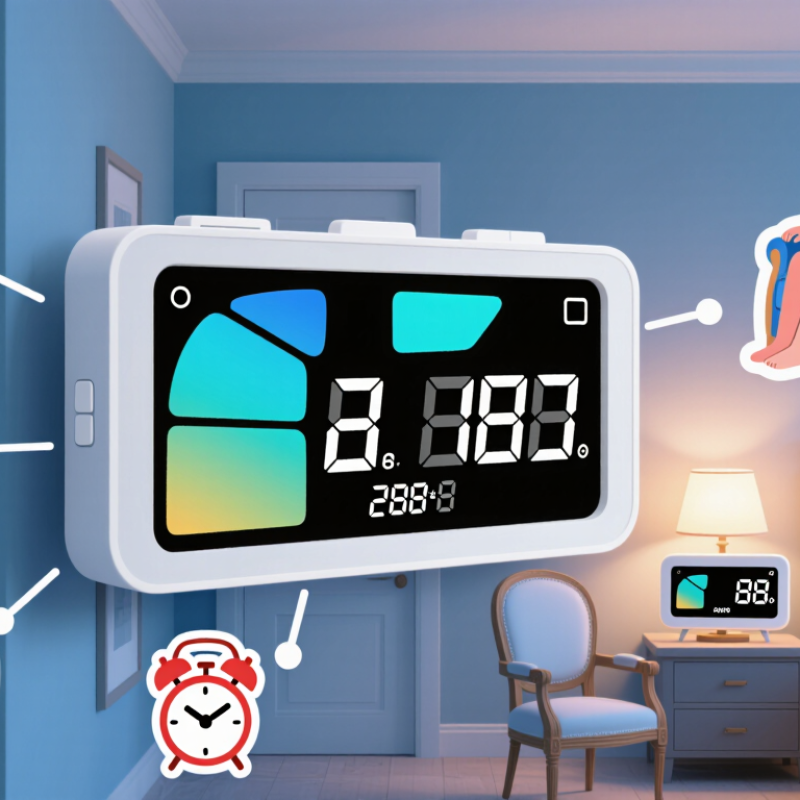
An Alzheimer clock is a clear digital clock designed to support people living with dementia. It usually shows the time, full day, date, month, and year in large, readable text. Some models also identify morning, afternoon, evening, or night. This extra information can reduce confusion when a person wakes at 3 a.m. and believes it is daytime.
Unlike an ordinary clock, it provides context at a glance. A caregiver might place it beside the bed, near the kitchen, or across from a favorite chair. In daily care, I have found that consistent placement matters as much as screen size. The clock may support routines, but it cannot replace conversation, supervision, or professional advice. Its usefulness can also change as dementia progresses. I sometimes expect too much from technology, which is a mistake worth noticing.
Tips: Choose a high-contrast display with simple wording. Check that the date and time remain accurate after power interruptions. Avoid placing the clock beside bright windows or noisy appliances. Invite the person to read it aloud during familiar routines, such as breakfast or preparing for bed. Watch for frustration, because even helpful information can feel overwhelming. Ask an occupational therapist or healthcare professional whether the clock suits the person’s vision, hearing, and stage of dementia.
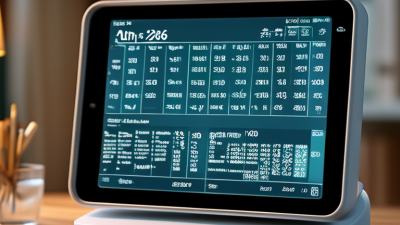
An Alzheimer clock can make daily orientation more visible for a person living with dementia. It shows the time, weekday, date, and sometimes the part of the day in plain language. This matters when “Tuesday morning” feels uncertain. The World Health Organization reports that more than 55 million people live with dementia worldwide, with nearly 10 million new cases each year. Clear environmental cues can support familiar routines, especially during waking, meals, medication reminders, and bedtime.
Caregivers often notice small changes first. A resident may stand near the kitchen at 3 a.m., expecting breakfast. A large day-and-night display may gently reduce that confusion. The 2024 Alzheimer’s Association Facts and Figures report estimates that over 11 million people in the United States provide unpaid dementia care. A readable clock cannot replace human reassurance, but it can reduce repeated explanations and support calmer conversations. Keep it visible. Use consistent placement.
It will not work perfectly. Some people may ignore it, misread it, or become frustrated by unfamiliar symbols. Care teams should observe responses and adjust the display, lighting, or nearby routine. Orientation should never become a test. A calm voice still matters most. For reliable care, clinicians and family members should consider vision, language, sleep patterns, and the person’s previous habits before introducing any clock.
A practical overview of how dementia-friendly clocks can reinforce time awareness, daily routines, and caregiver communication.
| Orientation Dimension | Relevant Information | How a Dementia-Friendly Clock Can Help | Care Consideration |
|---|---|---|---|
| Current time | Clock reading may become difficult when memory, attention, or visual processing is affected. | A large, uncluttered display can make the current time easier to identify at a glance. | Use clear numerals and avoid unnecessary decorative elements that may reduce readability. |
| Day and date | People living with dementia may lose track of the day, date, or sequence of events. | Displaying the weekday and full date provides repeated visual orientation cues. | Check the date regularly, especially after power interruptions or seasonal clock changes. |
| Time of day | Confusion between morning, afternoon, evening, and night can affect routines and sleep patterns. | A display that clearly labels the period of the day can supplement the numerical time. | Use the clock alongside consistent lighting, meals, and activity schedules. |
| Daily routine | Familiar routines can reduce uncertainty and make everyday activities more predictable. | The clock can act as a visual reference when discussing meals, medication times, appointments, or activities. | A clock should support—not replace—personal reminders, care plans, or medication supervision. |
| Communication with caregivers | Shared time references can make conversations about upcoming events easier to understand. | Caregivers can point to the display when explaining what is happening now and what will happen next. | Use simple, consistent language such as “breakfast at 8:00 in the morning.” |
| Visibility and contrast | Age-related vision changes and dementia-related visual difficulties may make small or low-contrast text harder to read. | Large characters, strong contrast, even lighting, and a suitable viewing angle improve practical readability. | Position the clock where it can be seen without glare, obstruction, or excessive distance. |
| Night-time orientation | Waking in the night may lead to uncertainty about the time and whether it is appropriate to begin an activity. | A dimmable display can provide a low-level reference without creating unnecessary brightness. | Avoid bright light that could disturb sleep; individual sensitivity should guide the setting. |
| Independence and reassurance | Accessible environmental cues may help a person check basic information without repeatedly asking others. | A familiar clock can offer a consistent point of reference in the home. | Responses vary by person; introduce the clock gradually and observe whether it is reassuring or confusing. |
| Accuracy and reliability | An incorrect time or date can increase confusion rather than improve orientation. | Automatic time adjustment, backup power, and simple controls can help maintain accurate information. | Review settings after outages, travel, battery changes, or daylight-saving-time transitions. |
Note: An Alzheimer clock is an orientation aid, not a treatment for dementia. Its usefulness depends on the person’s vision, cognitive abilities, routines, environment, and caregiver support.
An Alzheimer clock can support familiar routines when ordinary clocks become confusing. In dementia care, occupational therapists often value clear visual cues over decorative design. A large display should show the full day, date, and time without abbreviations. “Tuesday morning” is easier to understand than “Tue, 9:00 AM.” High contrast also helps people with reduced vision.
Useful clocks include automatic day and night brightness settings. A softer display can reduce glare beside the bed. A gentle alarm may remind someone about breakfast, medication, or an appointment. Some models allow several daily reminders, while others provide only basic alerts. Simple controls matter. Caregivers should be able to change settings without reading a long manual. The best design may include a covered adjustment panel.
Placement affects performance. Put the clock near the usual chair, not behind a lamp or television. Keep the displayed time consistent with household routines. A backup battery can preserve settings during a power cut. This detail is easy to overlook.
Still, no clock works perfectly for every person. Some users may mistake an alarm for an emergency or ignore it completely. Test the display for several days and observe actual reactions. Avoid relying on the clock alone for medication safety. A caregiver should confirm important tasks, especially when memory loss changes from morning to evening. The clock is a prompt, not a replacement for patient support.
Dementia care often becomes difficult when a person loses track of time, day, or routine. The World Health Organization reported about 55 million people living with dementia worldwide in 2019. It projects this number may reach 139 million by 2050. The scale makes simple environmental support worth considering.
Choose a clock based on the person’s abilities, not appearance. A large digital display can reduce reading effort. Select clear numbers, strong contrast, and an uncluttered face. Show the day, date, and time together when possible. A 12-hour or 24-hour format should match the person’s lifelong habit. Keep it visible from the bed, favourite chair, or dining table. Night visibility matters. Avoid harsh glare.
Check how the clock behaves during confusion. Automatic time changes may create mistakes. A loud alarm can frighten someone or disturb sleep. Silent reminders may work better for medication or meals, but they require testing. The Alzheimer’s Association’s 2024 Facts and Figures report estimates that 6.9 million Americans aged 65 and older live with Alzheimer’s dementia. Individual needs still vary widely. A clock cannot replace supervision, clinical advice, or human reassurance. I have seen practical choices fail when families buy attractive displays that are too small. Ask an occupational therapist to assess vision, hearing, routines, and room placement. Review the choice after several days. The person’s response is stronger evidence than the product description.
A dementia-focused clock can combine clear time display with day, date, and time-of-day information. This comparison shows which information is typically available in common clock formats, helping caregivers choose a clock that supports orientation and daily routines.
Reading guide: 1 means the format commonly provides the information directly; 0 means it is not normally provided without an additional device or feature. Actual features vary by model. A suitable dementia-care clock should also have large high-contrast text, simple controls, and a display that is easy to read from a distance.
An Alzheimer clock can support safer daily routines for people with memory loss. It clearly shows the day, date, and time of day. This visual structure may reduce repeated questions and confusion about morning or evening. Place it where the person naturally looks, such as beside a favorite chair or near the kitchen. Keep the display bright, but avoid harsh glare.
Safe use requires regular checking. Set the clock during a calm moment, then confirm its accuracy each week. Some models use spoken reminders for meals, medication, or appointments. These reminders should support a care plan, not replace supervision or professional advice. Test the volume from another room. A message that sounds helpful nearby may become startling at night.
Keep instructions simple. Use familiar words and avoid crowded screens. Link the clock with visible routines, such as a breakfast tray or a coat by the door. Privacy matters too, especially when recording personal reminders. Ask the person what feels reassuring, rather than assuming every feature will help. Sometimes, more information creates more anxiety. That is worth noticing. Consult a healthcare professional if confusion suddenly worsens, because an abrupt change may have another medical cause. Caregivers should also review whether the clock still matches changing needs, since a device that worked last month may now require fewer alerts or a clearer display.